Results may vary depending on your particular facts and legal circumstances. The attorney featured above is licensed in Florida. For a full list of attorneys in your state please visit our attorney page.
NURSING HOME ABUSE LAWYER IN FLORIDA
When Florida nursing home staff members physically abuse, emotionally mistreat, or neglect residents in their care, legal accountability is appropriate and necessary. Morgan & Morgan takes these cases seriously.
Results may vary depending on your particular facts and legal circumstances. The attorney featured above is licensed in Florida. For a full list of attorneys in your state please visit our attorney page.














How to Report a Nursing Home in Florida
Nursing home abuse or neglect can come in many forms, which can include physical and emotional harm to elderly residents in long-term care facilities. It can also include sexual abuse and financial exploitation. When families put their trust in nursing homes to care for their family members, there is an expectation that their environment will be safe and their needs will be looked after. Recently, we’ve seen and heard a lot of horror stories about facilities and people that cause harm to their residents, which erodes our trust.
The culprits at the core of recent nursing home abuse discoveries are typically staff-related. The people we rely on to provide care for our loved ones should not be causing harm to those very individuals. Another factor in nursing home abuse is greedy corporations that put their profits above people. They may have poor hiring and training practices or cut corners to save a dime instead of providing residents with premium care.
Florida currently has 70,149 people in nursing home facilities. In the past decade, the number of older U.S. citizens has grown by over a third. With the increase of more senior citizens entering nursing homes, the number of abuse claims has also risen. Current research reveals that one in ten older adults have been abused. Still, the number doesn’t reflect abuse cases that go unreported. If you live in Florida and suspect your loved one has been the victim of abuse, you’re likely interested in how to report a nursing home in FL.
- 700,000+ clients Chose Morgan & Morgan Nationwide.
- $0 upfront Only pay if we win.
- Available 24/7 Get help anytime.
Nursing Home Abuse Cases in Florida Need Three Things
The Facility Was Responsible for Your Loved One’s Care
The Facility or Caregiver Failed in That Duty
Your Loved One Suffered Harm
Talk to Our Team at No Cost
150,000+ Five Star Reviews
The reasons why clients trust Morgan & Morgan.



Results may vary depending on your particular facts and legal circumstances. Based on select nationwide reviews.
What agency oversees nursing home complaints in Florida?
The Florida Agency for Health Care Administration has a Complaint Administration Unit that receives and processes complaints about the quality of care in FL nursing homes. For complaints against state-licensed nursing homes, you can contact them at 1-888-419-3456 or use the Licensed Health Care Facility Complaint Form. When contacting them, be prepared to share all details, including the name of the care providers, dates of when the abuse occurred, and specifics of the alleged abuse.
To report an unlicensed nursing home facility, you can call in a complaint at 1-888-419-3456 or submit an Unlicensed Health Care Facility Complaint Form.
Additionally, you can report nursing home abuse or neglect to the Florida Department of Health and Adult Protective Services at 1-800-962-2873 or online at: ReportAbuse.dcf.state.fl.us. All of the above resources are confidential.
However, these administrations will not be able to help you in a civil matter should you want to recover medical costs, therapy expenses, and damages for pain and suffering or wrongful death. Our FL nursing home abuse lawyers can assist you in this process. If you contact us right away, we can also speed up the complaint proceedings and guide you every step of the way.
What are the definitions of elder abuse?
Elder abuse: Any knowing intentional act that causes harm or risk to adults aged 60 or older by a person in a trust relationship such as a caregiver in a nursing home.
Physical abuse: Use of physical force against an older adult, including inappropriate restraint, bodily harm or injury, or causing pain. Some examples are hitting, slapping, striking, pushing, and shoving.
Psychological abuse: Use of verbal or nonverbal acts against an older adult that causes mental pain or distress such as yelling, threats, humiliation, and intimidation.
Sexual abuse: Non-consensual sexual acts with an older adult or sexual acts with an older person who cannot give consent.
Financial exploitation: Inappropriate or illegal use of an older adult’s funds, property, or assets. An example would be a nursing home aide coercively forcing someone in their care to write checks made out to the aide.
Caregiver neglect: Failure to properly care for an older adult in the caregiver’s charge, such as not providing sufficient food and water or failure to provide a sanitary environment to the older adult.
Abandonment: Desertion of an older adult who is the responsibility of the caregiver.
Can a nursing home in Florida evict a resident?
Having a family member suddenly evicted from a nursing home can be shocking and overwhelming, especially if your loved one requires more care than you’re able to give. There are many reasons why a nursing home may discharge a senior citizen. Some are legitimate such as if the facility cannot provide the level of care the patient needs or the facility is closing. Other reasons are not legitimate and may even be illegal.
It’s appalling, but some nursing homes favor residents that use Medicare over Medicaid because Medicare pays far higher than Medicaid but only for a short time. Once the timeframe for the higher payment expires, residents receive their eviction notice. Because profit over people is more important, the nursing homes may discriminate against patients that will be using Medicaid to pay for their caregiving. This kind of discrimination is illegal.
Nursing homes have a duty to follow protocols when discharging patients to ensure the patient’s safety and make arrangements for ensuing care. This is called nursing home discharge planning and notification which is as follows:
- The resident and authorized representative must be notified of pending discharge in writing with at least 30 days’ notice. The notice of discharge must include the reasons for the discharge and the steps taken by the facility to resolve or address the reasons listed. Emergency situations are the only exception to this rule.
- The facility has to prepare a summary of the discharged patient’s physical and mental status.
- An exhaustive post-discharge plan of care must be given to an authorized patient representative, which outlines alternative arrangements for care and housing. The plan must outline instructions for future caregivers and doctors for follow-up care. The written discharge plan also needs to include the location to which the patient will be discharged. That location must also agree to admission. Furthermore, the plan must include all information on medications, services, therapies, and other care needed by the patient.
- The patient and their authorized representative have a right to participate in all aspects of this procedure.
- The facility is required to arrange a secure and orderly transfer of the patient’s funds and personal assets.
Suppose the care facility did not follow these protocols when they discharged your loved one. In that case, there might be legal recourse that can be taken, including Florida State disciplinary action against the caregivers and awards for financial compensation. Most people don’t even understand they have rights in these situations. Our Florida elder law attorneys can give you further valuable information on how to proceed with a lawsuit.
What are indicators of elder abuse?
It’s critical to spot indicators of elder abuse. Often, you may have an indication of abuse because your loved one starts to exhibit changes in their behavior. The following signals may help identify different types of nursing home abuse.
Physical abuse: Bruising in clusters on the body or bruising in irregular parts of the body such as the back or neck could point to physical abuse. Laboratory testing for lack of medication or medication that is not prescribed can reveal physical abuse. Changes in behavior such as fear, avoidance, nervousness, and anxiety could be an alert to physical abuse.
Psychological abuse: Indicators of psychological abuse include fear, depression, confusion, and changes in self-esteem or confidence. Emerging thoughts of suicide could also indicate your loved one is experiencing psychological abuse.
Sexual abuse: Here again, changes in behavior such as showing signs of fear, depression, and isolation, could indicate sexual abuse is occurring. Any signs of bruising, infection, bleeding, pain, or swelling in the genital region are all signs of sexual abuse.
Financial exploitation: Sudden changes in spending or banking habits are a typical sign of financial exploitation. Lack of common necessities, transfers, newly authorized account users, or changes in wills or title documents points to financial exploitation. Furthermore, behavior changes like not wanting to discuss financial matters or no memory of financial transactions can indicate a financial abuser is at work in your loved one’s life.
Caregiver neglect: Bedsores, dirty hair and clothing, dehydration, malnutrition, unattended health problems, lack of wheelchairs or walkers are all signs of caregiver neglect.
What are some nursing home abuse statistics?
A U.S.-based study on nursing home abuse revealed that between 74% to 87% of nursing home residents had experienced abuse or neglect in 2019. The study was imperfect because the number of respondents to the questionnaire was low, which could mean the percentages overestimate or underestimate the actual number.
Another Michigan study showed that out of 452 adults with loved one’s in nursing homes, 24.3% of the respondents reported physical abuse of their family members.
Yet another study of caregivers that depended on self-reported perpetration of abuse revealed 40% admitted to psychologically abusing residents in the past year. A further 10% admitted to physically abusing residents in the past year.
Specifically, psychological abuse, financial abuse, and neglect are the most common forms of self-reported nursing home abuse in the U.S.
How can a lawyer help me after reporting a nursing home in FL?
Learning how to report a nursing home in FL is just part of the process. As a family member, you must be seething with anger and not only want the perpetrators of abuse held accountable, but you also want compensation for your loved one. And that is your right. We are here to help. The elder law lawyers at Morgan & Morgan are knowledgeable about Florida State laws and Federal laws that could apply to your case.
Our lawyers will work with you and your family to make sure the complaint process is accurately taken care of and come up with legal strategies to move forward with your nursing home abuse lawsuit. We work hard to preserve your rights and the dignity of your loved one. Nursing home neglect lawsuits usually average about $400,000, but we’ve also seen plenty of cases that win awards far greater. Our lawyers don’t back down until justice is served and wrongdoers pay for the harm they’ve caused.
We understand how nursing home abuse can tear family members apart emotionally. And our compassionate team is ready to help you gain compensation for medical costs, mental health treatment, and relocation. If we don’t win, you don’t pay. You’re not in this alone. Contact us today for a free and confidential case evaluation.
Our Results
How It Works
Unsure what to do next? With 35 years of experience, our personal
injury lawyers will guide you every step of the way.
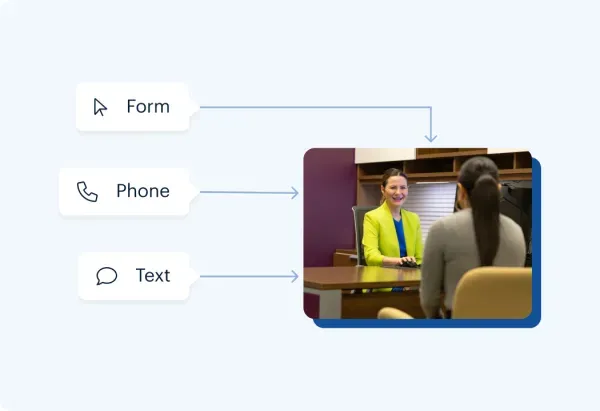
Contact Us 24/7 - It’s Free
Start your claim
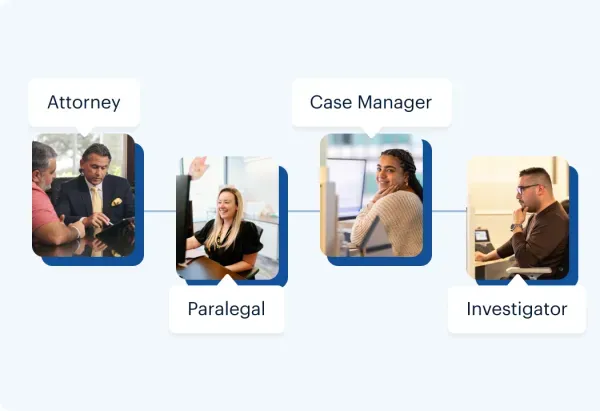
Meet your dedicated attorney
Meet the attorneys
We fight for more
Learn more about the case process
Results may vary depending on your particular facts and legal circumstances. The attorneys shown in these photos may not be licensed in your state. To find an attorney licensed in your area, please visit our attorney page.
Local Care
Backed by America’s Largest Injury Law Firm.
- $35 BillionRecovered for clients
nationwide - 700,000+Clients and families
served - 1,100+Attorneys across
the country - 1Click may change your life
We know your pain.
John Morgan’s brother Tim was injured as a teen. Their experience with a lawyer was a nightmare. John spent 35 years building a firm to do better for families like his. And yours.

The attorney featured above is licensed in Florida. For a full list of attorneys in your state please visit our attorney page.
Results may vary depending on your particular facts and legal circumstances.
In the Community
Discover the local Morgan & Morgan experience with news, events, and partnerships.
-

Morgan & Morgan Brings Four Maritime Trial Attorneys into its South Florida Practice
-
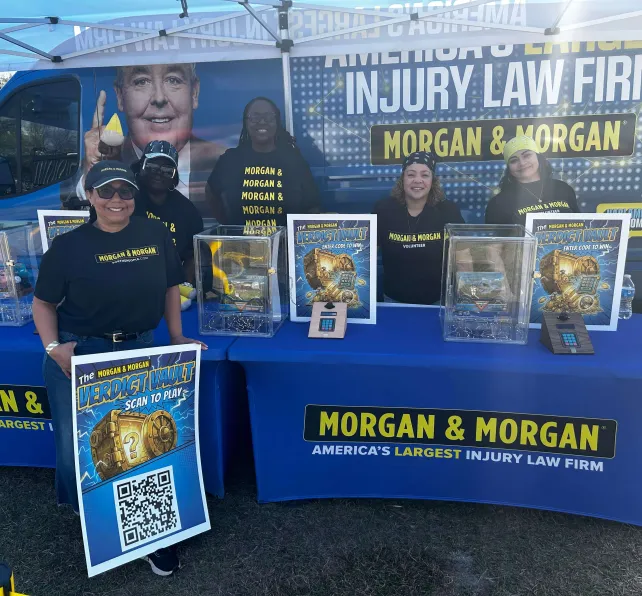
Revving Up the Crowd at Monster Jam Tampa: A Weekend of Fun at Raymond James Stadium
-

Morgan & Morgan Becomes the Official Personal Injury Law Firm Partner of the Tampa Bay Buccaneers
-
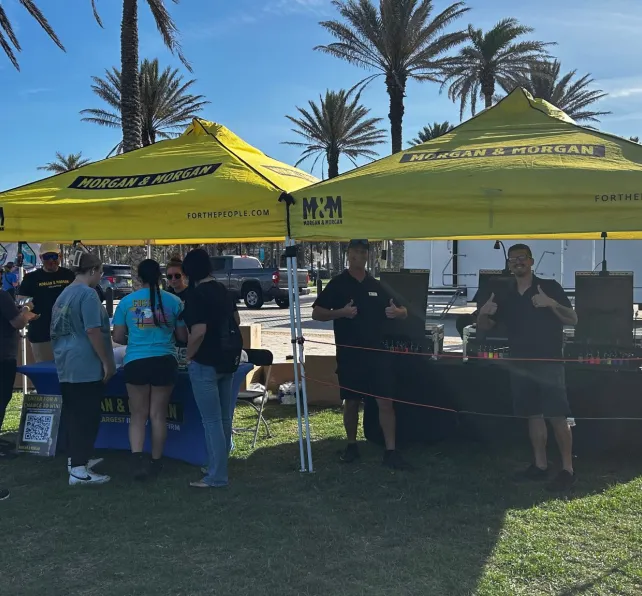
Walking for Wishes and Making Magic in Jacksonville
-

The 8 Most Common Causes of Florida Car Accidents
-

Can You Make a Right Turn on Red in Florida?
-
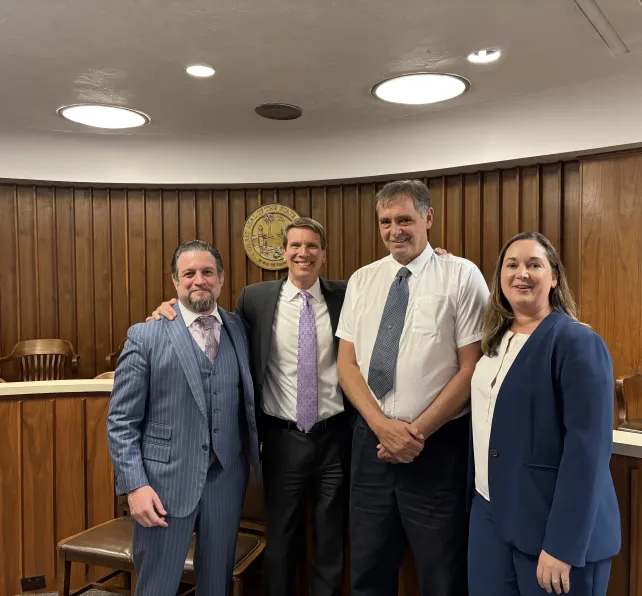
Marine Corps Veteran Awarded $10.7 Million Verdict for Motorcycle Crash Injuries
-
Walking for a Cause: 18th Annual Morgan & Morgan Walk for Wishes
-
Who Is Liable When a Tree Falls on a Neighbor’s Property in Florida?
-
Harvest Helpings Presented by Morgan & Morgan: A Thanksgiving Tradition in Jacksonville
-
Morgan & Morgan Jacksonville Teams Sort Over 8,900 Pounds of Food to Support Northeast Florida Community
-
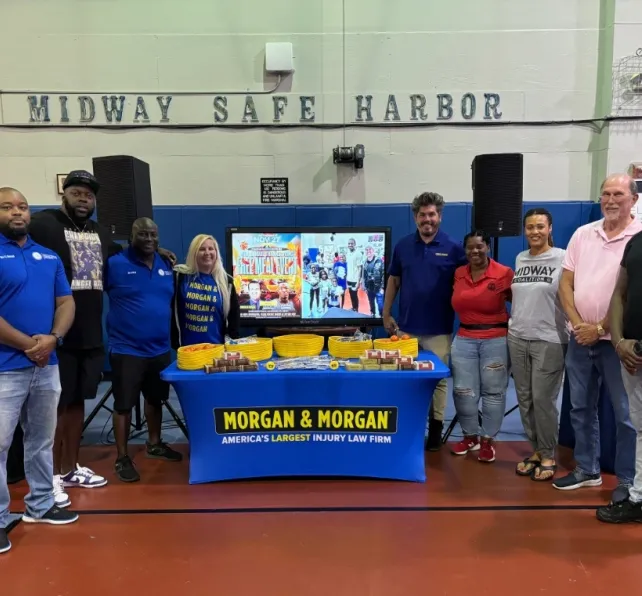
4th Annual Free Thanksgiving Meal Giveaway Brings Joy and Celebration to Sanford
-
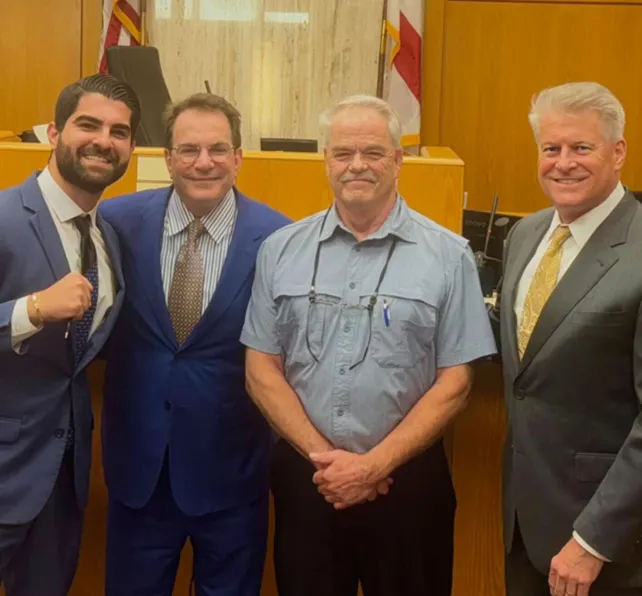
Morgan & Morgan Wins $5.8 Million Verdict for Polk County Man Injured in Crash
-

Protecting Your Property: Hurricane Lawyers in Florida
-

What City in Florida Has the Most Car Accidents?
-
Florida’s Statutes of Limitations: How Do They Affect Your Case?
-
Morgan & Morgan Fights for Marijuana Legalization in Florida
Learn More
Injured and not sure what to do next?
We'll guide you through everything you need to know.