Cases will be handled by attorneys licensed in the local jurisdiction. Cases may be associated with, or referred to, other law firms as co-counsel or referral counsel. Results may vary depending on your particular facts and legal circumstances. The attorney featured above is licensed in Florida. For a full list of attorneys in your state, please visit our attorney page.
BURN INJURY CLAIM IN OREGON
Industrial accidents, house fires, and chemical spills across Oregon inflict burn injuries that demand months or years of specialized treatment. Filing a burn injury claim requires documenting the negligence and the cost of recovery. Morgan & Morgan can help.
Cases will be handled by attorneys licensed in the local jurisdiction. Cases may be associated with, or referred to, other law firms as co-counsel or referral counsel. Results may vary depending on your particular facts and legal circumstances. The attorney featured above is licensed in Florida. For a full list of attorneys in your state, please visit our attorney page.

Injured in Oregon? Know your rights.
Burn injuries can be extremely painful and debilitating. They often require extensive medical treatment and can lead to scarring and disfigurement. If you or someone you love has been injured in a fire or burn accident, you may be entitled to compensation. The experienced Morgan & Morgan fire and burn injury lawyers licensed in Oregon can help you pursue the compensation you deserve. We understand the physical and emotional toll that these injuries can take on victims and their families. We will work tirelessly to secure justice so you can move forward with your life.
Contact Morgan & Morgan today to schedule a free consultation with one of our experienced fire and burn injury lawyers.
- 700,000+ clients Chose Morgan & Morgan Nationwide.
- $0 upfront Only pay if we win.
- Available 24/7 Get help anytime.
Burn Injury Cases in Oregon Need Three Things
Another Party Was Responsible
The Incident Caused a Burn Injury
You Suffered Losses
Talk to Our Team at No Cost
150,000+ Five Star Reviews
The reasons why clients trust Morgan & Morgan.






Results may vary depending on your particular facts and legal circumstances. Based on select nationwide reviews.
What should I do immediately after a burn injury in Oregon?
Taking appropriate steps after a burn injury can help protect your health, prevent further complications, and preserve important evidence if you decide to pursue a legal claim.
- Seek medical attention: Have your burn evaluated by a healthcare professional, even if it initially appears minor. Serious burns require immediate emergency medical care.
- Cool the affected area: For minor burns, gently cool the skin under cool running water to help reduce pain and limit further damage. Avoid applying ice directly to the burn.
- Document your injuries: Take photographs of the affected area and keep records of medical appointments, treatments, and how your injury progresses.
- Preserve relevant evidence: If a defective product, hazardous substance, or unsafe workplace condition contributed to your injury, retain any available evidence that may help establish what happened.
- Contact Morgan & Morgan: Our attorneys can investigate the circumstances, explain your legal options, and fight for the compensation you may be entitled to.
What types of compensation are typically available for burn injury cases in Oregon?
In burn injury cases, victims may be entitled to several types of compensation to help cover the financial, physical, and emotional toll of the injury. Below are the most common types of compensation available:
Medical Expenses
Compensation may be available for medical costs associated with treating and recovering from a burn injury, including:
- Emergency room treatment
- Hospital stays and related expenses
- Surgical procedures, including skin grafts and reconstructive surgery
- Ongoing care, such as physical therapy and pain management
- Prescription medications
- Medical supplies and assistive devices, including bandages and mobility aids
Lost Wages
Serious burn injuries can prevent individuals from working during recovery or affect their ability to earn income in the future. Depending on the circumstances, compensation may be available for:
- Lost income: Wages or earnings missed while recovering from the injury.
- Reduced earning capacity: Loss of future income if the injury causes a permanent disability or limits the ability to work.
- Lost employment benefits: The value of benefits affected by the injury, such as health insurance coverage or retirement contributions.
Pain and Suffering
Compensation for pain and suffering may be available to address the physical discomfort and emotional impact of a burn injury. Depending on the circumstances, these damages may include:
- Persistent physical pain and discomfort
- Emotional distress, anxiety, or depression associated with the injury
- Reduced quality of life, including difficulty participating in everyday activities, hobbies, or other previously enjoyed experiences
Scarring and Disfigurement
Burn injuries often lead to permanent scarring or disfigurement, which can have a significant impact on a person’s appearance and self-esteem. Compensation may be awarded to cover:
- The emotional and psychological effects of living with scars or disfigurement
- The cost of cosmetic procedures to reduce the appearance of scars (if available)
Rehabilitation and Therapy Costs
For severe burn injuries, extensive rehabilitation may be necessary to regain physical function, mobility, and independence. Compensation may cover:
- Physical therapy and occupational therapy costs
- Psychological counseling or therapy for emotional trauma (PTSD, depression)
- Long-term care if the victim is permanently disabled
Loss of Consortium
When a burn injury has a significant effect on a marriage, the injured person’s spouse may be entitled to compensation for the loss of companionship, affection, intimacy, and support, depending on the laws that apply.
Punitive Damages
Punitive damages may be available in certain cases involving particularly serious misconduct, such as gross negligence, intentional wrongdoing, or reckless disregard for others’ safety. Unlike compensatory damages, these awards are intended to punish the responsible party and discourage similar behavior in the future.
Property Damage
Fires and burn-related accidents can cause extensive property damage, including the destruction of personal belongings, vehicles, or homes. If another party’s negligence caused these losses, you may be eligible to seek compensation for damaged or destroyed property.
Documenting your losses can help support your claim. Create a detailed inventory of affected items and gather receipts, photographs, bank statements, or other records that establish their ownership and value. This evidence can help demonstrate the extent of your property damage and support your request for fair compensation.
Wrongful Death Damages
If a burn injury results in death, the family of the victim may be entitled to compensation for:
- Funeral and burial expenses
- Loss of financial support
- Loss of companionship and emotional support
- Loss of guidance and nurturing from the deceased
Emotional Distress
Burn injuries can cause significant emotional distress. Compensation can cover the psychological trauma experienced, including:
- Anxiety, depression, and PTSD
- Feelings of helplessness or fear
- Impact on personal relationships and social interactions
Burn injuries can have immediate and lasting effects on a person’s health, finances, and quality of life. Understanding the types of compensation that may be available is an important part of the recovery process. A burn injury attorney can review the details of your case, evaluate the immediate and long-term impact of your injuries, and fight for the compensation you may be entitled to.
How does a personal injury attorney prove negligence in a burn injury case?
Proving negligence in a burn injury case involves establishing that the responsible party failed to meet a duty of care, and that their failure directly caused the victim's injuries. Here’s a breakdown of the key elements involved in establishing negligence in an Oregon burn injury claim:
Establishing Duty of Care
The first step is to demonstrate that the defendant owed a duty of care to the victim. Duty of care refers to the responsibility one party has to avoid causing harm to another. In burn injury cases, this duty could be owed in various contexts, such as:
- Employers: Employers have a responsibility to provide reasonably safe working conditions and take appropriate precautions to protect employees from burn hazards, including exposure to flammable substances, defective electrical systems, and other workplace dangers.
- Manufacturers: Manufacturers are responsible for ensuring their products, including household appliances and other consumer goods, meet applicable safety standards and include appropriate warnings about potential hazards.
- Property owners: Property owners are expected to maintain reasonably safe premises by addressing potential fire hazards and providing appropriate safety measures, such as accessible emergency exits, warning signs, and other fire prevention precautions.
- Medical professionals: In healthcare settings, doctors and hospitals are expected to provide care that meets medical standards, which includes avoiding mistakes that could lead to burns or improper treatment of burns.
Demonstrating Breach of Duty
Once the duty of care is established, the next step is proving that the defendant breached that duty. This can be done by showing that the defendant acted negligently or recklessly, such as:
- Failure to maintain safety standards: A company may be negligent if it fails to properly inspect, repair, or maintain equipment, such as industrial machinery or electrical wiring, and those unsafe conditions contribute to a burn injury.
- Defective products: If the injury was caused by a defect in a product (e.g., a poorly designed or manufactured appliance), an attorney will show how the product failed to meet safety standards.
- Inadequate warnings: When a burn injury results from a dangerous substance or defective product, an attorney may seek to establish that the responsible party failed to provide appropriate safety warnings or instructions. For example, a product label may lack important information about high temperatures, flammability, or other potential hazards.
- Violation of safety regulations: If a workplace injury occurred, the attorney may point to a violation of OSHA (Occupational Safety and Health Administration) regulations, which could show the employer was negligent in keeping workers safe.
Causation: Connecting the Breach to the Injury
An attorney must also establish that the defendant’s failure to meet their legal duty caused or contributed to the burn injury. This requires demonstrating a connection between the defendant’s actions or omissions and the harm suffered. Supporting evidence may include:
- Eyewitness testimony: Witnesses who saw the event leading to the burn injury can help establish causation.
- Expert testimony: Qualified professionals, such as engineers, product specialists, or fire safety experts, may provide testimony to help establish how a party’s negligence contributed to the accident or injury. For example, a fire safety expert may explain how inadequate maintenance created hazardous conditions that led to a fire.
- Accident reports: Reports from law enforcement, fire departments, or workplace safety officials may contain important information about how the burn injury occurred and help establish whether the defendant’s actions contributed to the incident.
Proving Damages
Finally, the attorney must show that the victim suffered actual damages due to the burn injury. This can be done by presenting:
- Medical records and bills: These documents show the extent of the injuries and the costs associated with treatment.
- Testimony from medical professionals: Doctors or burn specialists may testify about the severity of the injury, the treatment required, and any long-term consequences.
- Photos and video evidence: Before-and-after photos of the injury, as well as any video footage of the incident, can be powerful evidence of the burn's extent and impact.
- Personal testimony: The victim’s account of their experience can help illustrate the pain and suffering caused by the burn injury, as well as the impact on their quality of life.
Using Comparative or Contributory Negligence (if applicable)
In some burn injury cases, the defendant may argue that the injured person shares responsibility for the accident. How this affects a claim depends on the state's comparative or contributory negligence laws. An attorney can review the evidence, challenge unfair allegations of fault, and help establish the defendant's responsibility for the injury.
Depending on the applicable laws, this may involve demonstrating that:
- Comparative negligence: The injured person's share of fault does not prevent recovery under the state's rules, although compensation may be reduced based on their percentage of responsibility.
- Contributory negligence: The injured person's actions did not contribute to the accident, as even partial fault may prevent recovery in states that follow this rule.
Proving negligence in a burn injury case may involve a detailed investigation, relevant evidence, and testimony from qualified experts. If another party is found liable, you may be eligible to recover compensation for medical expenses, lost income, pain and suffering, and other losses associated with your burn injury.
What are common types of burn injuries and their severity levels?
Burn injuries are classified based on their depth and severity. The classifications are as follows:
First-Degree Burns
- Description: First-degree burns are generally the least severe, affecting only the outermost layer of skin (epidermis). Symptoms may include redness, tenderness, pain, and mild swelling.
- Treatment: Care typically involves cooling the affected area with cool running water, applying soothing lotions or moisturizers, and using over-the-counter pain medication when appropriate.
- Recovery: Most first-degree burns heal within about a week and generally leave little to no permanent scarring.
Second-Degree Burns
- Description: Second-degree burns damage both the outer layer of skin (epidermis) and the underlying layer (dermis). Symptoms often include blistering, redness, swelling, and skin that appears moist or shiny.
- Treatment: Medical care may be necessary to properly clean, dress, and protect the affected area while preventing infection.
- Recovery: Healing may take several weeks, depending on the severity of the burn, and some individuals may experience lasting scarring.
Third-Degree Burns
- Description: These burns penetrate the full thickness of the skin and may even affect deeper tissues like muscles or bones. The burn site may appear white, charred, or leathery.
- Treatment: Immediate medical care is essential, with treatment often requiring skin grafts, surgeries, and long-term rehabilitation.
- Recovery: Full recovery may take months or years, and significant scarring and permanent disfigurement can occur.
Fourth-Degree Burns
- Description: The most severe burn, affecting not only the skin but also underlying structures like muscles, tendons, and bones.
- Treatment: Requires immediate, advanced medical care and often amputation or other life-saving procedures.
- Recovery: Long-term or permanent disability, with the potential for extensive rehabilitation and the need for prosthetics.
What are the common causes of burn injuries in Oregon?
Burn injuries can result from many different hazards, not just exposure to fire. Some of the most common causes include:
- Fire and flames: Direct exposure to open flames, fires, or intense heat can cause burns ranging from minor skin damage to severe injuries.
- Chemical exposure: Exposure to dangerous chemicals, such as strong acids or alkaline substances, can cause burns that damage the skin and deeper tissues, potentially resulting in serious or extensive injuries.
- Hot liquids and steam: Scalding injuries can occur when someone comes into contact with boiling water, hot beverages, cooking grease, steam, or other heated liquids.
- Electrical accidents: Exposure to electrical currents from defective wiring, malfunctioning equipment, or power lines can result in serious burns and damage to internal tissues.
- Workplace hazards: Workers in industries such as construction, manufacturing, and healthcare may face burn risks from heated machinery, electrical equipment, hazardous chemicals, or other dangerous working conditions.
What are the long-term effects of burn injuries on my quality of life in Oregon?
Severe burn injuries can have lasting physical, emotional, and financial consequences that affect nearly every aspect of a person's daily life. Depending on the severity of the injury, long-term effects may include:
- Permanent scarring: Serious burns can leave lasting scars or disfigurement, potentially affecting a person's appearance, self-confidence, and quality of life.
- Emotional and psychological effects: Survivors may experience anxiety, depression, post-traumatic stress disorder (PTSD), or other emotional challenges following a traumatic burn injury.
- Chronic pain: Some burn injuries cause persistent pain, nerve damage, or sensitivity that may require ongoing medical treatment and pain management.
- Reduced mobility and function: Deep burns, particularly third- and fourth-degree injuries, can damage muscles, nerves, and other tissues, potentially limiting movement or requiring amputations, prosthetics, or long-term rehabilitation.
- Financial challenges: Medical bills, rehabilitation expenses, ongoing care needs, and lost income can create significant financial burdens that continue long after the initial injury.
How can a burn injury lawyer help maximize my compensation?
A burn injury attorney can help you understand the full extent of your losses, build a strong claim, and pursue the compensation you may be entitled to. Legal representation can be particularly valuable when injuries require extensive medical treatment or result in long-term complications. An attorney can assist with several important aspects of your case, including:
- Insurance negotiations: Communicating with insurance companies, evaluating settlement offers, and challenging attempts to undervalue your claim.
- Expert testimony: Working with medical professionals, engineers, and other specialists to assess the severity of your injuries, determine what caused the accident, and evaluate long-term care needs.
- Evidence gathering: Collecting medical records, accident reports, witness statements, photographs, and other documentation to establish liability and support your claim.
- Court representation: Preparing your case for litigation and advocating for your rights in court if a fair settlement cannot be reached.
Can I still file a claim if I was partially at fault for my burn injury in Oregon?
Yes. You may still be able to pursue compensation even if you were partially responsible for the accident that caused your burn injury.
Oregon follows a modified comparative negligence rule, meaning your compensation may be reduced based on your percentage of fault. Generally, you can recover damages if you are found to be 50% or less responsible for the accident. However, if your share of fault exceeds 50%, you typically cannot recover compensation.
An attorney can review the circumstances of your injury, assess the available evidence, and explain how Oregon's comparative negligence laws may affect your claim and the compensation you may be entitled to.
How long does it take to settle a burn injury lawsuit in Oregon?
The timeline for resolving a burn injury lawsuit can vary depending on the details and complexity of the case. Some claims may reach a settlement within a few months, while others may take several years to resolve.
Several factors can influence how long the process takes, including the severity of your injuries, the medical treatment required, disagreements over liability, and whether the opposing party is willing to negotiate a fair settlement.
During a free case evaluation, Morgan & Morgan can assess your circumstances and explain what you may expect throughout the legal process. While an exact timeline cannot be guaranteed, our attorneys can help you understand the factors that may affect how your case progresses.
What types of evidence do I need to strengthen my burn injury claim in Oregon?
Evidence that may help support your burn injury claim includes medical records, photographs documenting your injuries, witness statements, and reports or other documentation related to how the incident occurred.
Can I sue my employer if I suffered a burn injury at work in Oregon?
If you sustained a burn injury while working, you may qualify for workers’ compensation benefits to help cover medical expenses and lost wages. In certain circumstances, you may also be able to pursue a separate legal claim against a negligent third party, such as a contractor, property owner, equipment manufacturer, or another party whose actions contributed to your injury.
Your legal options will depend on how the accident occurred and the applicable Oregon laws. An attorney can review the circumstances of your injury, explain your rights, and help determine whether you may have grounds for a workers’ compensation claim, a third-party lawsuit, or another available legal remedy.
Why should I hire a burn injury attorney at Morgan & Morgan licensed in Oregon?
At Morgan & Morgan, licensed in Oregon, our team of experienced fire & burn attorneys has successfully represented countless clients in similar situations, securing millions in compensation. As the largest personal injury law firm in the country with over 1,100 lawyers nationwide, we have the resources, knowledge, and dedication to fight for your rights.
At Morgan & Morgan, we believe everyone deserves access to justice, regardless of their financial situation. That’s why we work on a contingency fee basis, meaning you pay nothing upfront to hire us. The Fee Is Free™—you only pay if we win your case.
We take pride in holding negligent parties accountable for the devastation caused by fires and burn injuries. You shouldn’t have to endure the physical, emotional, and financial toll of your injuries alone due to someone else’s negligence. Contact Morgan & Morgan, licensed in Oregon, today for a free case evaluation to explore your legal options.
How It Works
Unsure what to do next? With 35 years of experience, our personal
injury lawyers will guide you every step of the way.

Contact Us 24/7 - It’s Free
Start your claim
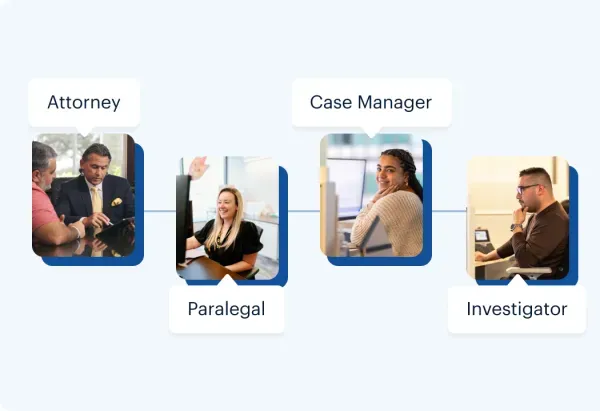
Meet your dedicated attorney
Meet the attorneys

We fight for more
Learn more about the case process
Results may vary depending on your particular facts and legal circumstances. The attorneys shown in these photos may not be licensed in your state. To find an attorney licensed in your area, please visit our attorney page.
Local Care
Backed by America’s Largest Injury Law Firm.
- $35 BillionRecovered for clients
nationwide - 700,000+Clients and families
served - 1,100+Attorneys across
the country - 1Click may change your life
We know your pain.
John Morgan’s brother Tim was injured as a teen. Their experience with a lawyer was a nightmare. John spent 35 years building a firm to do better for families like his. And yours.

The attorney featured above is licensed in Florida. For a full list of attorneys in your state please visit our attorney page.
Results may vary depending on your particular facts and legal circumstances.
Learn More
Injured and not sure what to do next?
We'll guide you through everything you need to know.