Results may vary depending on your particular facts and legal circumstances. The attorney featured above is licensed in Florida. For a full list of attorneys in your state please visit our attorney page.
BRAIN INJURY LAWYER IN FORT MYERS
A brain injury can change everything: your ability to work, think clearly, or care for yourself. If someone else’s actions caused your injury in Fort Myers, you have the right to demand accountability. Morgan & Morgan can help you document your injuries, recover medical care, and fight for the compensation you deserve.
Results may vary depending on your particular facts and legal circumstances. The attorney featured above is licensed in Florida. For a full list of attorneys in your state please visit our attorney page.




















Fighting for Compensation After Brain Injuries in Fort Myers
A traumatic brain injury (TBI) can change a person’s life in an instant. In Fort Myers, victims of car accidents, falls, or other traumatic events often face long-term challenges such as memory loss, difficulty concentrating, impaired mobility, or personality changes. These injuries not only impact the victim but also place enormous strain on their families.
Recovering from a brain injury can require extensive medical treatment, rehabilitation, and lifelong care, all of which can be extremely costly. Unfortunately, insurance companies often attempt to minimize these claims, leaving victims without the resources they need for recovery.
At Morgan & Morgan, our Fort Myers brain injury attorneys fight for victims and their families. We work to hold negligent parties accountable and pursue maximum compensation to cover medical expenses, lost wages, ongoing care, and pain and suffering.
Schedule a free, no-obligation case evaluation today. Let us help you secure the financial support and justice you deserve after a brain injury in Fort Myers.
- 700,000+ clients Chose Morgan & Morgan Nationwide.
- $0 upfront Only pay if we win.
- Available 24/7 Get help anytime.
Brain Injury Cases in Fort Myers Need Three Things
Injury or Damages
Proof of Negligence
Medical Documentation
Talk to Our Team at No Cost
150,000+ Five Star Reviews
The reasons why clients trust Morgan & Morgan.





Results may vary depending on your particular facts and legal circumstances. Based on select nationwide reviews.
What is a traumatic brain injury in Fort Myers, Florida?
A traumatic brain injury (TBI) is a type of brain injury that occurs when an external force causes damage to the brain. It can result from various incidents such as car accidents, falls, sports injuries, or violent assaults. The severity of a TBI can vary widely, from a mild concussion to a more severe injury that causes long-term disability or even death.
TBIs are typically classified into three categories:
- Mild TBI (Concussion): The most common form of traumatic brain injury. A person may briefly lose consciousness or remain conscious throughout the event. Symptoms can include headaches, confusion, dizziness, sensitivity to light, irritability, nausea, and other cognitive or physical issues that may not appear immediately after the injury.
- Moderate TBI: A person may lose consciousness for an extended period, and symptoms can include significant confusion, memory problems, and difficulty with coordination or speech.
- Severe TBI: This can cause long-lasting or permanent brain damage. Loss of consciousness for an extended period or a coma is common, and patients often experience significant cognitive, motor, and emotional challenges.
The symptoms of a traumatic brain injury can vary based on the severity of the trauma and the part of the brain that was affected. Common signs may include headaches, memory difficulties, trouble concentrating, mood or behavioral changes, dizziness, and sensory disturbances such as blurred vision or ringing in the ears.
Traumatic brain injuries can cause a range of lasting effects, including cognitive difficulties, impaired motor function, emotional challenges, and changes in behavior or personality. Treatment often begins with medical care to stabilize the injury, followed by rehabilitation and supportive therapies aimed at helping the individual recover skills, maximize function, and adjust to any long-term impacts.
What should I do if I suspect I have a brain injury after an accident in Fort Myers, Florida?
If you believe that you are exhibiting any symptoms following a trauma in Fort Myers, Florida, it’s important to take immediate action to ensure your health and safety. Here’s what you should do:
Seek Medical Attention Right Away
Even if symptoms seem mild or develop later, you should see a doctor as soon as possible. A healthcare professional can assess your condition and order necessary tests, such as a CT scan or MRI, to diagnose the injury accurately. Delaying care can result in complications or worsen the injury.
Monitor Your Symptoms
Keep track of any symptoms you experience, including headaches, dizziness, confusion, nausea, blurred vision, memory problems, or mood changes. Be aware that symptoms may not appear immediately after the accident and could worsen over time.
Rest and Recover
Give your brain time to heal by getting plenty of rest. This includes both physical rest (avoiding activities like exercise) and mental rest (limiting screen time and activities that require focus, like reading or working).
Follow Up With Your Doctor
After your initial evaluation, it’s important to follow your physician’s recommendations and attend all scheduled follow-up appointments. Because traumatic brain injuries can have lasting effects, ongoing medical monitoring can help track your recovery, manage symptoms, and address any long-term complications that may arise.
Contact Morgan & Morgan
If the brain injury was the result of an accident that wasn’t your fault, it might be a good idea to consult with a personal injury lawyer. They can help determine if you are entitled to compensation for medical bills, lost wages, and pain and suffering.
What types of accidents can lead to traumatic brain injuries?
Morgan & Morgan handles a variety of traumatic brain injury (TBI) cases, advocating for victims who have sustained injuries due to the negligence of others. Here are some common types of TBIs in Fort Myers, Florida:
Concussions (Mild TBI):
The most common type of brain injury, concussions, often result from blows to the head, falls, or accidents like car crashes. While many people recover fully from concussions, some may experience lingering symptoms that affect daily life, such as headaches, dizziness, and difficulty concentrating.
Contusions (Bruises to the Brain):
A contusion is a bruise on the brain tissue caused by a blow or impact. It can lead to swelling and bleeding in the brain, requiring prompt medical treatment to prevent further damage.
Coup-Contrecoup Injuries:
This type of injury occurs when the brain is jolted and strikes the inside of the skull at both the point of impact (coup) and on the opposite side (contrecoup). This can lead to widespread brain damage and is common in car accidents or falls.
Diffuse Axonal Injury (DAI):
DAI occurs when the brain experiences a violent shaking or twisting motion, causing the brain’s nerve fibers (axons) to tear. This type of injury is often seen in high-speed collisions, such as car accidents, and can result in severe, long-term impairment or even coma.
Penetrating Brain Injuries:
These occur when an object, such as a piece of metal or glass, penetrates the skull and enters the brain tissue. Penetrating injuries can cause significant damage, often leading to cognitive, motor, and emotional deficits.
Brain Hemorrhages (Bleeding):
A brain hemorrhage occurs when a blood vessel ruptures within the brain, causing internal bleeding. Because this condition can quickly become life-threatening, immediate medical treatment is often necessary to reduce the risk of serious complications. Brain hemorrhages are commonly associated with severe falls, high-impact collisions, and other significant head trauma.
Subdural Hematoma:
A subdural hematoma is a collection of blood between the brain and its outer covering. It often results from a head injury, and the buildup of blood can increase pressure on the brain, leading to serious complications.
Epidural Hematoma:
This occurs when blood collects between the skull and the outer layer of the brain, typically after a head injury. It can lead to rapid brain swelling and requires immediate surgical intervention to avoid life-threatening consequences.
Chronic Traumatic Encephalopathy (CTE):
Although more commonly associated with repeated head trauma (such as in athletes or military personnel), CTE can also result from a single severe TBI. It causes long-term cognitive decline, memory problems, and mood changes, and is diagnosed posthumously.
Who can file a traumatic brain injury lawsuit in Fort Myers, Florida?
A TBI lawsuit can be filed by various parties, depending on the situation and the individual’s circumstances. Here’s a breakdown of who can file a TBI lawsuit in Fort Myers, Florida:
The TBI Victim (Injured Party)
- Primary claimant: The person who directly suffers the traumatic brain injury as a result of an accident or act of negligence is typically the primary individual who can file a lawsuit. This individual seeks compensation for damages such as medical bills, lost wages, pain and suffering, and other costs associated with their recovery or long-term care.
- Important note: If the victim is able to do so, they must file the lawsuit within the statute of limitations for personal injury in their jurisdiction, which typically ranges from one to four years, depending on the state.
Family Members (In Cases of Severe Injury or Death)
- Spouse: In cases of severe TBI where the victim cannot file a lawsuit themselves due to physical or cognitive impairments, a spouse may file a lawsuit on their behalf, particularly for claims related to loss of companionship or emotional distress.
- Parents: When a child suffers a traumatic brain injury, a parent or legal guardian may be able to file a lawsuit on the child's behalf. Such a claim may seek compensation for medical expenses, future treatment and care needs, pain and suffering, and other losses related to the injury.
- Children: If the TBI victim is deceased, their children (or other family members, depending on the situation) may file a wrongful death lawsuit. This lawsuit may seek damages for loss of support, funeral costs, and other related expenses.
Legal Guardians or Conservators
- Guardianship: If the TBI victim is incapacitated and cannot manage their own legal affairs due to the severity of the injury (e.g., being in a coma or having severe cognitive impairments), a legal guardian or conservator may be appointed to file the lawsuit on their behalf.
Estate Representatives
Executor of the estate: In the tragic event that the TBI victim passes away due to their injury, the executor or administrator of the estate may file a wrongful death lawsuit on behalf of the deceased. This is typically done by the person designated in the victim’s will or by the court if no will exists.
What are the signs and symptoms of brain injuries in Fort Myers, Florida?
Signs and symptoms of a brain injury can vary depending on the severity and type of injury (mild, moderate, or severe). Some symptoms may appear immediately, while others can develop over hours or days. Here are common signs and symptoms to watch for after a head injury:
Physical Symptoms
- Headache: A persistent or severe headache is one of the most common symptoms after a brain injury.
- Nausea or vomiting: Feeling nauseous or vomiting, especially after a blow to the head, could indicate a concussion or more severe injury.
- Dizziness or balance problems: Difficulty with coordination or walking, feeling lightheaded, or having trouble maintaining balance.
- Fatigue or drowsiness: Feeling excessively tired, lethargic, or struggling to stay awake.
- Sensitivity to light or noise: Increased sensitivity to bright lights or loud sounds, often seen with concussions or mild TBIs.
- Blurred vision or double vision: Difficulty seeing clearly or experiencing double vision.
- Ringing in the ears (tinnitus): Hearing ringing, buzzing, or other noises in the ears.
- Seizures: In more severe brain injuries, seizures or convulsions may occur.
- Loss of consciousness: A brief or prolonged loss of consciousness after an impact or injury to the head.
- Swelling or tenderness at the injury site: Bruising or swelling around the head, face, or neck area.
Cognitive Symptoms
- Confusion or disorientation: Feeling "foggy," confused, or having trouble focusing. This can include difficulty remembering important information or events right before or after the injury.
- Memory loss (amnesia): Difficulty remembering things, especially immediately before or after the injury.
- Difficulty concentrating or thinking clearly: Trouble staying focused, thinking through tasks, or processing information.
- Slow thinking or processing: A noticeable delay in response times or difficulty following conversations.
Emotional and Behavioral Symptoms
- Mood swings: Irritability, frustration, or experiencing sudden emotional changes.
- Anxiety or depression: Feelings of anxiety, depression, or overwhelming sadness, which may be a result of the injury or a change in brain function.
- Personality changes: A noticeable shift in behavior, such as becoming more impulsive, withdrawn, or exhibiting uncharacteristic aggression.
- Sleep disturbances: Trouble falling asleep, staying asleep, or sleeping too much. Some individuals may also experience disturbed sleep cycles.
Severe Symptoms (Emergency Signs)
- Severe headache or worsening pain: If a headache becomes progressively worse, it could signal swelling or bleeding in the brain.
- Loss of consciousness for an extended period: Prolonged unconsciousness, confusion, or a coma after an injury is a serious sign of a severe brain injury.
- Weakness or numbness in limbs: Loss of strength or feeling on one side of the body, or difficulty moving a limb, may indicate nerve damage or brain injury.
- Clear fluids or blood leaking from the nose or ears: This could be a sign of a skull fracture or other severe injury.
- Slurred speech or difficulty speaking: Trouble speaking, slurred speech, or difficulty understanding language.
Uncontrolled bleeding or bruising: Profuse bleeding or bruising around the head or face, particularly if accompanied by symptoms of confusion or dizziness.
What are the signs of a brain injury in children or infants?
For young children or infants who cannot express their symptoms, look out for signs like:
- Excessive crying or irritability
- Change in eating or sleeping patterns
- Bulging soft spot (fontanel) on an infant’s head
- Changes in behavior, such as lethargy or less interaction than usual
- Loss of balance or trouble walking
When should I seek medical attention after a head injury in Fort Myers, Florida?
If you or someone else exhibits any of the following signs after a head injury, it's critical to seek immediate medical help:
- Persistent or worsening headaches
- Seizures
- Loss of consciousness (even briefly)
- Severe confusion or disorientation
- Difficulty breathing or swallowing
- Clear fluid draining from the ears or nose
- Unexplained vomiting or worsening nausea
- Any other unusual or severe symptoms
If you suspect a brain injury, even mild, it's always better to be cautious and consult a healthcare professional. Early diagnosis and intervention can help prevent long-term complications and improve recovery outcomes.
What are the common causes of traumatic brain injuries in Fort Myers, Florida?
Traumatic brain injuries can result from a variety of accidents or incidents, typically involving a sudden blow or jolt to the head that causes damage to the brain. Here are some of the common causes of TBIs:
Motor Vehicle Accidents
Collisions involving cars, trucks, or motorcycles are a leading cause of TBIs. The impact of a crash can cause the brain to hit the skull or be violently shaken.
Airbag deployment can also be a contributing factor. There can be multiple points of impact to the head during a car accident. For instance, the head can strike the interior of the vehicle and then receive a second blow from the airbag. There may also be an acceleration/deceleration motion of the head (whiplash), followed by airbag deployment that can cause TBI symptoms.
When pedestrians are struck by vehicles, it can lead to serious head injuries, especially if the person is thrown to the ground or strikes their head on the road or vehicle.
Bike riders involved in crashes are also at high risk for TBIs, especially if they are not wearing helmets.
Falls
Falls are a leading cause of TBIs, particularly among the elderly and young children. Falling from a height, such as from ladders, stairs, or playground equipment, can cause the head to be severely struck and can lead to serious brain injury.
Construction workers and others in hazardous jobs are particularly vulnerable to falls from heights or accidents involving machinery.
Sports Injuries
Sports such as football, soccer, hockey, and boxing are high-risk activities for TBIs due to collisions, falls, or being struck in the head with equipment (a ball, puck, or bat).
Injuries can also occur in non-contact sports such as gymnastics, cycling, or skateboarding when the athlete falls or suffers an impact to the head.
Violence and Assaults
Violent crimes, including assaults where the victim is struck on the head or involved in a fight, can cause TBIs. This can include blows with fists, weapons, or other objects.
Penetrating injuries from firearms can lead to severe brain damage and are among the most serious causes of TBI.
Military and Combat Injuries
Military personnel are at risk for TBIs from explosions, landmines, or shrapnel during combat. The shockwave from blasts can cause brain injuries even without direct impact.
Soldiers may also suffer head injuries from blunt force trauma or accidents during training or combat.
Workplace Accidents
In industries where workers are exposed to heavy machinery, tools, and equipment, falls, collisions, or being struck by falling objects can cause serious head injuries.
Medical Malpractice
Errors during surgery, particularly brain or spinal cord procedures, can result in TBIs.
In some cases, medical negligence, such as failing to diagnose a brain injury early, can lead to worsening of the injury and long-term damage.
Domestic Violence
Victims of domestic violence, especially women and children, are at risk for head trauma caused by being struck or beaten. These injuries can cause long-lasting brain damage.
TBIs can occur in a wide variety of settings and situations, often unexpectedly. It’s important to seek immediate medical attention if you suspect a brain injury to prevent complications and improve recovery chances.
If the injury was caused by the negligence or recklessness of others, consulting with an experienced attorney can help you understand your legal options for compensation.
Who can be held responsible for brain injuries in Fort Myers, Florida?
When a traumatic brain injury occurs due to someone else’s negligence or wrongdoing, various parties may be held legally responsible. Determining liability depends on how the injury happened and who had a duty of care to prevent harm. Below are some of the potentially liable parties in a TBI case:
Negligent Drivers & Vehicle Owners
If a TBI was caused by a car, truck, motorcycle, bicycle, or pedestrian accident, the at-fault driver may be held responsible.
Employers of commercial drivers (trucking companies) can also be liable if an employee caused the crash while on the job.
Property Owners & Businesses
If a slip and fall accident or another premises-related injury led to a TBI, the property owner or business may be liable under premises liability laws.
Examples include unsafe stairs, poor lighting, wet floors, and falling objects in stores, restaurants, workplaces, and apartment buildings.
Employers & Companies (Workplace Accidents)
Employers can be responsible for TBIs if unsafe workplace conditions contributed to the injury. In construction and industrial jobs, workers may suffer head injuries due to falling debris, defective machinery, or unsafe scaffolding.
Workers' compensation may cover medical costs and lost wages, but a third-party lawsuit may be possible if negligence from another company (subcontractors, equipment manufacturers) played a role.
Sports Organizations & Schools
Schools, colleges, and professional sports leagues may be liable if coaches, trainers, or organizations fail to protect athletes from concussions or TBIs.
Inadequate safety protocols, failure to provide proper helmets, and allowing players to return to play too soon after a head injury can lead to liability.
Manufacturers of Defective Products
If a faulty helmet, airbag, seatbelt, or other defective product contributed to a brain injury, the manufacturer could be held responsible under product liability laws.
Examples include motor vehicle defects, defective workplace safety gear, and faulty medical devices.
Medical Professionals & Hospitals (Medical Malpractice)
Doctors, nurses, and hospitals can be liable for TBIs caused by medical errors, such as:
- Surgical mistakes affecting the brain.
- Misdiagnosis or delayed diagnosis of a brain injury leading to worsening conditions.
- Birth injuries occur when improper delivery techniques result in brain damage to newborns.
Property Managers & Landlords
If a tenant or visitor suffers a TBI due to unsafe living conditions (such as broken staircases, poor lighting, or lack of security leading to an assault), the landlord or property manager could be held responsible.
Perpetrators of Violence & Assault
Individuals who physically assault someone, such as in cases of domestic violence, bar fights, or armed robberies, can be held criminally and civilly liable for causing a TBI.
If the assault occurred on commercial property (a bar or nightclub with inadequate security), the business might also bear some responsibility.
Government Entities & Municipalities
If a traumatic brain injury resulted from unsafe road conditions, malfunctioning traffic signals, or dangerous conditions on public property, the government agency responsible for maintaining that area may be liable. Depending on the circumstances, this could include a city, county, or state entity.
Government agencies may also face liability in certain cases involving law enforcement misconduct or the use of excessive force that results in a head or brain injury.
Nursing Homes & Assisted Living Facilities
Elderly residents can suffer TBIs due to falls, neglect, or physical abuse in nursing homes.
If staff fail to provide proper supervision or safety measures, the facility may be responsible.
If you or a loved one suffered a TBI due to someone else’s negligence, you may be entitled to compensation for medical expenses, lost wages, pain and suffering, and long-term care. Morgan & Morgan’s experienced brain injury attorneys can investigate your case, determine liability, and fight for the justice you deserve.
What is the process of filing a TBI lawsuit in Fort Myers, Florida?
Filing a traumatic brain injury (TBI) lawsuit is a complex process that requires careful preparation, strong evidence, and experienced legal representation. Below is an overview of what to expect when pursuing a claim with Morgan & Morgan.
1. Seek Medical Attention
If you suspect a brain injury, seek medical care immediately. A diagnosis from a medical professional will not only protect your health but also serve as critical evidence in your case. Brain injuries can worsen over time, so early intervention is essential.
2. Contact Morgan & Morgan
An experienced TBI attorney can evaluate your case, determine liability, and discuss potential compensation. Morgan & Morgan offers free case evaluations, and we work on a contingency fee basis, meaning you do not pay unless we win.
3. Investigation and Evidence Collection
Building a strong case requires gathering key evidence, which may include:
- Medical records and doctors’ opinions on the severity of your injury
- Accident reports, whether from law enforcement, a workplace incident, or other sources
- Witness statements from individuals who saw what happened
- Surveillance footage, photographs, or any available video evidence
- Testimony from experts, such as neurologists or accident reconstruction specialists
4. Filing the Lawsuit
Once there is sufficient evidence, your attorney will file a formal complaint against the responsible party. This legal document outlines how the injury occurred, who is liable, and the damages being sought. After the complaint is filed, the defendant will have a set period to respond.
5. Discovery Process
During discovery, both sides exchange evidence and gather further information. This process may involve:
- Depositions, where witnesses and experts provide sworn testimony
- Interrogatories, which are written questions that the opposing party must answer
- Requests for documents, such as medical records, accident reports, or insurance policies
Discovery allows both parties to assess the strength of the case and may lead to settlement discussions.
6. Settlement Negotiations
Most TBI cases are resolved through settlement rather than trial. The attorneys on both sides will negotiate a potential agreement, often involving the at-fault party’s insurance company. The goal is to secure fair compensation for medical expenses, lost wages, pain and suffering, and other damages. Morgan & Morgan will not accept a low settlement that does not adequately compensate you for your losses.
7. Trial (If Necessary)
If the parties are unable to reach a settlement, the case may move forward to trial. At that stage, a judge or jury will review the evidence, determine whether the defendant is legally responsible, and decide what compensation, if any, should be awarded. During trial, your attorney may present medical records, expert testimony, and other supporting evidence to demonstrate the severity of your injury and the ways it has affected your life.
8. Receiving Compensation
If the case is won at trial or settled beforehand, you will receive compensation for damages such as:
- Medical expenses, including future care needs
- Lost income and reduced earning capacity
- Pain and suffering
- Emotional distress
- Long-term rehabilitation and disability accommodations
- Loss of enjoyment of life (impairment of daily activities & relationships)
- Punitive damages (for cases involving reckless or intentional harm)
How long do I have to file a brain injury lawsuit in Fort Myers, Florida?
The deadline for filing a personal injury lawsuit, known as the statute of limitations, varies depending on the state where the claim is brought and the facts of the case. Certain exceptions may also affect the filing deadline, including cases involving minors, claims against government entities, or situations where the injury was not immediately discovered.
Taking action promptly is important. If a claim is not filed within the applicable statute of limitations, you may lose the right to pursue compensation for your injuries and related losses.
Because filing deadlines can differ based on the circumstances, it is a good idea to speak with a personal injury attorney as soon as possible after the incident. An attorney can review your situation, explain the timeline that applies to your case, and help ensure that all required filings are completed on time.
Can I still file a claim if my symptoms appear weeks or months later in Fort Myers, Florida?
Yes, you can still file a claim if your symptoms appear weeks or months after the accident. TBIs can have delayed symptoms, and it is not uncommon for victims to experience cognitive, emotional, or physical impairments long after the initial injury. The ability to file a claim will depend on a few key factors:
Statute of Limitations
Each state sets deadlines for filing personal injury lawsuits, known as statutes of limitations. The amount of time you have to file a brain injury claim can vary depending on where the injury occurred and the specific circumstances of your case.
In some situations, exceptions may apply, particularly if symptoms were delayed or the injury was not immediately discovered. If you did not realize the full extent of your brain injury right away, an attorney can help you understand how filing deadlines may apply to your case.
Medical Evidence and Documentation
Even if you did not seek medical treatment immediately after the accident, you may still be able to pursue a claim. A healthcare provider can evaluate your condition, diagnose any injuries, and determine whether your symptoms are consistent with the accident. Medical records that track your symptoms, treatment, and recovery can serve as important evidence in supporting your case.
Establishing the Cause of the Injury
A key part of any traumatic brain injury claim is demonstrating that the injury was caused by the accident at issue. While proving this connection can become more challenging as time passes, medical evaluations, expert opinions, and other supporting evidence can help establish causation.
Addressing Insurance Company Disputes
Insurance companies may attempt to argue that your symptoms are unrelated to the accident, particularly when there is a delay between the incident and diagnosis. An experienced attorney can help respond to these challenges by gathering medical documentation, consulting with experts, and presenting evidence that supports the connection between the accident and your injury.
Contact Morgan & Morgan
Morgan & Morgan has experience handling complex brain injury cases, including claims where symptoms may not appear right away. Our legal team can analyze your medical records, work with qualified experts, and investigate the facts surrounding your injury to help assess your case and explain the legal options that may be available to you.
Morgan & Morgan works on a contingency fee basis, which means you pay nothing up front and only pay if we recover compensation for you. If you have developed symptoms of a brain injury after an accident, do not wait. Contact us today for a free case evaluation to discuss your legal options.
What happens if my loved one is in a coma due to a traumatic brain injury in Fort Myers, Florida?
If your loved one is in a coma due to a traumatic brain injury, it is a devastating and challenging situation that requires immediate medical and legal attention.
A coma is a serious medical condition that requires intensive care. Depending on the severity of the brain injury, your loved one may need:
- Emergency treatment to stabilize their condition and reduce brain swelling.
- Long-term hospitalization in a neuro-intensive care unit (ICU).
- Rehabilitation, if they regain consciousness, including physical therapy, speech therapy, and cognitive rehabilitation.
If the injury was caused by someone else’s negligence, such as a car accident, workplace injury, medical malpractice, or an act of violence, you may have the right to file a traumatic brain injury lawsuit on behalf of your loved one.
If your loved one is in a coma or otherwise unable to manage their own legal affairs, they generally cannot pursue a claim on their own. In these situations, a spouse, parent, legal guardian, or another qualified family member may be able to take legal action on their behalf. If a legal representative has not already been appointed, it may be necessary to seek court approval to act on your loved one’s behalf.
If the injuries ultimately result in your loved one’s death, certain surviving family members may have the right to pursue a wrongful death claim against the responsible party. Such a claim may seek compensation for funeral and burial costs, lost financial support, and other damages associated with the family's loss, including emotional suffering.
Most importantly, an experienced legal advocate at Morgan & Morgan in Fort Myers, Florida, can assist you in navigating this complex legal process, fighting for the compensation you need and deserve.
Will my case go to trial, or can it be settled out of court in Fort Myers, Florida?
Whether a traumatic brain injury case is resolved through a settlement or proceeds to trial depends on the specific facts of the case, the available evidence, the parties involved, and the willingness of the insurance company to negotiate. While every case is different, most personal injury claims are resolved without going to court.
Settlements: How Many Cases Are Resolved
Many traumatic brain injury claims are settled through negotiations between the injured party’s attorney and the insurance company representing the at-fault party. A settlement can provide compensation without the time, expense, and uncertainty associated with a trial.
Some of the benefits of settling a case include:
- A faster resolution compared to litigation.
- Greater certainty regarding the outcome.
- Reduced stress and disruption for the injured person and their family.
Circumstances That Can Prevent a Settlement
Although settlements are common, an agreement may not always be possible. This can occur when:
- The insurance company refuses to offer compensation that adequately reflects the victim’s losses.
- The parties disagree about who was responsible for the accident.
- The injuries are severe, with significant future medical expenses, rehabilitation costs, and long-term care needs that are difficult to value.
When a Trial Becomes Necessary
If a fair settlement cannot be reached, the case may proceed to trial. During a trial, both sides have the opportunity to present evidence, call witnesses, and make legal arguments before a judge or jury.
At trial:
- Each side presents evidence supporting its position.
- Attorneys argue issues related to liability and damages.
- A judge or jury determines whether the defendant is responsible and, if so, the amount of compensation that should be awarded.
Reasons a Case May Go to Trial
A trial may become necessary when:
- Settlement offers do not adequately compensate the victim for their losses.
- Liability remains contested, and the defendant denies responsibility.
- The facts of the case require a judge or jury to resolve disputed issues.
If you or a loved one suffered a traumatic brain injury, Morgan & Morgan can evaluate your case and discuss the options available. Contact us today for a free case evaluation to learn more about your legal rights and potential next steps.
What if I was partially at fault for the accident that caused my TBI in Fort Myers, Florida?
Even if you share some responsibility for the accident that caused your traumatic brain injury, you may still be entitled to pursue compensation. Whether you can recover damages, and the amount you may be eligible to receive will depend on the laws that apply in your state.
The effect of shared fault varies from state to state. In some jurisdictions, any compensation you receive may be reduced according to your percentage of responsibility for the accident. Other states may restrict or bar recovery if you are found to be primarily at fault, and certain laws can affect your ability to recover damages even when fault is shared.
Determining fault typically requires a thorough review of the available evidence, including accident reports, witness accounts, medical records, photographs or video footage, and expert analysis.
Insurance companies may try to place more blame on injured victims to reduce payouts. An experienced brain injury attorney can help protect your rights and push back against unfair fault claims.
Even if you believe you were partially responsible for the accident, it’s important to speak with an attorney before assuming you are ineligible for compensation.
Do I have to pay for a consultation with a lawyer in Fort Myers, Florida?
No. Consultations at Morgan & Morgan in Fort Myers are completely free. We believe everyone deserves access to legal advice, regardless of their financial situation.
Hiring one of our lawyers is easy, and you can get started in minutes with a free case evaluation on our site or by phone.
Who will be on my Fort Myers, Florida, case team?
When you hire Morgan & Morgan, you gain access to the resources of America’s Largest Injury Law Firm™. With more than 1,100 attorneys nationwide and over 700,000 clients helped, our firm has the experience and resources to handle complex brain injury cases.
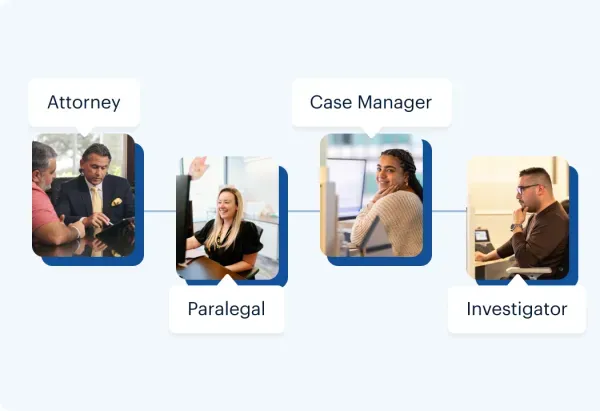
Your case may be supported by a team that can include attorneys, paralegals, case managers, and other legal professionals working together to move your claim forward. You may also have a primary point of contact who can help answer questions and keep you informed throughout the legal process.
When do I meet with my lawyer in Fort Myers, Florida?
We believe keeping clients informed throughout the legal process is important. In most cases, you will communicate regularly with your Case Manager by phone and email, receiving updates and assistance as your case progresses. If you would like to speak directly with your attorney, we can schedule a call to discuss your case, answer questions, and address any concerns you may have.
How much does it cost to hire Morgan & Morgan in Fort Myers, Florida?
Morgan & Morgan’s lawyers work on a contingency fee basis, meaning that there are no up-front fees or expenses until your case comes to a successful conclusion. That’s right—the Fee Is Free™, and you only pay if we win.
Our fee is a percentage of the settlement or verdict amount, ensuring we are motivated to achieve the best possible outcome for you.
Why should I hire Morgan & Morgan in Fort Myers, Florida, for a brain injury case?
Brain injury cases can be complex and often involve extensive medical evidence, long-term treatment needs, and significant financial losses. Morgan & Morgan has more than 1,100 attorneys nationwide and has recovered over $35 for clients.
Our attorneys have handled complex injury cases and recognize the profound impact a traumatic brain injury can have on every aspect of a person's life. We work to develop comprehensive claims that reflect both the immediate consequences of the injury and the ongoing medical care, rehabilitation, and future needs a victim may face.
Morgan & Morgan handles brain injury cases on a contingency fee basis, which means you pay nothing up front and only pay if we recover compensation for you. If you believe someone else’s negligence caused your injury, contact Morgan & Morgan today for a free case evaluation to learn more about your legal options.
Our Results
How It Works
Unsure what to do next? With 35 years of experience, our personal
injury lawyers will guide you every step of the way.

Contact Us 24/7 - It’s Free
Start your claim
Meet your dedicated attorney
Meet the attorneys
We fight for more
Learn more about the case process
Results may vary depending on your particular facts and legal circumstances. The attorneys shown in these photos may not be licensed in your state. To find an attorney licensed in your area, please visit our attorney page.
Local Care
Backed by America’s Largest Injury Law Firm.
- $35 BillionRecovered for clients
nationwide - 700,000+Clients and families
served - 1,100+Attorneys across
the country - 1Click may change your life
We know your pain.
John Morgan’s brother Tim was injured as a teen. Their experience with a lawyer was a nightmare. John spent 35 years building a firm to do better for families like his. And yours.

The attorney featured above is licensed in Florida. For a full list of attorneys in your state please visit our attorney page.
Results may vary depending on your particular facts and legal circumstances.
Learn More
Injured and not sure what to do next?
We'll guide you through everything you need to know.