Results may vary depending on your particular facts and legal circumstances. The attorney featured above is licensed in Florida. For a full list of attorneys in your state please visit our attorney page.
ADMIRALTY AND MARITIME LAWYER IN TALLAHASSEE
Unseaworthiness claims for Tallahassee maritime employees go beyond ordinary negligence and can include defective equipment, inadequate crew training, and unsafe vessel conditions. Morgan & Morgan pursues these claims.
Results may vary depending on your particular facts and legal circumstances. The attorney featured above is licensed in Florida. For a full list of attorneys in your state please visit our attorney page.




















When an Accident on the Water Causes Serious Harm
Florida’s waterways support recreation, fishing, transportation, and maritime work, but accidents on the water can cause devastating injuries. Boat collisions, unsafe vessels, equipment failures, falls aboard vessels, and workplace incidents may leave victims facing extensive medical treatment and long-term financial consequences. Tallahassee-area victims may also encounter unfamiliar legal issues after a maritime accident.
Maritime cases can involve federal law, Florida law, and multiple potentially responsible parties. Vessel owners, operators, employers, manufacturers, maintenance companies, or others may need to be investigated depending on what caused the accident and where it occurred.
Contact Morgan & Morgan for a free case evaluation if you were injured in a maritime accident involving the Tallahassee area. Our attorneys are prepared to investigate your claim and help you pursue accountability and compensation.
- 700,000+ clients Chose Morgan & Morgan Nationwide.
- $0 upfront Only pay if we win.
- Available 24/7 Get help anytime.
Admiralty and Maritime Cases in Tallahassee Need Three Things
The Incident Involved Maritime Activity
Another Party Was Responsible
You Suffered Injuries or Losses
Talk to Our Team at No Cost
150,000+ Five Star Reviews
The reasons why clients trust Morgan & Morgan.





Results may vary depending on your particular facts and legal circumstances. Based on select nationwide reviews.
What should I do if I’m injured while working offshore near Tallahassee, Florida?
If you’re injured on the job in a maritime or offshore setting near Tallahassee, Florida, what you do next can make or break your ability to get compensation. Maritime law is complex, and mistakes made early on, like not reporting the injury or signing the wrong paperwork, can seriously hurt your case.
Report the Injury Immediately
Tell your supervisor or employer as soon as possible, even if the injury seems minor. Delays can hurt your credibility, jeopardize your claim, and violate reporting deadlines, especially under the Longshore and Harbor Workers' Compensation Act (LHWCA), which requires notification within 30 days.
Seek Medical Attention
Get checked out immediately, even if you don’t think your injury is serious. In some cases, you may be able to choose your own doctor, not just the one your employer recommends. Make sure all symptoms and injuries are documented thoroughly.
Document Everything
Take photos of the injury and accident site and keep copies of all medical records, prescriptions, and reports. Write down witness names and contact info, and note dates, times, and what was said during any conversations with your employer.
Do Not Sign Anything Without Legal Advice
Your employer or insurance company may try to get you to sign a waiver or settlement. Don’t do it. These documents often limit your rights or offer lowball compensation. A maritime attorney at Morgan & Morgan can review any documents before you sign.
Talk to a Maritime Injury Lawyer at Morgan & Morgan in Tallahassee, Florida
Maritime cases are not like regular workers’ compensation cases. The laws are different, the deadlines are different, and the stakes are higher. An experienced maritime lawyer can help you file your claim correctly, determine whether your injury qualifies under the Jones Act, LHWCA, or other laws, and fight for the maximum compensation you’re owed.
What is maritime and admiralty law in Tallahassee, Florida?
Maritime and admiralty law is a specialized area of law that governs legal matters involving navigable waters. This includes oceans, rivers, and large lakes, as well as ports and docks. The terms are often used interchangeably, though "admiralty law" is the older term historically associated with the British naval court system. These laws regulate:
- Maritime commerce
- Marine navigation
- Ship operations and registration
- Seamen’s injuries and wages
- Passenger rights
- Salvage and towage
- Pollution and environmental damage
- Piracy and crimes at sea
In short, if the incident happened on water, or even in connection with water, maritime law probably applies.
What types of maritime injury claims are common in Tallahassee, Florida?
Maritime injury claims can arise in many different situations, depending on the type of work being performed and where the injury occurred. Different maritime laws may apply depending on the worker’s role, where the accident happened, and the circumstances surrounding the injury. Some of the most common maritime injury claims include:
Seaman Injuries (Jones Act Claims)
The Jones Act allows qualifying seamen who are injured on the job to pursue claims against their employers for negligence. Unlike traditional workers’ compensation claims, injured seamen must show that the employer’s negligence contributed to the injury.
Under the Jones Act, a seaman is generally someone who spends a significant portion of their working time aboard a vessel in navigable waters. Common causes of Jones Act claims include:
- Unsafe working conditions
- Faulty or poorly maintained equipment
- Inadequate training or supervision
- Failure to provide proper medical care
- Assaults by coworkers or officers
- Longshore and Harbor Worker Injuries (LHWCA)
Dockworkers, shipbuilders, crane operators, and other harbor workers who are not classified as seamen may be covered under the Longshore and Harbor Workers’ Compensation Act (LHWCA).
Unlike Jones Act claims, LHWCA claims generally do not require proof of negligence, but strict deadlines and reporting requirements still apply.
Cruise Ship Injury Claims
Cruise passengers and crew members may suffer injuries caused by slippery decks, unsafe conditions, negligent security, foodborne illness outbreaks, or onboard medical negligence.
These claims can involve complicated jurisdiction issues, contractual limitations, and shortened filing deadlines.
Commercial Fishing and Offshore Accidents
Commercial fishermen and offshore workers often face dangerous conditions, including severe weather, hazardous equipment, slippery surfaces, and long working hours.
Depending on the circumstances, these claims may involve the Jones Act, general maritime law, or the Outer Continental Shelf Lands Act (OCSLA).
Wrongful Death at Sea
When someone dies while working offshore or traveling at sea, surviving family members may have grounds to pursue compensation under laws such as the Death on the High Seas Act (DOHSA).
These claims may involve compensation for funeral expenses, lost financial support, and other damages permitted under maritime law.
What injuries are common in maritime accidents in Tallahassee, Florida?
Maritime accidents can result in severe injuries due to dangerous equipment, slippery surfaces, heavy machinery, fires, explosions, and harsh offshore conditions. Some of the most common injuries include:
- Broken bones and fractures
- Spinal cord injuries
- Traumatic brain injuries
- Burns and electrocution injuries
- Crush injuries and amputations
- Drowning and near-drowning injuries
- Repetitive stress injuries
- Hearing or vision loss
- Emotional trauma and PTSD
Many maritime injuries require extensive medical treatment, rehabilitation, and long-term care, especially when they prevent workers from returning to their jobs offshore or at sea.
How are maritime injury claims handled differently in Tallahassee, Florida?
Maritime injury claims are often more complex than standard personal injury cases because they may involve federal laws, admiralty rules, international regulations, and unique filing deadlines. Some of the factors that make maritime claims unique include:
- Shorter filing deadlines in certain cases
- Different eligibility rules depending on the worker’s role
- Limits on the types of damages available under some maritime laws
- Jurisdiction disputes, especially in cruise ship or international cases
At Morgan & Morgan, our legal team knows how to navigate these complexities and aggressively pursue justice, no matter where the injury happened.
What types of damages can be recovered in a maritime claim in Tallahassee, Florida?
The damages available depend on the specific law governing your case, but generally, maritime injury victims can pursue compensation for:
- Medical expenses
- Lost wages and future earning capacity
- Pain and suffering
- Disability and disfigurement
- Emotional distress
- Vocational rehabilitation
- Loss of enjoyment of life
- Wrongful death (in applicable cases)
In Jones Act claims, punitive damages may also be awarded in rare cases of willful misconduct or failure to provide maintenance and cure.
How long do I have to file a maritime claim in Tallahassee, Florida?
The amount of time you have to file a maritime claim depends on the type of case and the laws that apply. Maritime claims are often subject to unique deadlines and legal requirements that can differ from standard personal injury cases.
Because missing a filing deadline could affect your ability to recover compensation, it’s important to speak with an experienced maritime attorney as soon as possible to understand your rights and legal options.
Can I sue if I signed a liability waiver in Tallahassee, Florida?
Yes, signing a liability waiver does not necessarily prevent you from pursuing a lawsuit. While waivers are intended to limit a company’s or employer’s legal responsibility, they are not always enforceable in every situation.
In general, a liability waiver does not excuse negligent or reckless conduct. This is especially important in maritime cases, where specific laws and legal protections may still allow an injured worker to pursue a claim despite having signed a waiver. Courts often scrutinize these documents closely, and they may not hold up if certain conditions aren’t met.
Common Reasons Waivers Get Thrown Out
There are several circumstances in which a court may decline to enforce a liability waiver, including:
- Gross negligence or reckless conduct: Liability waivers generally do not protect companies from claims involving serious misconduct, reckless actions, or significant safety violations.
- Unclear or overly broad language: A waiver may be unenforceable if it fails to clearly describe the risks being assumed or the rights being waived.
- Violations of public policy: Courts may refuse to enforce waivers that conflict with public safety interests, particularly in cases involving employees or passengers.
- Unequal bargaining power: If an individual was pressured to sign a waiver or had little meaningful choice in the matter, a court may find the agreement unenforceable.
- Minors or jurisdiction-specific restrictions: In some situations, waivers signed on behalf of a child or waivers governed by laws that limit their enforceability may not hold up in court.
Maritime law presents additional considerations. For example, seamen covered by the Jones Act generally cannot waive their right to pursue claims for injuries caused by employer negligence.
Similarly, while cruise lines and maritime tour operators often include liability waivers in their contracts, those provisions may be challenged under certain circumstances, particularly when safety requirements were not followed or negligence contributed to the injury.
Can I get workers' compensation if I work offshore of Tallahassee, Florida?
The answer is: it depends on what kind of offshore work you do and where it takes place.
Offshore workers are generally not covered by traditional workers’ compensation, but that doesn’t mean you’re unprotected.
If you qualify as a seaman, traditional workers’ compensation benefits generally do not apply. Instead, you may have rights under the Jones Act, which allows eligible maritime workers to pursue claims against their employers for negligence or unsafe working conditions. Seamen may also be entitled to maintenance and cure benefits, which can help cover reasonable living expenses and medical care during recovery.
To qualify as a seaman, you generally must spend at least 30% of your working time on a vessel in navigation.
If you work on a dock, oil rig, or near shore, you’re likely covered by the Longshore & Harbor Workers’ Compensation Act (LHWCA). This includes workers who load/unload ships, build/repair vessels, or work on offshore oil platforms (in some cases). LHWCA provides medical care, wage replacement, and disability benefits, similar to traditional workers’ compensation.
If you work on the outer continental shelf, you may be covered under the Outer Continental Shelf Lands Act (OCSLA), which extends LHWCA benefits to certain offshore oil and gas workers.
If you are a traditional land-based worker, your injury claim will typically be governed by your state's workers’ compensation system. These laws generally do not extend to injuries that occur on navigable waters or in offshore maritime settings.
If you are uncertain about your classification or your employer is disputing your claim, it is important to speak with a maritime attorney as soon as possible. Maritime injury cases often involve complex legal issues and are governed by laws that differ significantly from standard personal injury and workers’ compensation claims.
Morgan & Morgan has experienced maritime and offshore injury attorneys who know how to fight for your rights—and we only get paid if we win. Reach out today for a free case evaluation.
What’s the difference between a “seaman” and a “longshoreman”?
When it comes to maritime law, the difference between a seaman and a longshoreman involves more than just a job title. Your classification can affect the legal protections available to you, the benefits you may qualify for, and whether you have the right to bring a negligence claim against your employer.
Generally, a seaman is a maritime worker who:
- Works aboard a vessel in navigation (rather than one that is permanently docked or out of service)
- Spends at least 30% of their working time on that vessel or a fleet of related vessels
- Contributes to the vessel’s function or mission
Examples of workers who may qualify as seamen include:
- Deckhands
- Engineers
- Cooks aboard ships
- Tugboat crew
- Fishermen
And their legal protections are:
- Covered by the Jones Act
- Can sue their employer for negligence
- Entitled to maintenance and cure (living expenses + medical costs during recovery)
A longshoreman is a maritime worker who primarily performs job duties on docks, wharves, terminals, and other shore-based areas connected to shipping operations. Their work often involves loading and unloading cargo, moving freight, maintaining equipment, and supporting port activities, rather than serving as a crew member aboard a vessel. Longshoremen are commonly employed at ports, shipyards, cargo terminals, and waterfront facilities. Examples of longshoremen include:
- Dock workers
- Crane operators
- Shipbuilders
- Harbor construction workers
And their legal protections are:
- Covered by the Longshore and Harbor Workers’ Compensation Act (LHWCA)
- Entitled to workers’ compensation-style benefits (medical expenses, wage replacement, disability)
- Usually cannot sue their employer, but may have third-party claims
Your classification directly impacts what kind of compensation you can receive and what legal action you can take after a maritime injury. If you are unsure of your classification or believe you may have been misclassified, Morgan & Morgan may be able to assist. Our maritime attorneys have experience handling complex maritime claims and can help you understand your rights and pursue the compensation that may be available under the law.
Do I have to pay for a consultation with a lawyer in Tallahassee, Florida?
No. Consultations at Morgan & Morgan are completely free. We believe everyone deserves access to legal advice, regardless of their financial situation.
Hiring one of our lawyers is easy, and you can get started in minutes with a free case evaluation on our site or by phone.
Who will be on my Tallahassee, Florida, case team?
When you hire Morgan & Morgan, you’re backed by America’s Largest Injury Law Firm, with 1,100 attorneys, and offices nationwide.
Your case will be handled by a dedicated team that may include a personal injury attorney, case manager, paralegals, and support staff. A primary attorney will oversee your case, supported by a care team that helps keep things moving and keeps you informed throughout the process.
When do I meet with my lawyer in Tallahassee, Florida?
We love talking to our clients. You will primarily communicate with your Case Manager via telephone and email, and if you would like to speak directly with your attorney via telephone, we will make that happen by scheduling a call.
How much does it cost to hire Morgan & Morgan in Tallahassee, Florida?
Morgan & Morgan’s lawyers work on a contingency fee basis, meaning that there are no upfront fees or expenses until your case comes to a successful conclusion. That’s right—the Fee Is Free™, and you only pay if we win.
Our fee is a percentage of the settlement or verdict amount, ensuring we are motivated to achieve the best possible outcome for you.
Why should I hire Morgan & Morgan in Tallahassee, Florida, for my maritime accident?
At Morgan & Morgan, our team of experienced attorneys has successfully represented countless clients in similar situations, securing millions in compensation. As America’s Largest Injury Law Firm, with 1,100 lawyers nationwide, we have the resources, knowledge, and dedication to fight for your rights.
Morgan & Morgan handles cases on a contingency fee basis, which means you pay nothing upfront and owe no attorney fees unless your case is successful. We believe access to justice should not depend on a person's financial situation. That's why our motto is the Fee Is Free™; you only pay if we win.
Don’t bear the burden of your injuries on your own because of someone else’s negligence. Contact Morgan & Morgan today for a free case evaluation to learn more about your legal options.
Our Results
How It Works
Unsure what to do next? With 35 years of experience, our personal
injury lawyers will guide you every step of the way.
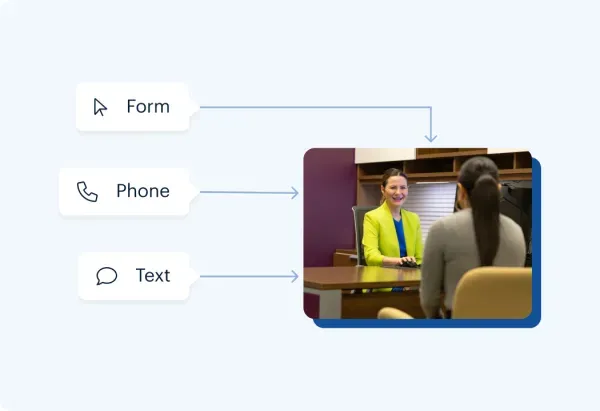
Contact Us 24/7 - It’s Free
Start your claim
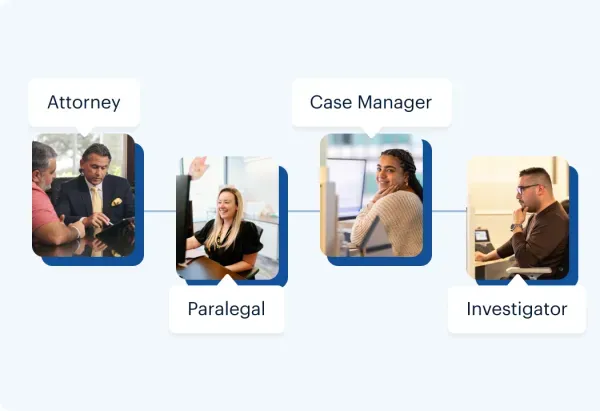
Meet your dedicated attorney
Meet the attorneys
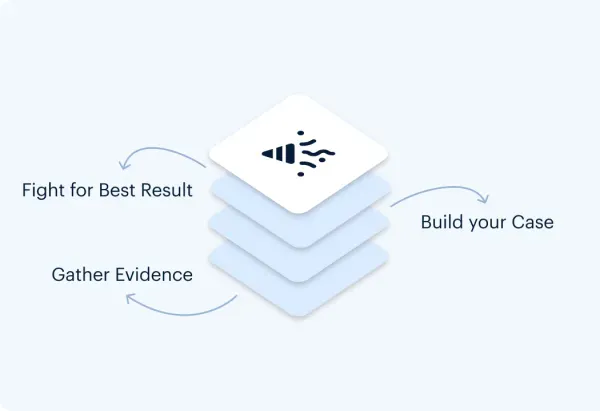
We fight for more
Learn more about the case process
Results may vary depending on your particular facts and legal circumstances. The attorneys shown in these photos may not be licensed in your state. To find an attorney licensed in your area, please visit our attorney page.
Local Care
Backed by America’s Largest Injury Law Firm.
- $35 BillionRecovered for clients
nationwide - 700,000+Clients and families
served - 1,100+Attorneys across
the country - 1Click may change your life
We know your pain.
John Morgan’s brother Tim was injured as a teen. Their experience with a lawyer was a nightmare. John spent 35 years building a firm to do better for families like his. And yours.

The attorney featured above is licensed in Florida. For a full list of attorneys in your state please visit our attorney page.
Results may vary depending on your particular facts and legal circumstances.
Learn More
Injured and not sure what to do next?
We'll guide you through everything you need to know.