Results may vary depending on your particular facts and legal circumstances. The attorney featured above is licensed in Florida. For a full list of attorneys in your state please visit our attorney page.
LABOR LAWYER IN FLORIDA
Workers in Florida dealing with questions about their rights on the job can turn to Morgan & Morgan for clear, experienced guidance on employment and labor law matters. Morgan & Morgan accepts all consultations at no upfront charge.
Results may vary depending on your particular facts and legal circumstances. The attorney featured above is licensed in Florida. For a full list of attorneys in your state please visit our attorney page.




















When Workplace Rules Affect Your Pay and Your Rights
Florida workers may have questions about wages, overtime, discrimination, retaliation, leave, termination, and other workplace protections. While employers generally have significant flexibility in managing their businesses, state and federal laws still place important limits on how employees can be treated.
Employment disputes often depend on the worker’s job duties, pay structure, workplace policies, communications, and the specific law at issue. What appears to be unfair treatment is not always unlawful, but discrimination, retaliation, unpaid wages, and other violations can create potential legal claims.
Contact Morgan & Morgan for a free case evaluation if you believe your employer violated your workplace rights in Florida. Our attorneys can review your circumstances and help you understand which labor and employment protections may apply.
- 700,000+ clients Chose Morgan & Morgan Nationwide.
- $0 upfront Only pay if we win.
- Available 24/7 Get help anytime.
150,000+ Five Star Reviews
The reasons why clients trust Morgan & Morgan.






Results may vary depending on your particular facts and legal circumstances. Based on select nationwide reviews.
Should I File a Lawsuit Against My Employer?
If your employer has treated you poorly, your reaction might be to make your employer pay for violating one or more Florida employment statutes. However, you should first speak with an experienced employment law attorney to decide whether you should file a civil lawsuit against your employer.
Your lawyer might decide that negotiating a settlement out of court represents the most effective legal strategy. Litigation can be time-consuming, as well as emotionally draining. In some cases, employers refuse to come to the negotiating table, which leaves a lawyer with no other option than to file a civil lawsuit that seeks monetary damages.
What is the Meaning of Protected Traits?
When referring to discrimination statutes, many states use the term “protected classes” that include age, gender, and national origin. Florida discrimination in the workplace laws use the term “protected traits.” Typically, if an employer in the Sunshine State makes a labor decision based on a protected trait, the employer has violated discrimination in the workplace law.
What Does It Mean to Be Sexually Harassed at Work?
This is one of the most frequently asked employment law questions by our Florida clients. The best answer is if you feel uncomfortable when a boss or co-worker is around you at work and outside of work, you should contact an employment law attorney to determine how to proceed.
Although your employer should explain its sexual harassment policy in the employee handbook, the fact remains that some employers do not provide the same protections against sexual harassment that are required by state law.
Keep in mind that there are two broad categories of sexual harassment.
- Quid quo pro-Employer makes an employment decision based on how you respond to sexual advances
- Hostile work environment-Revealing photos, overly physical interactions, and explicitly crude jokes in the workplace
You should never accept sexual harassment because you fear losing your job. Florida whistleblower protection statutes protect you against any backlash from your employer.
What is the Process for Filing a Complaint Against My Employer for Sexual Harassment?
If you have experienced sexual harassment in the workplace, you might be tempted to act with a sense of urgency and lash back at your employer for committing or condoning the acts of sexual harassment. According to Florida labor laws, you must follow a few steps that might stop the harassing behavior before you decide to file a civil lawsuit.
First, speak with the worker who is harassing you. If there is more than one harasser, take the time required to speak with each co-worker. If you do not feel comfortable speaking with one or more harassers, then speak with a human resources manager to stop the unlawful behavior. You should refer to your employee handbook to determine the process your employer has established for handling sexual harassment complaints.
If your employer does not have a sexual harassment policy in place or refuses to address your concerns, then the time has come to contact a state-licensed employment law attorney.
Should I Negotiate Without a Lawyer Present?
The short answer to this question is an emphatic no.
Employment law attorneys are much more than persuasive litigators. Many of their cases never see the light of a courtroom because they are skilled negotiators that get the best deals for their clients. Going it alone during negotiations with your employer means you probably end up negotiating with an attorney who works for your employer. An employment law attorney can negotiate a severance package, get you just compensation for your pain and suffering, and ensure your employer never commits another violation of Florida labor laws.
How Should I Handle Getting Written Up at Work?
Even the best workers make mistakes.
Many employers have established a disciplinary process that starts with a verbal warning. The next step is a write-up that documents the incident that prompted your employer to invoke this step in the disciplinary process. Most employers allow for three write-ups before more forceful discipline is implemented.
Follow these rules when you receive a write-up at work to prevent escalating the situation:
- Stay professional
- Read the write-up
- Review the supporting paperwork
- Sign the write-up
Contact an attorney after receiving a write-up only if you believe your employer has violated one or more Florida labor laws.
Contact a Florida-Licensed Employment Law Attorney
Most employers do not go out of their way to educate their workers about their rights in the workplace. If you think your employer has violated one or more Florida labor laws, contact Morgan & Morgan to schedule a free initial consultation.
Our Results
How It Works
Unsure what to do next? With 35 years of experience, our personal
injury lawyers will guide you every step of the way.
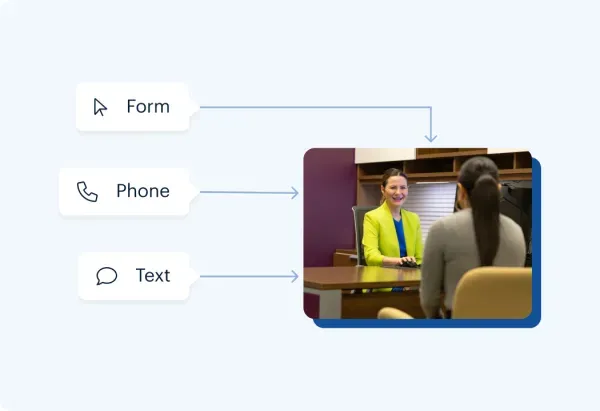
Contact Us 24/7 - It’s Free
Start your claim
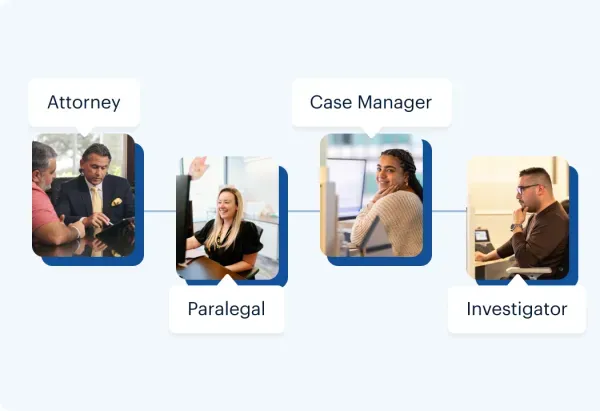
Meet your dedicated attorney
Meet the attorneys
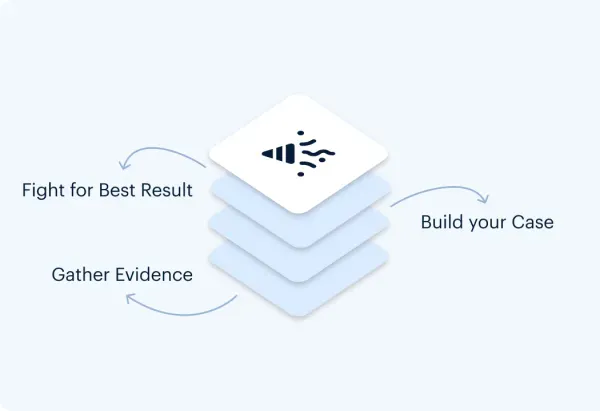
We fight for more
Learn more about the case process
Results may vary depending on your particular facts and legal circumstances. The attorneys shown in these photos may not be licensed in your state. To find an attorney licensed in your area, please visit our attorney page.
Local Care
Backed by America’s Largest Injury Law Firm.
- $35 BillionRecovered for clients
nationwide - 700,000+Clients and families
served - 1,100+Attorneys across
the country - 1Click may change your life
We know your pain.
John Morgan’s brother Tim was injured as a teen. Their experience with a lawyer was a nightmare. John spent 35 years building a firm to do better for families like his. And yours.

The attorney featured above is licensed in Florida. For a full list of attorneys in your state please visit our attorney page.
Results may vary depending on your particular facts and legal circumstances.
In the Community
Discover the local Morgan & Morgan experience with news, events, and partnerships.
-

Morgan & Morgan Brings Four Maritime Trial Attorneys into its South Florida Practice
-
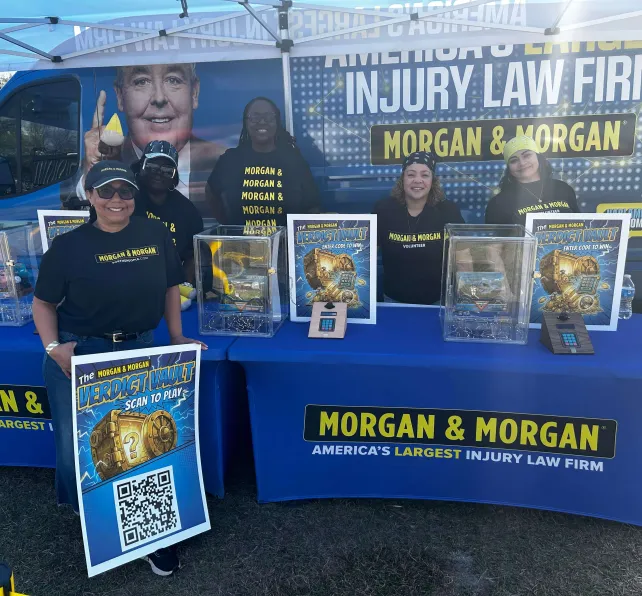
Revving Up the Crowd at Monster Jam Tampa: A Weekend of Fun at Raymond James Stadium
-

Morgan & Morgan Becomes the Official Personal Injury Law Firm Partner of the Tampa Bay Buccaneers
-
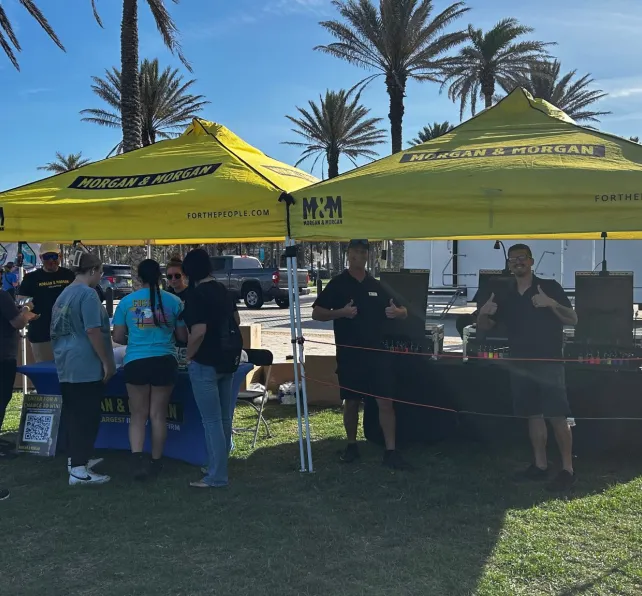
Walking for Wishes and Making Magic in Jacksonville
-

The 8 Most Common Causes of Florida Car Accidents
-

Can You Make a Right Turn on Red in Florida?
-
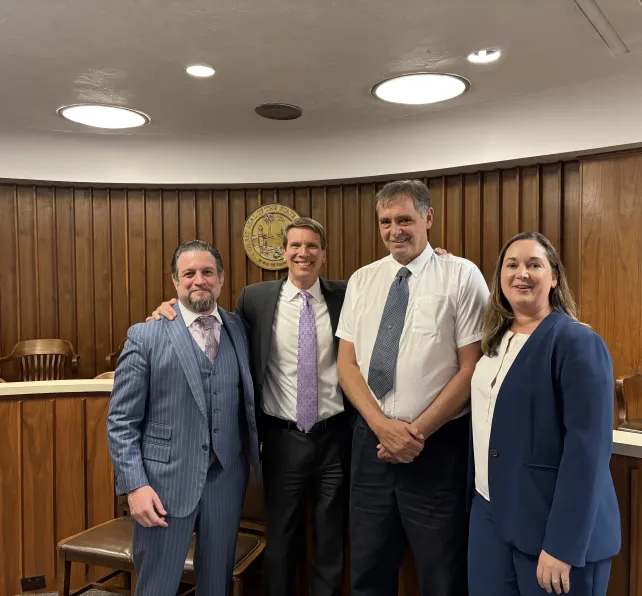
Marine Corps Veteran Awarded $10.7 Million Verdict for Motorcycle Crash Injuries
-

Walking for a Cause: 18th Annual Morgan & Morgan Walk for Wishes
-

Who Is Liable When a Tree Falls on a Neighbor’s Property in Florida?
-
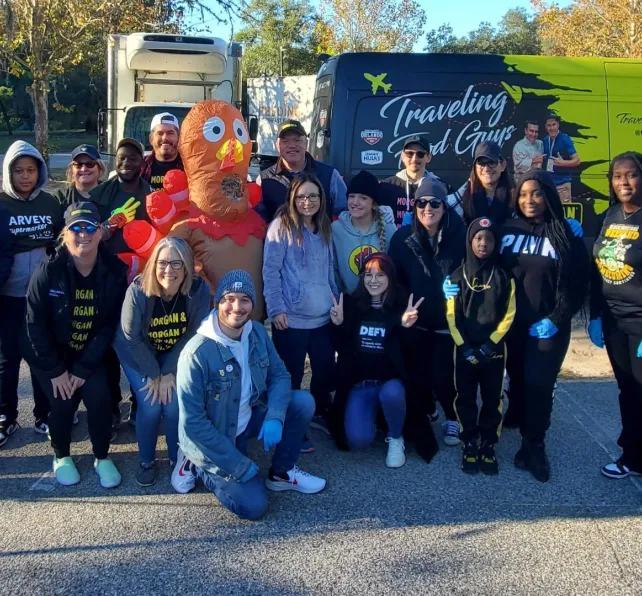
Harvest Helpings Presented by Morgan & Morgan: A Thanksgiving Tradition in Jacksonville
-
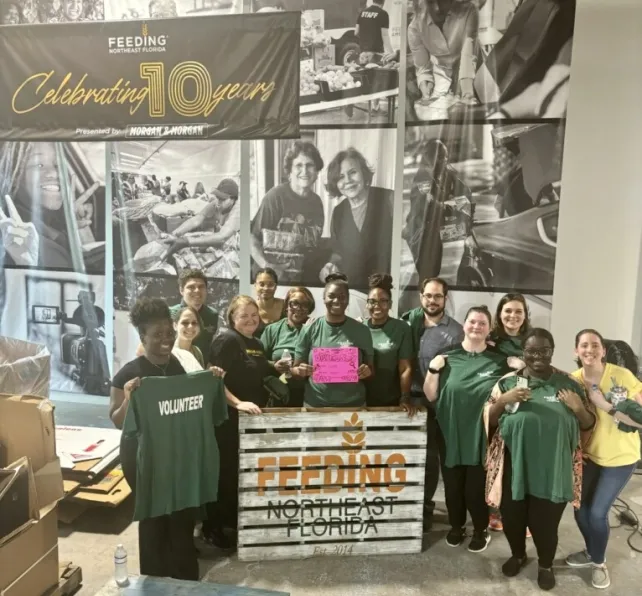
Morgan & Morgan Jacksonville Teams Sort Over 8,900 Pounds of Food to Support Northeast Florida Community
-
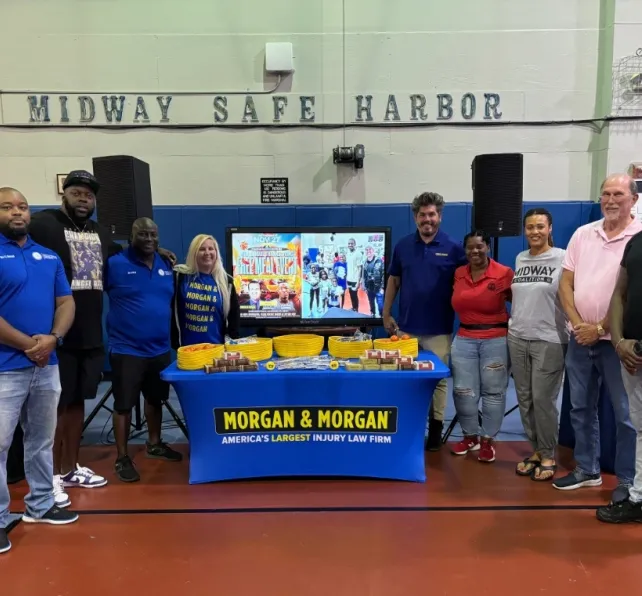
4th Annual Free Thanksgiving Meal Giveaway Brings Joy and Celebration to Sanford
-
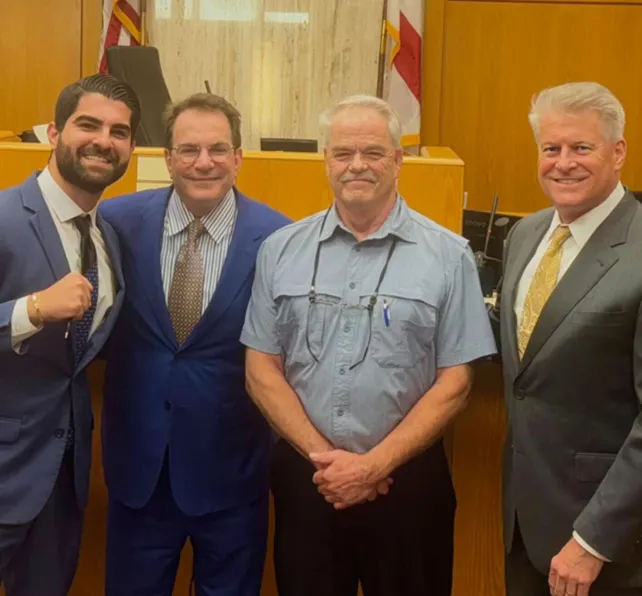
Morgan & Morgan Wins $5.8 Million Verdict for Polk County Man Injured in Crash
-

Protecting Your Property: Hurricane Lawyers in Florida
-

What City in Florida Has the Most Car Accidents?
-
Florida’s Statutes of Limitations: How Do They Affect Your Case?
-

Morgan & Morgan Fights for Marijuana Legalization in Florida
Learn More
Injured and not sure what to do next?
We'll guide you through everything you need to know.