Results may vary depending on your particular facts and legal circumstances. The attorney featured above is licensed in Florida. For a full list of attorneys in your state please visit our attorney page.
CAR ACCIDENT LAWYER IN DELAND
A car accident can change everything in seconds: pain, medical bills, time off work, and an insurance company pressuring you to settle before you know the full cost. At Morgan & Morgan in DeLand, we take over from day one. We preserve evidence, handle the paperwork, and negotiate against low offers, allowing you to focus on your recovery.
Results may vary depending on your particular facts and legal circumstances. The attorney featured above is licensed in Florida. For a full list of attorneys in your state please visit our attorney page.
















When a Normal Drive Turns Into a Major Setback
A car accident can change your life in an instant. What starts as a routine drive through Deland can end with painful injuries, mounting medical bills, vehicle damage, and time away from work. In the aftermath, many people are left trying to heal while dealing with insurance calls and financial stress they never saw coming.
Florida law allows people injured in car accidents to pursue compensation when another driver’s negligence causes harm, but these claims are rarely simple. Fault may be disputed, injuries may be minimized, and insurers often push quick settlements that do not reflect the true cost of recovery. Strict deadlines and procedural rules can make it difficult to protect your rights without experienced legal guidance.
Contact Morgan & Morgan for a free case evaluation if you were injured in a car accident in Deland. Our attorneys are prepared to stand up to insurers, protect your rights, and help you recover, move forward, and seek justice.
150,000+ Five Star Reviews
The reasons why clients trust Morgan & Morgan.



Results may vary depending on your particular facts and legal circumstances. Based on select nationwide reviews.
How do I know if I have a case?
Not every fender-bender becomes a lawsuit, but many crashes do qualify. We look for three core elements:
- Negligence: another driver violated a rule of the road (speeding, texting, DUI, failure to yield).
- Causation: that mistake directly led to the crash and your injuries.
- Damages: real losses, such as medical bills, lost wages, vehicle damage, and pain and suffering.
If those boxes are checked, you likely have a viable claim. Our team investigates fast, police reports, scene photos, EDR “black box” data, dashcam/CCTV, and witness statements, then deals with the insurers while you focus on healing.
What should I do right after a DeLand crash?
The moments following a crash are crucial not only to maintaining your health but also to the validity of your case.
- Call 911 and seek medical attention (even if symptoms are mild, adrenaline can mask pain, and injuries may not be apparent until later).
- Get a police report and exchange info with drivers and witnesses.
- Photograph the scene, vehicles, skid marks, road conditions, signage, and your injuries.
- Avoid admitting fault or giving a recorded statement.
- Call Morgan & Morgan. We can look at all the information to determine if you have a valid case and ensure that adequate compensation is sought.
Prompt treatment creates the medical record that links your injuries to the crash, and helps protect your Personal Injury Protection (PIP) benefits.
How does Florida’s no-fault (PIP) insurance affect my claim?
Florida follows a no-fault system, which means your own insurance, through Personal Injury Protection (PIP), pays for your medical treatment and a portion of your lost wages, no matter who caused the crash. But that’s only the first layer of coverage.
Getting medical care right away is critical because PIP benefits can be reduced or denied if you delay treatment. Once you’ve received that initial coverage, your claim may not end there. If your injuries are considered “serious” under Florida law, such as permanent disability, significant scarring, or broken bones, you can step outside the no-fault system and pursue a claim against the at-fault driver for the full value of your damages, including pain and suffering or long-term care.
At Morgan & Morgan, we coordinate every aspect of your coverage: PIP, health insurance, and any letters of protection, so that your treatment continues uninterrupted and medical liens don’t reduce your final recovery.
Can I still recover if I was partially at fault?
Once your PIP coverage has paid for your initial medical expenses and lost wages, fault becomes a factor in any claim that goes beyond those no-fault benefits.
Florida follows a modified comparative negligence rule, which means you can still recover compensation as long as you were 50% or less at fault for the crash. Your share of the blame simply reduces your total recovery; for example, being 20% at fault would result in a 20% reduction of your award.
If you’re found more than 50% responsible, however, Florida law bars additional recovery. That’s why insurance companies often overstate your level of fault to minimize payouts.
At Morgan & Morgan, we know their tactics. Our attorneys utilize accident reconstruction, traffic camera footage, photos, vehicle impact analysis, 911 recordings, and cell phone data to counter inflated fault claims and ensure that your side of the story is heard.
What if the other driver is uninsured or underinsured?
We look to UM/UIM coverage on your policy (and sometimes a household member’s policy). UM/UIM coverage can step in to cover medical bills, wage loss, and pain and suffering when the at-fault driver has little or no insurance. We’ll also pursue any commercial, rental, or layered policies that might apply.
What types of compensation can I recover?
Every case is different, but we typically pursue:
- Economic losses: ER and hospital bills, imaging, surgery, therapy, medications, mileage to appointments, home/vehicle modifications, lost wages, reduced earning capacity, property damage, and diminished value.
- Non-economic losses: pain and suffering, mental anguish, loss of enjoyment of life, scarring/disfigurement.
- Wrongful death: in tragic accidents, funeral costs, loss of support/companionship, and other statutory damages for the surviving family.
We utilize treating physicians, life-care planners, and economists to develop a comprehensive, future-focused damages model.
What evidence is really essential to a solid case?
A successful car accident claim isn’t just about telling your side of the story; it’s about proving it. Insurance companies and defense attorneys rely on documentation, not emotion, which is why the right evidence can make or break your case. From the crash scene to your recovery timeline, every piece of proof helps build the full picture of what really happened.
Key evidence includes:
- Medical records with consistent follow-up and documentation of ongoing symptoms
- Scene and vehicle photos or video, including drone footage or diagrammed measurements when available
- Event Data Recorder (EDR) downloads (speed, braking), dashcam footage, and nearby storefront or CCTV recordings
- 911 calls, police body-cam video, and traffic-signal timing data
- Witness statements and cell-phone records that may reveal distraction or negligence
- Employment records showing missed work, wage loss, and job-related restrictions
At Morgan & Morgan, we handle the heavy lift, collecting, preserving, and organizing this evidence into a compelling case file that’s ready for negotiation or trial. Our goal is to prove the truth behind your crash and maximize your recovery.
Whose insurance applies in accidents involving rideshare, delivery, and rental cars?
These cases can get complicated fast because multiple insurance policies may overlap, and which one applies depends on what the driver was doing at the time of the crash.
- Rideshare drivers (Uber, Lyft): If the app is off, their personal auto insurance applies. If they were waiting for a ride request, the company’s limited coverage may apply. Once they’re en route or transporting a passenger, the rideshare company’s commercial policy usually becomes primary.
- Delivery drivers (e.g., Amazon, DoorDash): Similar rules apply; coverage depends on whether they were working or off-duty. Many delivery companies have commercial policies that cover accidents during active deliveries.
- Rental cars: The rental company’s policy may offer minimal coverage, but your own auto insurance and any credit card rental protection could also come into play.
Our attorneys sort through every active policy: the driver’s, the company’s, and your own uninsured/underinsured motorist coverage, to make sure nothing is missed. Because notice deadlines for these policies can be short, it’s essential to contact us promptly after a crash involving a rideshare, delivery, or rental vehicle.
How long do I have to file my claim?
Florida law imposes strict filing deadlines for personal injury and property damage claims. The safest course of action is to consult with a lawyer now, so we can preserve evidence, meet notice requirements, and file before the deadline passes.
Do I really need a lawyer for minor accidents?
Even “minor” wrecks cause soft-tissue injuries, concussions, and back/neck issues that flare days later. Early low offers rarely account for future care, lingering symptoms, or diminished value. We ensure that you don’t sign away your rights before you understand the full medical picture.
What are the common injuries in DeLand car accidents?
Car crashes, even relatively minor ones, can unleash forces that cause serious harm to your body. Below are the types of injuries we see most often in DeLand, and how they can affect your life and your case.
Traumatic Brain Injuries (TBI) & Concussions
A sudden strike, jolt, or impact can cause your brain to hit the inside of your skull. That impact often leads to concussions or worse, contusions, diffuse axonal injury, or internal swelling. Symptoms may include headaches, dizziness, memory loss, mood changes, or balance problems. In some cases, effects may not be apparent until days or weeks later, so early medical assessment and follow-up are crucial.
Spinal & Back Injuries
The spine is vulnerable in collisions. Herniated discs, spinal cord compression, vertebral fractures, or nerve injury can cause pain, numbness, weakness, or even paralysis. Even if the injury is initially labeled “soft tissue,” linear forces can worsen damage over time without proper diagnosis and care.
Whiplash & Neck Injuries
Whiplash occurs when your head snaps forward and back in a sudden motion. It’s common, even in low-speed crashes, and may damage muscles, ligaments, discs, or nerves in the neck. Symptoms such as stiffness, tingling, and pain may appear hours or days after the initial accident. Because many victims skip early care, whiplash often becomes a greater problem and weaker claim unless documented quickly.
Fractures & Broken Bones
Collisions can exert enough force to break bones, arms, legs, ribs, pelvis, wrists, or facial bones. Severe fractures sometimes require surgery, the use of metal hardware, and an extended recovery period. Even a “clean break” can lead to long-term stiffness, limited motion, and rehab costs.
Soft Tissue Injuries & Musculoskeletal Damage
You might not see bruises or broken bones right away, but sprains, strains, tendon tears, or ligament damage can create months of pain and limitations. These injuries often affect shoulders, knees, ankles, wrists, and hips, and sometimes lead to chronic pain or instability without proper treatment.
Internal Injuries & Organ Trauma
Internal organs (lungs, liver, kidneys, spleen) may suffer damage from blunt force trauma even when external signs are minimal. Internal bleeding, lacerations, or organ bruising can be life-threatening, and the symptoms may emerge only gradually. Early imaging (CT scans, ultrasounds) can be life-saving and evidence-preserving.
Burns, Cuts & Lacerations
Airbag deployment, glass shattering, hot metal, or chemical exposure can cause burns, deep lacerations, or road rash. Scars, nerve damage, and cosmetic/functional impairment often factor significantly into overall damages.
Psychological & Emotional Trauma
A collision isn’t just physical. Many survivors struggle with PTSD, anxiety, depression, insomnia, or fear of driving. Emotional distress is real and compensable, but only when documented and tied to your crash.
How does Morgan & Morgan deal with insurers’ favorite tactics?
Insurance companies often employ specific tactics to shift blame, reduce settlement amounts, and delay payouts, in hopes that injured drivers will accept less than they deserve. They may question your medical treatment, dispute the severity of your injuries, or twist statements from the crash scene to minimize their liability. We fight back against these tactics to protect your claim.
- Early lowball offers: We anchor value with objective records, future care plans, and expert reports.
- Blame-shifting: We counter with reconstruction, video, and phone data.
- “Gaps” in care: We explain real-world barriers and document medical necessity.
- Pre-existing conditions: We demonstrate aggravation versus baseline using comparative imaging and physician testimony.
What should I bring to my free consultation?
Bring what you have: police report, photos, insurance cards, medical bills, repair estimates, and any witness info. If you’re missing pieces, no worries. We’ll obtain records, request video, secure EDR data, and notify insurers that you’re represented so the calls stop.
Why should I choose Morgan & Morgan in DeLand?
Because scale and speed matter, our Florida team combines local expertise with national resources, including investigators, reconstructionists, medical experts, and over 1,100 trial-ready attorneys. The Fee Is Free™: no upfront costs, and you pay nothing unless we win.
Ready to get answers and protect your claim? Start your free case review today. We’ll step in, safeguard the evidence, and fight for the full value of what you’ve lost—so you can focus on getting your life back.
Our Results
How does Florida’s no-fault (PIP) insurance affect my claim?
Florida follows a no-fault system, which means your own insurance, through Personal Injury Protection (PIP), pays for your medical treatment and a portion of your lost wages, no matter who caused the crash. But that’s only the first layer of coverage.
Getting medical care right away is critical because PIP benefits can be reduced or denied if you delay treatment. Once you’ve received that initial coverage, your claim may not end there. If your injuries are considered “serious” under Florida law, such as permanent disability, significant scarring, or broken bones, you can step outside the no-fault system and pursue a claim against the at-fault driver for the full value of your damages, including pain and suffering or long-term care.
At Morgan & Morgan, we coordinate every aspect of your coverage: PIP, health insurance, and any letters of protection, so that your treatment continues uninterrupted and medical liens don’t reduce your final recovery.
Can I still recover if I was partially at fault?
Once your PIP coverage has paid for your initial medical expenses and lost wages, fault becomes a factor in any claim that goes beyond those no-fault benefits.
Florida follows a modified comparative negligence rule, which means you can still recover compensation as long as you were 50% or less at fault for the crash. Your share of the blame simply reduces your total recovery; for example, being 20% at fault would result in a 20% reduction of your award.
If you’re found more than 50% responsible, however, Florida law bars additional recovery. That’s why insurance companies often overstate your level of fault to minimize payouts.
At Morgan & Morgan, we know their tactics. Our attorneys utilize accident reconstruction, traffic camera footage, photos, vehicle impact analysis, 911 recordings, and cell phone data to counter inflated fault claims and ensure that your side of the story is heard.
How It Works
Unsure what to do next? With 35 years of experience, our personal
injury lawyers will guide you every step of the way.
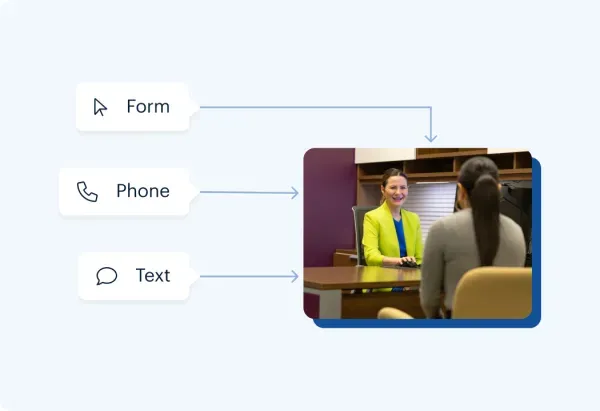
Contact Us 24/7 - It’s Free
Start your claim
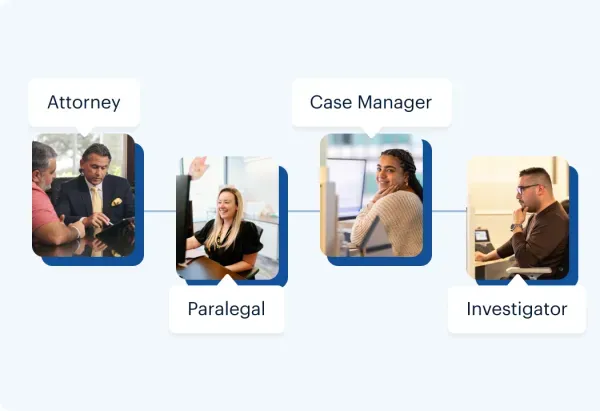
Meet your dedicated attorney
Meet the attorneys
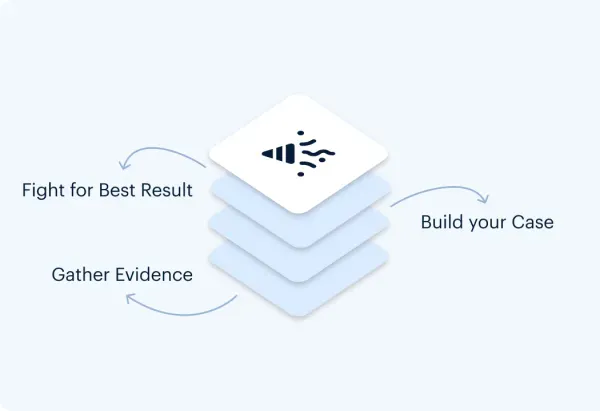
We fight for more
Learn more about the case process
Results may vary depending on your particular facts and legal circumstances. The attorneys shown in these photos may not be licensed in your state. To find an attorney licensed in your area, please visit our attorney page.
Local Care
Backed by America’s Largest Injury Law Firm.
- $35 BillionRecovered for clients
nationwide - 700,000+Clients and families
served - 1,100+Attorneys across
the country - 1Click may change your life
We know your pain.
John Morgan’s brother Tim was injured as a teen. Their experience with a lawyer was a nightmare. John spent 35 years building a firm to do better for families like his. And yours.

The attorney featured above is licensed in Florida. For a full list of attorneys in your state please visit our attorney page.
Results may vary depending on your particular facts and legal circumstances.
Learn More
Injured and not sure what to do next?
We'll guide you through everything you need to know.