Results may vary depending on your particular facts and legal circumstances. The attorney featured above is licensed in Florida. For a full list of attorneys in your state please visit our attorney page.
TITUSVILLE SOCIAL SECURITY DISABILITY ATTORNEY
Living with a disabling condition can limit your ability to work and earn a living. Social Security Disability benefits can provide critical financial stability, but many valid claims are denied. An attorney in Titusville can help you navigate the process and pursue benefits.
Results may vary depending on your particular facts and legal circumstances. The attorney featured above is licensed in Florida. For a full list of attorneys in your state please visit our attorney page.



















Titusville, FL Social Security Disability
Nearly everyone in the United States who has a job pays for Social Security Disability insurance; the program is funded by deductions from every paycheck. However, actually receiving these benefits if you become disabled may not be so easy.
Filing a claim can be complex and the odds of initially succeeding are not in your favor. The majority of initial applicants for Social Security Disability (SSDI) benefits are denied, and the number of denials has been trending upward. In 2017, nearly 70% of applicants were denied their initial claims, compared to around 60% in 2000.
After being denied, many applicants simply give up. But if you’ve been denied benefits, you should know that you still have options. There is an appeals process that can qualify you for disability benefits — and for your best chance of success, you should have an attorney on your side.
The Morgan & Morgan Titusville office can help. Whether you are filing an appeal or just starting out in the application process, we can navigate complex Social Security laws to help you receive the benefits you deserve. The consultation is free, and you never pay a fee unless we win your case.
To learn more, fill out our no-obligation case evaluation form and an attorney will research your claim and contact you.
150,000+ Five Star Reviews
The reasons why clients trust Morgan & Morgan.






Results may vary depending on your particular facts and legal circumstances. Based on select nationwide reviews.
What Is Social Security Disability?
Social Security Disability (SSD) is a federal benefits system administered by the Social Security Administration (SSA). It is designed to provide monthly financial support to people who are unable to work due to a serious, long-term medical condition.
To qualify, your condition must be expected to last at least 12 months or result in death, and it must prevent you from performing substantial gainful work. Disability benefits are not based on temporary injuries or short-term illnesses; they are meant to support individuals facing lasting limitations.
What types of Social Security Disability benefits are there?
Several different benefit programs exist, and eligibility depends on work history, age, income, and family circumstances.
Social Security Disability Insurance (SSDI)
SSDI is based on your work history and the Social Security taxes you paid while employed. To qualify, you must have earned enough work credits before becoming disabled. Monthly benefit amounts are tied to past earnings.
Supplemental Security Income (SSI)
SSI is a needs-based program for people with limited income and resources. A prior work history is not required, but strict financial limits apply. SSI benefits are set by federal standards.
Disabled Adult Child (DAC) Benefits
Adults who became disabled before age 22 may qualify for benefits based on a parent’s work record if that parent is retired, disabled, or deceased.
Disabled Widow or Widower (DWB) Benefits
In some cases, individuals over age 50 who become disabled within a certain period after a spouse’s death may qualify for survivor-based disability benefits.
Understanding which program or combination of programs applies to your situation is critical to avoiding delays or denials.
What medical conditions qualify for Social Security Disability?
The SSA evaluates disability claims using both a formal list of qualifying conditions and an individualized functional analysis. Many conditions may be eligible, including:
- Cancer and malignant diseases
- Neurological disorders such as stroke, traumatic brain injury, epilepsy, and Parkinson’s disease
- Musculoskeletal conditions involving the spine, joints, or limbs
- Autoimmune and immune system disorders like lupus, multiple sclerosis, and rheumatoid arthritis
- Respiratory illnesses such as emphysema or cystic fibrosis
- Endocrine disorders, including diabetes with complications
- Serious mental health conditions such as depression, bipolar disorder, anxiety disorders, schizophrenia, and PTSD
Even if your condition is not listed, you may still qualify if medical evidence shows it prevents sustained work activity.
How do I qualify for Social Security Disability benefits in Titusville?
Qualifying for Social Security Disability benefits is not based on a single factor. The SSA looks at the full picture of how your condition affects your ability to work and support yourself.
Eligibility generally depends on:
- The severity and expected duration of your condition, including whether it is expected to last at least 12 months or result in death
- Your ability to perform full-time work, not just your previous job, but any substantial work activity
- Your work history and earned credits, which are required for SSDI
- Your current income and financial resources, which are evaluated for SSI
- Medical evidence showing how your condition limits daily activities, job tasks, and functional abilities
Many people assume a diagnosis alone is enough, but that’s rarely the case. Claims are often denied not because someone doesn’t qualify, but because the application fails to clearly show how the medical condition prevents consistent, full-time work. Detailed medical records, clear timelines, and provider opinions that connect symptoms to real-world limitations are critical to a successful claim.
How long does the SSD approval process take in Florida?
The timeline varies. Initial applications can take several months, and appeals often take longer. Claims that require hearings before an Administrative Law Judge (ALJ) may take a year or more.
While delays are frustrating, rushing the process or submitting incomplete information often leads to denial. Careful preparation helps avoid unnecessary setbacks.
What should I do if my SSD application was denied?
A denial does not mean the process is over. In fact, many successful claims are approved during the appeals process. Florida follows a multi-step appeal structure:
- Reconsideration by a new claims examiner
- Administrative Law Judge hearing
- Appeals Council review
- Federal court review, if necessary
Each stage has strict deadlines. Missing one can end your claim.
Can I appeal a denied SSD claim without an attorney?
You can, but many applicants struggle to navigate hearings, evidence rules, and procedural requirements alone. Appeals often require medical opinions, vocational analysis, and careful presentation of evidence. Legal guidance helps ensure your case is fully developed and properly argued.
What types of evidence strengthen a Social Security Disability claim?
Strong claims are built on detailed, consistent medical evidence, including:
- Treatment records and diagnostic testing
- Physician opinions explaining work limitations
- Medication history and side effects
- Documentation of failed work attempts
- Statements describing daily functional limitations
The SSA places significant weight on medical support, not just diagnoses.
What are the most common reasons SSD claims are denied?
Most Social Security Disability denials aren’t about whether someone is truly disabled. They usually come down to paperwork, documentation gaps, or technical issues in the application itself.
Common reasons SSD claims are denied include:
- Incomplete or inconsistent applications, where key details about work history, symptoms, or daily limitations are missing or unclear
- Insufficient medical records, including gaps in treatment, outdated records, or a lack of objective findings supporting the diagnosis
- Inconsistent treatment history, which may lead the SSA to question the severity or persistence of the condition
- Failure to clearly prove work limitations, especially how symptoms interfere with full-time, sustained employment
- Earning income above allowable limits, which can automatically disqualify a claim, regardless of medical severity
Many of these issues are fixable, but timing matters. Addressing weaknesses early, before deadlines pass or appeals are missed, can make a significant difference in whether a claim succeeds on appeal.
Can I work while receiving Social Security Disability benefits?
Limited work may be allowed under specific income thresholds. However, exceeding those limits can jeopardize benefits or trigger denial. Even well-intentioned attempts to supplement income can raise red flags with the SSA, making careful planning essential.
How much does it cost to hire a Social Security Disability lawyer?
Social Security Disability cases are handled on a contingency fee basis, meaning you do not pay any upfront legal fees. Attorney fees are regulated by federal law and are only collected if benefits are successfully awarded.
This structure ensures that cost is never a barrier to pursuing disability benefits. At Morgan & Morgan, we believe everyone deserves access to strong legal representation, especially when health issues limit the ability to work or earn an income. You should not have to choose between protecting your rights and protecting your finances.
If your claim is successful, attorney fees are paid directly from a portion of past-due benefits, as approved by the Social Security Administration. If benefits are not awarded, you owe nothing for legal services. This approach allows individuals and families to pursue their claims with confidence and without added financial stress during an already difficult time.
Why should I hire Morgan & Morgan in Titusville?
Disability claims are technical, documentation-heavy, and unforgiving of mistakes. A local attorney understands how Florida claims are reviewed, how hearings are handled, and how to present evidence effectively.
At Morgan & Morgan, our Titusville Social Security Disability attorneys assist clients from initial applications through final appeals. We prepare claims carefully, manage deadlines, and advocate aggressively when benefits are unfairly denied.
If you’re unable to work due to a disabling condition, or if your claim has already been denied, you don’t have to navigate the system alone. A denial doesn’t mean it’s over.
Complete a free, no-obligation case evaluation today to learn how a Titusville Social Security Disability attorney can help you pursue the benefits you’ve earned.
Our Results
How It Works
Unsure what to do next? With 35 years of experience, our personal
injury lawyers will guide you every step of the way.
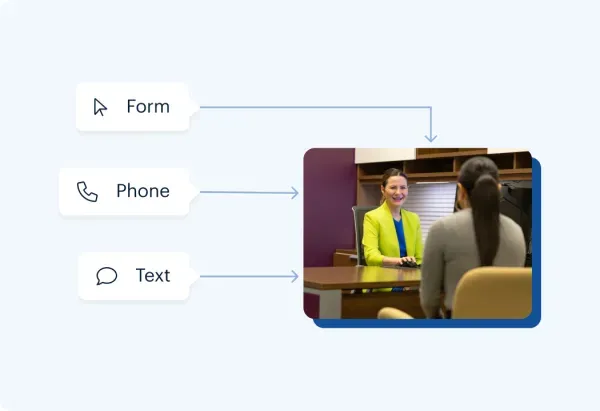
Contact Us 24/7 - It’s Free
Start your claim
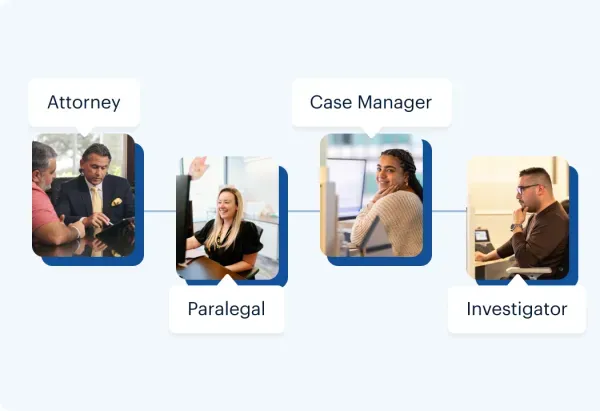
Meet your dedicated attorney
Meet the attorneys
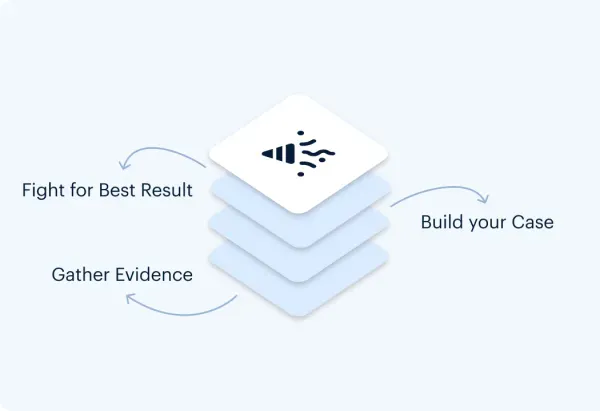
We fight for more
Learn more about the case process
Results may vary depending on your particular facts and legal circumstances. The attorneys shown in these photos may not be licensed in your state. To find an attorney licensed in your area, please visit our attorney page.
Local Care
Backed by America’s Largest Injury Law Firm.
- $30 BillionRecovered for clients
nationwide - 700,000+Clients and families
served - 1,000+Attorneys across
the country - 1Click may change your life
We know your pain.
John Morgan’s brother Tim was injured as a teen. Their experience with a lawyer was a nightmare. John spent 35 years building a firm to do better for families like his. And yours.

The attorney featured above is licensed in Florida. For a full list of attorneys in your state please visit our attorney page.
Results may vary depending on your particular facts and legal circumstances.
Learn More
Injured and not sure what to do next?
We'll guide you through everything you need to know.