Results may vary depending on your particular facts and legal circumstances. The attorney featured above is licensed in Florida. For a full list of attorneys in your state please visit our attorney page.
KEY WEST LABOR AND EMPLOYMENT LAWYERS
If your Key West workplace has become hostile, abusive, or unlawfully discriminatory, Morgan & Morgan can review your situation and advise on the best legal path forward for your circumstances. Morgan & Morgan reviews cases at no upfront cost.
Results may vary depending on your particular facts and legal circumstances. The attorney featured above is licensed in Florida. For a full list of attorneys in your state please visit our attorney page.




















When Work Stops Feeling Fair
Problems at work can quickly affect your income, health, and peace of mind. Discrimination, unpaid wages, harassment, or retaliation can leave employees feeling stressed, frustrated, and unsure how to protect themselves. In Key West, many workers face these challenges while trying to keep their jobs and support their families.
Florida and federal labor laws provide protections for employees, but enforcing those rights is rarely simple. Employers may deny wrongdoing, rely on complex policies, or use legal defenses to avoid accountability. Strict deadlines and procedural requirements can make it difficult to pursue a fair outcome without experienced legal guidance.
Contact Morgan & Morgan for a free case evaluation if your workplace rights were violated in Key West. Our attorneys are committed to standing up for employees, holding employers accountable, and helping you move forward with confidence and justice.
150,000+ Five Star Reviews
The reasons why clients trust Morgan & Morgan.






Results may vary depending on your particular facts and legal circumstances. Based on select nationwide reviews.
What are The Types of Employment Grievances?
There are many ways that an employer may mistreat you. Some of the most common employment cases we see include:
Workplace Discrimination
Numerous federal laws protect employees from workplace discrimination, such as:
Title VII of the Civil Rights Act of 1964 (Title VII)
Under Title VII, no employer can intentionally discriminate against someone due to their race, color, national origin, religion, or sex. Employers must also establish practices that protect employees from unintentional discrimination based on these factors. Examples of probable violations of Title VII include:
- Hiring only white workers for professional positions, despite having applicants of other races with similar qualifications
- Refusing to hire someone because they were born in Afghanistan
- A management board that consists of only men when there are qualified women who could hold the roles
- Firing someone for practicing a religion the employer disagrees with
- Passing a woman over for promotion because she’s pregnant
- Promoting a hostile work environment that encourages discriminatory actions against others
- Firing someone because they file a complaint alleging discrimination with the EEOC
Violations of Title VII are serious. The EEOC can impose penalties or pursue legal action against employers who violate the law.
Equal Pay Act of 1963
The Equal Pay Act of 1963 makes it illegal to pay someone differently based on sex if they handle similar duties.
For instance, suppose that a female employee handles marketing activities for a grocery store. She earns $60,000 per year and has two years of prior experience and a college degree in marketing.
The store hires a male employee with the same level of experience and training into a role with the same duties as the female. However, they offer him $75,000. The employer is likely in violation of the Equal Pay Act.
Age Discrimination in Employment Act of 1967
The Age Discrimination in Employment Act (ADEA) makes it illegal for an employer to engage in practices that discriminate against employees or job applicants based on their age. Examples of age discrimination include:
- Using age-discriminating language in an open job notice, like “Job available to those who aren’t over the hill.”
- Firing an employee close to retirement age and replacing them with a much younger worker with fewer skills
- Layoffs that eliminate most older workers in favor of a more youthful, cheaper workforce
Any actions an employer takes that appear to be driven by age discrimination are likely illegal.
Title I and Title V of the Americans With Disabilities Act
Under the Americans with Disabilities Act, employers cannot discriminate against someone due to their disability. As long as the employee can perform the primary duties of a role with reasonable accommodation, the employer cannot take adverse action against them.
For instance, consider an employee with a missing leg due to prior military service in the Marines. The individual can perform all of the functions of an office job, despite using a wheelchair.
The employer cannot decide to fire them because they can’t stand up to use the copy machine. Instead, they must make reasonable accommodations for the employee, like making modifications to the copy machine to make it more accessible.
Title II of the Genetic Information Nondiscrimination Act of 2008
Under the Genetic Information Nondiscrimination Act (GINA), it’s illegal to discriminate against employees or applicants due to their genetic history. The employer cannot ask the employee about their family health history unless they must do so for specific reasons, like applying for health insurance.
If the employer learns of an employee’s genetic history, they must keep the details private and cannot use the information when making employment decisions.
Sexual Harassment
Sexual harassment continues to be a problem at some workplaces, despite the laws against it. Sexual harassment includes asking for sexual favors or making unwelcome physical advances. Creating a sexually threatening or hostile environment is also an example of sexual harassment.
The law doesn’t prohibit offhand jokes or teasing unless they are ongoing and contribute to a negative working environment. Clearcut examples of sexual harassment include:
- Firing someone because they won’t go on a date with you
- Regular jokes of a sexual nature about an employee’s body
- Hiring someone with fewer qualifications than other applicants because they’re more attractive
Sexual harassment can make a workplace environment highly uncomfortable for the affected employee. It’s also not healthy for those who witness ongoing sexual harassment, even if employers don’t direct the comments toward them.
Wage Theft
Wage theft occurs when an employer fails to pay you what you’re owed. It can also happen when the employer fails to provide you benefits required under federal or state law.
Examples of wage theft include:
- Not paying employees the state minimum wage, which is $10 per hour or $6.98 per hour for tipped employees as of 2022
- Refusing to pay employees time-and-a-half for overtime
- Firing someone for taking unpaid leave guaranteed by the FMLA
Determining whether you’re a victim of wage theft can be difficult. Multiple laws concerning worker’s pay and specific exemptions may apply to your case. Labor and employment lawyers in Big Pine Key can help you determine whether your employer violated your rights.
Wrongful Termination
Under Florida law, an employer can fire an employee at any time and for any reason. However, federal law protects the rights of employees if an employer fires them under specific circumstances. For instance, an employer cannot fire you for:
- Filing a workers’ compensation claim
- Notifying the employer that you’re due unpaid wages
- Taking leave granted per the FMLA
- Becoming pregnant
- Reporting workplace discrimination to the EEOC
Other types of wrongful termination may apply to your case. If your employer's actions were illegal, labor and employment lawyers in Big Pine Key can review your claim and take appropriate steps toward compensation.
What to Do About Labor and Employment Violations?
If you’re the victim of a labor and employment dispute, you have a decision to make: you can file a claim against your employer, look for another job elsewhere, or remain in your current role and accept the mistreatment.
It’s usually best to file a claim against the employer. Doing so can put a stop to their unfair and unlawful behavior and protect other employees who may be less willing to stand up for themselves.
When filing a claim, you’ll want to assemble all the evidence you have concerning your employer’s violations. Keep copies of your pay stubs, emails, and job description. If the abuse is primarily verbal, start a journal documenting each negative comment, including what was said and any witnesses present.
Once you have your documentation, seek out labor and employment lawyers in Big Pine Key. The attorneys at Morgan & Morgan can review your evidence to identify the laws that your employer broke and begin formulating an appropriate legal strategy.
Compensation Available in a Labor and Employment Lawsuit?
The type and amount of compensation you stand to receive in a labor and employment lawsuit will depend on the severity of your employer’s infractions. For example, employees may collect:
- Lost wages for being fired under illegal circumstances
- Unpaid wages if the employer failed to pay you according to the law
- Emotional pain and suffering
- Liquidated damages, or double the amount of your lost income
- Punitive damages if the employer was highly negligent
- Cost of your attorney fees
Labor and employment lawyers in Big Pine Key can help calculate the extent of the compensation you may receive for your case.
Will My Case Go to Trial?
Not necessarily. In fact, most labor and employment cases resolve through settlement.
As part of a settlement agreement, your employer agrees to compensate you for your losses. The payment should be fair to you based on the circumstances of your case. If you decide to stay with the employer, they must take steps to ensure that no further employment violations occur.
If you can’t reach a satisfactory settlement agreement with your employer, Morgan & Morgan will happily take your case to court.
Should I File a Complaint With the EEOC?
You may choose to file a complaint with the EEOC. If you do so, the federal government will review your evidence and attempt to come to a resolution with your employer.
It's best to speak with a lawyer before filing a complaint. A qualified attorney can ensure that your evidence accords with federal regulations and presents you in an objective light.
What if My Employer Retaliates Against Me?
It’s illegal to retaliate against an employee who files a complaint with the EEOC or speaks to a lawyer concerning their working conditions. Examples of employer retaliation include:
- Firing the employee
- Moving the employee to another role with fewer responsibilities
- Making the employee work hours that conflict with their family responsibilities
- Reducing the worker’s wages
- Deliberately excluding the worker from everyday work activities
- Creating a hostile environment for the employee
If your employer takes any of these actions after you make a claim with the EEOC or file a lawsuit, they’re guilty of retaliation. Make sure you note their precise infractions, as they’ll give further credence to your claim.
How Long Will it Take for My Case to Resolve?
It depends. Some cases could resolve within a few months, especially if the employer is willing to settle. Others may end up going to trial. If your case goes to trial, it can take several years to conclude. A team of experienced labor and employment lawyers in Big Pine Key can advise you of the timeline for your claim.
Morgan & Morgan: Helping Employees Resolve Labor Disputes
Morgan and Morgan are known for filing the most labor and employment claims nationwide. We’ve helped thousands of individuals resolve their disputes with unfair employers, and we can help you, too.
Fill out our brief contact form to schedule your free case consultation. Our labor and employment lawyers in Big Pine Key can address your concerns and help you recover the compensation you’re due.
Our Results
How It Works
Unsure what to do next? With 35 years of experience, our personal
injury lawyers will guide you every step of the way.
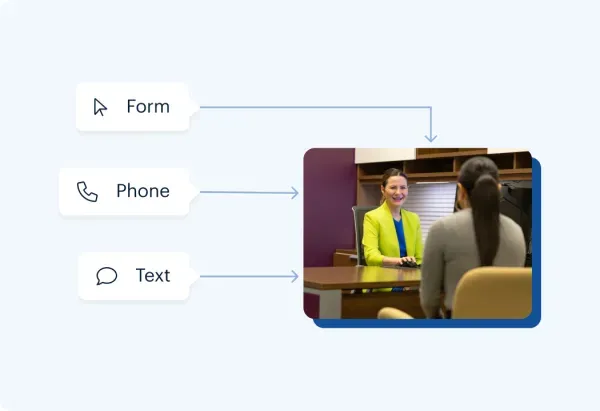
Contact Us 24/7 - It’s Free
Start your claim
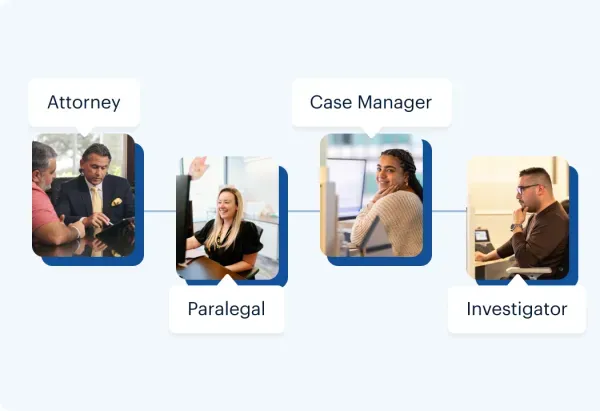
Meet your dedicated attorney
Meet the attorneys
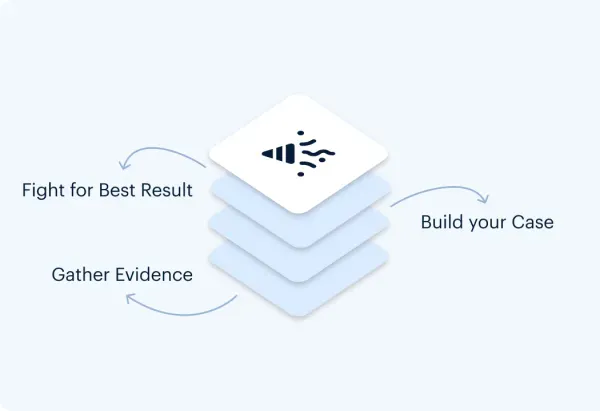
We fight for more
Learn more about the case process
Results may vary depending on your particular facts and legal circumstances. The attorneys shown in these photos may not be licensed in your state. To find an attorney licensed in your area, please visit our attorney page.
Local Care
Backed by America’s Largest Injury Law Firm.
- $30 BillionRecovered for clients
nationwide - 700,000+Clients and families
served - 1,000+Attorneys across
the country - 1Click may change your life
We know your pain.
John Morgan’s brother Tim was injured as a teen. Their experience with a lawyer was a nightmare. John spent 35 years building a firm to do better for families like his. And yours.

The attorney featured above is licensed in Florida. For a full list of attorneys in your state please visit our attorney page.
Results may vary depending on your particular facts and legal circumstances.
Learn More
Injured and not sure what to do next?
We'll guide you through everything you need to know.