Results may vary depending on your particular facts and legal circumstances. The attorney featured above is licensed in Florida. For a full list of attorneys in your state please visit our attorney page.
WORKERS' COMPENSATION LAWYER IN PALM HARBOR
When you’re hurt on the job in Palm Harbor, workers’ compensation benefits are meant to provide medical care and wage support while you recover. Unfortunately, many injured workers discover that getting those benefits isn’t always as straightforward as it should be.
Results may vary depending on your particular facts and legal circumstances. The attorney featured above is licensed in Florida. For a full list of attorneys in your state please visit our attorney page.




















When a Workplace Injury Threatens Your Financial Future
A workplace injury can create challenges that extend well beyond the job site. Medical treatment, lost wages, physical limitations, and uncertainty about returning to work can place tremendous stress on injured workers and their families. In Palm Harbor, employees often find themselves trying to recover while navigating Florida's workers' compensation system and responding to insurance company disputes.
Although workers' compensation is intended to provide medical benefits and wage replacement, claims are frequently delayed, denied, or contested. Employers and insurance carriers may challenge whether an injury occurred on the job, question recommended treatment, or dispute the extent of a worker's disability.
Contact Morgan & Morgan for a free case evaluation if you were injured at work in Palm Harbor. Our attorneys are committed to helping workers pursue the benefits and support they deserve.
- 700,000+ clients Chose Morgan & Morgan Nationwide.
- $0 upfront Only pay if we win.
- Available 24/7 Get help anytime.
Workers’ Compensation Cases in Palm Harbor Need Three Things
A Work-Related Injury or Illness
Coverage Through Your Employment
The Injury Was Reported and the Claim Was Filed on Time
Talk to Our Team at No Cost
150,000+ Five Star Reviews
The reasons why clients trust Morgan & Morgan.






Results may vary depending on your particular facts and legal circumstances. Based on select nationwide reviews.
How does workers’ compensation work in Florida?
Florida’s workers’ compensation system is designed to protect employees who suffer job-related injuries or illnesses. Whether you’re a nurse, teacher, construction worker, warehouse employee, or truck driver, accidents can happen in any workplace.
Most employers are required to carry workers’ compensation insurance, which generally covers medical care and a portion of lost wages without requiring the injured worker to prove fault. In exchange, employees typically give up the right to sue their employer directly.
While the system is meant to simplify recovery, insurance companies and employers don’t always make the process easy. Claims may be delayed, injuries disputed, or workers pressured to return before they’re ready. When that happens, experienced legal guidance can make a meaningful difference.
What deadlines apply to workers’ compensation claims in Florida?
Timing plays an important role in workers’ compensation cases. Injured workers are expected to notify their employer within a reasonable period after a work-related injury or after discovering a condition linked to their job. Waiting too long can put benefits at risk.
There are also limits on how long workers have to pursue additional action if benefits are delayed, reduced, or denied. Because these rules can vary based on the circumstances, acting early helps protect your rights and strengthens your claim.
What steps should I take immediately after a work injury in Palm Harbor?
After a workplace accident, your health should always come first. Taking the right steps early can help protect both your recovery and your workers’ compensation claim.
Get medical care as soon as possible.
Even injuries that seem minor can become more serious over time. Seeking prompt medical attention helps address hidden injuries and creates early documentation connecting your condition to the workplace accident.
Notify your employer about the injury.
Let your employer know what happened, where it occurred, and when it took place. Clear communication helps avoid confusion later and establishes that the injury is work-related.
Document the incident while the details are fresh.
Write down what happened, take photos of the scene or equipment involved if you can, and note the names of any coworkers who witnessed the accident. These details may matter if the claim is questioned.
Pay attention to how your employer responds.
If an employer downplays your injury, discourages treatment, or delays reporting the accident, that can be a red flag. Employers are expected to report workplace injuries to their insurance carrier.
Protect yourself if the injury isn’t reported.
When an employer fails to report an injury, injured workers still have options to document what happened and pursue benefits. Acting early can help preserve your rights and strengthen your claim.
What types of workplace injuries are common in Palm Harbor?
Workplace injuries in Palm Harbor affect workers across many industries, and they don’t always look the same from one job to the next. Some of the most common injuries include:
- Slip and fall injuries: Wet floors, uneven surfaces, poor lighting, or cluttered work areas can lead to falls that cause broken bones, head injuries, or soft-tissue damage. These accidents often happen in retail, healthcare, hospitality, and office settings.
- Repetitive stress and overuse injuries: Jobs that require frequent lifting, typing, bending, or standing can gradually strain muscles and joints. Over time, this may lead to conditions affecting the wrists, shoulders, knees, or lower back, even without a single traumatic event.
- Lifting and back injuries: Improper lifting techniques, heavy loads, or sudden movements can cause herniated discs, muscle tears, or chronic back pain. These injuries are common in warehouses, construction, healthcare, and delivery work.
- Construction and industrial accidents: Falls from heights, equipment malfunctions, and machinery-related injuries pose serious risks on construction sites and industrial job sites. These incidents can result in severe trauma and long recovery periods.
- Vehicle-related workplace accidents: Employees who drive for work or operate vehicles on job sites may be injured in crashes, loading accidents, or traffic-related incidents while performing job duties.
- Delayed or hidden injuries: Some workplace injuries aren’t immediately obvious. Back injuries, joint damage, and certain occupational illnesses may worsen over time, with symptoms appearing days or weeks later. Early reporting and medical evaluation can be critical in these cases.
What benefits are covered under Florida workers’ compensation?
Workers’ compensation benefits depend on the nature of your injury and how it affects your ability to work. While every case is different, Florida workers’ compensation may provide several types of support:
- Medical Benefits: Coverage may include emergency care, hospital stays, doctor visits, diagnostic testing, surgery, physical therapy, rehabilitation, prescription medications, and certain travel expenses related to approved treatment.
- Temporary Total Disability (TTD) Benefits: These benefits may apply when a work injury prevents you from working at all for a period of time. Wage replacement is intended to help cover a portion of your lost income while you recover and remain unable to return to work.
- Temporary Partial Disability (TPD) Benefits: If you can return to work but can’t earn the same wages due to medical restrictions or reduced hours, temporary partial disability benefits may help make up part of the difference.
- Permanent Disability or Impairment Benefits: When a workplace injury results in lasting physical limitations or impairment, additional benefits may be available based on the severity and long-term impact of the injury.
- Death Benefits for Surviving Family Members: In fatal workplace accidents, workers’ compensation may provide benefits to eligible family members, including funeral and burial expenses and financial support for dependents.
Workers’ compensation benefits are designed to provide financial stability and medical care during recovery, but disputes over eligibility and coverage are common, especially in serious injury cases.
How are lost wages calculated in workers’ compensation?
Florida workers’ compensation does not replace full income. Most wage benefits are calculated as a percentage of your average weekly wage before the injury. Disputes often arise over wage calculations, particularly when workers have fluctuating hours, multiple jobs, or recent pay changes.
Incorrect wage calculations can significantly reduce benefits, which is why careful review of wage records is critical.
Why do many Florida workers’ compensation claims get denied?
Workers’ compensation claims are often denied for reasons that have little to do with whether the injury actually occurred. Common denial reasons include late reporting, disputes over whether the injury is work-related, lack of medical documentation, or claims that the injury was pre-existing.
Insurance companies may also question the severity of injuries or argue that treatment is unnecessary. A denial doesn’t mean the end of your case, but it does mean you may need to take additional steps.
What should I do if my employer disputes my work injury?
If your employer claims your injury didn’t happen at work or suggests it’s unrelated to your job duties, documentation becomes essential. Medical records, witness statements, and accident reports can help establish the connection between your work and your injury.
Disputes are common, especially in cases involving repetitive stress injuries or conditions that worsen over time. These situations often require careful legal and medical analysis.
Can my employer retaliate for filing a workers’ compensation claim?
Retaliation is illegal under Florida law. Employers are prohibited from firing, demoting, harassing, or otherwise punishing employees for reporting a workplace injury or filing a workers’ compensation claim.
Unfortunately, retaliation still happens. Subtle changes to schedules, job duties, or workplace treatment can sometimes signal improper conduct. Workers who believe they’re being retaliated against may have additional legal protections.
Do independent contractors qualify for workers’ compensation in Palm Harbor?
Independent contractor classification is one of the most common areas of confusion. Some workers are labeled as independent contractors even though they function as employees under the law.
Misclassification can impact eligibility for workers’ compensation benefits. Determining whether you qualify depends on factors such as job control, payment structure, and the nature of your work relationship.
Can I see my own doctor for a work injury?
In most Florida workers’ compensation cases, treatment must be provided by authorized medical providers selected by the insurance carrier. Seeing an unauthorized doctor without approval may result in denied coverage for treatment costs.
Medical evaluations play a critical role in workers’ compensation cases, influencing treatment decisions, work restrictions, and benefit eligibility.
How long does it take to receive workers’ compensation benefits?
Timelines vary. Some workers receive benefits quickly, while others experience delays due to disputes, paperwork issues, or medical evaluations. Insurance companies may take time to investigate claims before approving wage benefits.
Delays can be financially stressful, especially when medical bills and household expenses continue to pile up. An experienced attorney may be able to help move the process along quickly.
How do I appeal a denied workers’ compensation claim in Florida?
A denied claim can often be appealed through Florida’s workers’ compensation system. Appeals may involve mediation, hearings, and additional medical evaluations.
Understanding deadlines and procedural requirements is critical during the appeal process. Missing a step can affect your ability to recover benefits.
What if a third party caused my workplace injury?
Workers’ compensation generally covers injuries regardless of fault, but some workplace accidents involve third parties, such as negligent drivers, contractors, or equipment manufacturers.
In these situations, you may be able to pursue a separate third-party personal injury claim in addition to workers’ compensation benefits. These cases can provide additional recovery beyond what workers’ compensation alone allows.
How can a workers’ compensation attorney help?
When workers’ compensation claims become complicated, legal guidance can help protect your rights. An attorney may review your claim, ensure paperwork is complete, challenge improper denials, and guide you through appeals or hearings.
In some cases, legal help is essential to address retaliation, misclassification, or third-party liability issues that go beyond standard workers’ comp claims.
Why should I choose Morgan & Morgan in Palm Harbor?
For 35 years, Morgan & Morgan has represented injured workers across Florida in complex workers’ compensation claims. These cases often involve serious injuries, delayed benefits, or disputes that require careful documentation and persistence.
If you were hurt on the job in Palm Harbor, you don’t have to navigate the workers’ compensation system alone. A brief, no-obligation case review can help clarify your options and next steps.
There are no upfront costs, and legal fees are only paid if compensation is recovered. The Fee Is Free®.
Our Results
How It Works
Unsure what to do next? With 35 years of experience, our personal
injury lawyers will guide you every step of the way.
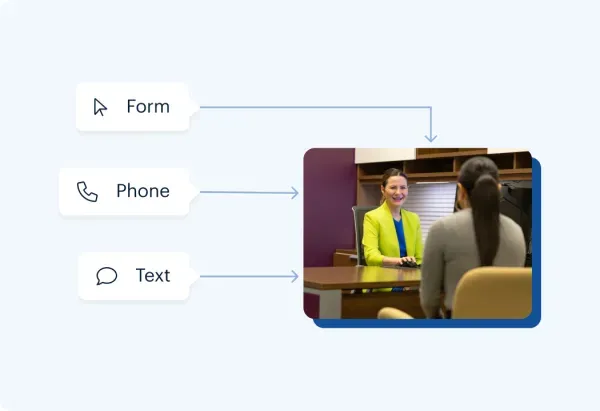
Contact Us 24/7 - It’s Free
Start your claim
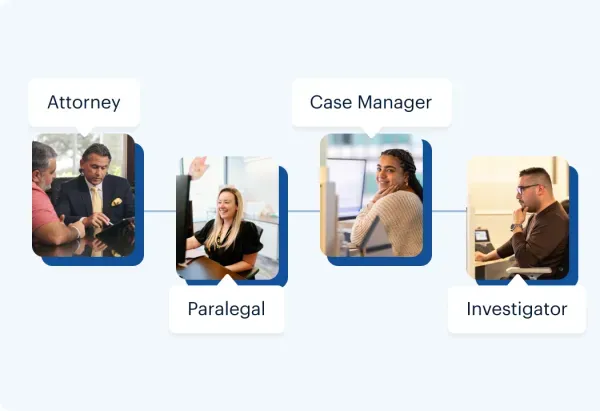
Meet your dedicated attorney
Meet the attorneys
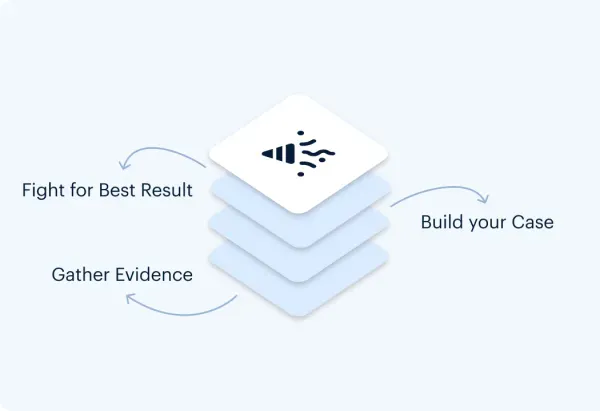
We fight for more
Learn more about the case process
Results may vary depending on your particular facts and legal circumstances. The attorneys shown in these photos may not be licensed in your state. To find an attorney licensed in your area, please visit our attorney page.
Local Care
Backed by America’s Largest Injury Law Firm.
- $35 BillionRecovered for clients
nationwide - 700,000+Clients and families
served - 1,100+Attorneys across
the country - 1Click may change your life
We know your pain.
John Morgan’s brother Tim was injured as a teen. Their experience with a lawyer was a nightmare. John spent 35 years building a firm to do better for families like his. And yours.

The attorney featured above is licensed in Florida. For a full list of attorneys in your state please visit our attorney page.
Results may vary depending on your particular facts and legal circumstances.
Learn More
Injured and not sure what to do next?
We'll guide you through everything you need to know.