Results may vary depending on your particular facts and legal circumstances. The attorney featured above is licensed in Florida. For a full list of attorneys in your state please visit our attorney page.
WORKERS' COMPENSATION LAWYER IN ST. PETERSBURG
Work injuries can disrupt every part of your life. Medical bills add up, paychecks stop, and the workers’ compensation system can feel overwhelming. We help injured workers in St. Petersburg pursue the medical care and wage benefits Florida law provides.
Results may vary depending on your particular facts and legal circumstances. The attorney featured above is licensed in Florida. For a full list of attorneys in your state please visit our attorney page.




















When a Workplace Injury Threatens Your Financial Security
Getting hurt at work can create immediate uncertainty about your health, paycheck, and ability to support your family. Medical treatment may keep you from returning to your regular duties, while physical restrictions or permanent injuries can affect your earning capacity far into the future. In St. Petersburg, injured employees may also have to navigate a complicated workers’ compensation process while they are still focused on recovering.
Workers’ compensation disputes can involve whether an injury is work-related, what medical treatment is authorized, when an employee can return to work, or what wage benefits should be paid. Insurance carriers may delay or challenge benefits even when a worker believes the claim should be straightforward.
Contact Morgan & Morgan for a free case evaluation if you were injured at work in St. Petersburg. Our attorneys are committed to helping workers pursue the benefits and support available to them.
- 700,000+ clients Chose Morgan & Morgan Nationwide.
- $0 upfront Only pay if we win.
- Available 24/7 Get help anytime.
Workers’ Compensation Cases in St. Petersburg Need Three Things
A Work-Related Injury or Illness
Coverage Through Your Employment
The Injury Was Reported and the Claim Was Filed on Time
Talk to Our Team at No Cost
150,000+ Five Star Reviews
The reasons why clients trust Morgan & Morgan.






Results may vary depending on your particular facts and legal circumstances. Based on select nationwide reviews.
What is workers’ compensation in Florida?
Workers’ compensation is a no-fault insurance system designed to provide benefits to employees who are injured or become ill because of their jobs. In most cases, you do not need to prove that your employer did anything wrong; only that your injury is work-related.
Benefits may include medical treatment, partial wage replacement, and disability benefits. However, claims are frequently delayed, undervalued, or denied, leaving injured workers without income or care when they need it most.
What types of injuries are covered by workers’ compensation in Florida?
Florida workers’ compensation laws cover a wide range of job-related injuries and illnesses, including:
- Traumatic injuries, such as fractures, head injuries, back injuries, and spinal damage
- Repetitive stress injuries, including carpal tunnel syndrome or joint deterioration
- Occupational illnesses, such as lung disease, hearing loss, or chemical exposure
- Burns and electrical injuries
- Aggravation of pre-existing conditions caused by work duties
Even injuries that develop over time, not just sudden accidents, may qualify for benefits.
What benefits can I receive through Florida workers’ compensation?
Florida workers’ compensation is designed to provide financial and medical support while you recover from a work-related injury. Depending on the nature and severity of your condition, available benefits may include:
- Medical care related to your injury, including doctor visits, hospitalization, surgery, physical therapy, prescriptions, diagnostic testing, and necessary medical devices. These benefits are intended to cover both immediate treatment and ongoing care tied to your recovery.
- Wage replacement benefits if your injury prevents you from working or limits the type or amount of work you can perform. These benefits typically replace a portion of your average weekly wages while you are unable to earn your normal income.
- Disability benefits, which may be classified as temporary or permanent, and partial or total, depending on whether your injury is expected to heal and how it affects your long-term ability to work.
- Vocational rehabilitation services if your injury prevents you from returning to your previous job. These benefits may help with job training, education, or placement into a new line of work that accommodates your limitations.
In many cases, disputes arise over the scope, duration, or value of these benefits. If the compensation offered does not reflect the true impact of your injury on your health, income, or future earning ability, legal action may be necessary to protect your rights.
What’s the difference between temporary and permanent disability benefits?
Workers’ compensation benefits vary based on how long your injury affects your ability to work:
- Temporary Total Disability (TTD): When you cannot work at all during recovery
- Temporary Partial Disability (TPD): When you can work with restrictions but earn less
- Permanent Partial Disability (PPD): When a lasting impairment remains
- Permanent Total Disability (PTD): When you are unable to return to any gainful employment
The classification of your injury has a major impact on long-term compensation.
How long do I have to report a workplace injury in St. Petersburg?
Florida law requires injured workers to notify their employer of a work-related injury within a limited window. Failing to report an injury promptly can raise questions about whether the injury is work-related and may give insurers an excuse to delay, dispute, or deny benefits.
Even if symptoms seem minor at first, reporting the injury as soon as possible helps protect your claim. Early notice allows medical treatment to be authorized, creates a clear record of when and how the injury occurred, and reduces the risk that employers or insurers will challenge the legitimacy of the claim later.
Because delays are often used against injured workers, acting early is one of the most effective ways to preserve your rights under Florida’s workers’ compensation system.
How are wage replacement benefits calculated in Florida?
Wage replacement benefits are generally based on a percentage of your average weekly wage. The exact amount depends on your income history, work status, and medical restrictions.
Disputes often arise over how wages are calculated or whether benefits reflect actual earning capacity.
Do I have to see a doctor chosen by my employer’s insurance?
In most cases, yes. Under Florida’s workers’ compensation system, the employer’s insurance carrier typically has the right to select the treating physician, especially at the beginning of a claim. This doctor is responsible for overseeing your care and determining work restrictions, treatment plans, and return-to-work status.
However, injured workers are not without options. If treatment is delayed, denied, or clearly inadequate, disputes can arise. In certain situations, you may be able to request a different authorized provider or challenge medical decisions that don’t reflect the true extent of your injury.
Because medical opinions play a major role in benefit decisions, ensuring that your treatment is appropriate and properly documented is critical. When care concerns arise, legal guidance can help protect both your health and your claim.
Can my employer retaliate if I file a workers’ compensation claim?
No. Florida law prohibits employers from retaliating against workers for reporting a workplace injury or filing a workers’ compensation claim. Employees have a legal right to seek benefits, and exercising that right should not result in punishment.
Retaliation can take many forms, including termination, demotion, reduced hours, unfavorable schedule changes, harassment, or intimidation after an injury is reported. In some cases, retaliation may be subtle, such as sudden disciplinary write-ups or pressure to return to work before medically cleared.
If retaliation occurs, injured workers may have additional legal remedies beyond their workers’ compensation claim. Addressing these issues promptly can help protect both your job and your long-term financial security.
What happens if my workers’ compensation claim is denied?
Denied claims are common and often appealable. Insurers may argue injuries weren’t work-related, were pre-existing, or lacked sufficient documentation.
Appeals must follow strict procedures and deadlines. Missing one step can permanently affect your claim.
How long does it take to resolve a workers’ compensation case?
There is no single timeline for a workers’ compensation case. How long it takes depends on several factors, including the severity of the injury, how long medical treatment lasts, and whether the insurance company accepts or disputes the claim.
Some cases resolve relatively quickly when injuries are straightforward, and benefits are paid without dispute. Others take longer if ongoing medical care is needed, work restrictions change over time, or disagreements arise over disability status, wage benefits, or return-to-work issues. Cases involving permanent impairment or appeals typically require additional time and documentation.
Because delays and disputes are common, having proper documentation and legal guidance can help move a claim forward and prevent unnecessary setbacks.
Can I file a lawsuit against a third party after a workplace accident?
Yes, sometimes. While workers’ compensation generally prevents lawsuits against employers, third-party claims may be possible if someone outside your workplace contributed to your injury.
Examples include:
- Negligent drivers
- Equipment manufacturers
- Contractors or subcontractors
Third-party claims can significantly increase total compensation.
How do pre-existing conditions affect workers’ compensation claims?
Having a pre-existing condition does not automatically disqualify you from receiving workers’ compensation benefits. Florida law recognizes that many workers enter their jobs with prior injuries, chronic conditions, or degenerative issues.
If a workplace accident or repetitive job duties aggravated, accelerated, or worsened a pre-existing condition, you may still be entitled to benefits. The key issue is whether the work activity contributed to the current need for medical care or caused new limitations beyond your prior condition.
Insurance companies often argue that symptoms are “just part of an old injury” to deny or reduce benefits. That’s why detailed medical records, clear timelines, and physician opinions linking your condition to work activities are especially important in these cases.
Can undocumented workers file workers’ compensation claims in Florida?
Yes. Immigration status does not eliminate workers’ compensation rights in Florida. Undocumented workers are still entitled to medical care and wage benefits for work-related injuries.
How are workers’ compensation settlements calculated?
Workers’ compensation settlements are not one-size-fits-all. They’re calculated by weighing several factors that reflect both the current and future impact of your injury, including:
- Medical evidence, such as diagnoses, treatment history, and long-term prognosis
- Disability ratings, which assess permanent limitations or impairment
- Future medical care needs, including therapy, medications, or potential surgeries
- Earning capacity, especially if your injury limits the type or amount of work you can perform
- Likelihood of returning to work, either in your prior role or in any capacity
Insurance carriers often push for early settlements to close claims quickly, sometimes before the full extent of an injury is known. Once a settlement is finalized, future benefits are usually waived, which is why careful evaluation is critical before accepting any offer.
Why are workers’ compensation claims often denied or undervalued?
Workers’ compensation claims are frequently denied or minimized, not because the injury isn’t real, but because insurers are focused on limiting payouts. Some of the most common tactics include:
- Arguing the injury isn’t work-related, especially if symptoms developed gradually or weren’t immediately reported
- Downplaying the severity of the injury or questioning whether certain treatments are medically necessary
- Pointing to pre-existing conditions to suggest the injury existed before the workplace incident
- Delaying approvals for medical care, wage benefits, or disability ratings in hopes that workers will give up
These strategies can leave injured workers without care or income when they need it most. Legal advocacy helps push back against improper denials, demand timely benefits, and ensure claims reflect the true impact of a workplace injury.
Why should I choose Morgan & Morgan for a workers’ compensation claim in St. Petersburg?
Workers’ compensation claims aren’t just paperwork; they affect your livelihood, health, and future. Morgan & Morgan represents injured workers with the resources, experience, and determination that insurers respect.
- 35 years of experience
- Trial-ready resources when benefits are disputed
- No upfront costs — The Fee Is Free®
- Dedicated legal and care teams focused on your recovery
- You focus on healing. We handle the fight.
With $35 recovered for our clients, fill out a free case evaluation today and find out if we can fight for you.
Our Results
How It Works
Unsure what to do next? With 35 years of experience, our personal
injury lawyers will guide you every step of the way.
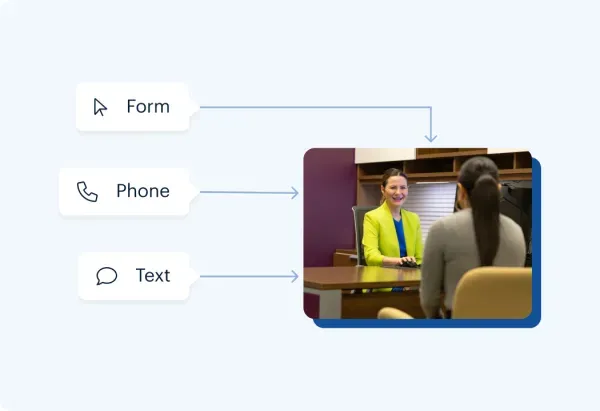
Contact Us 24/7 - It’s Free
Start your claim
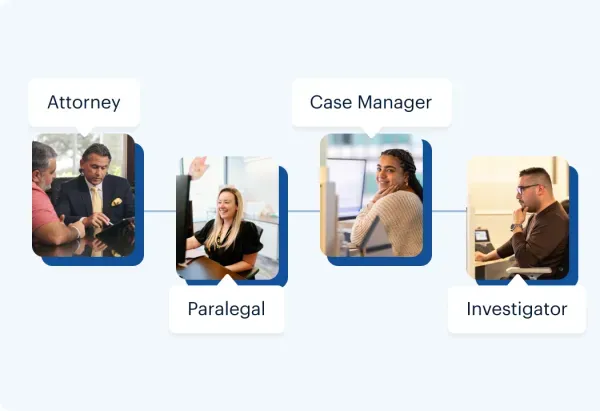
Meet your dedicated attorney
Meet the attorneys
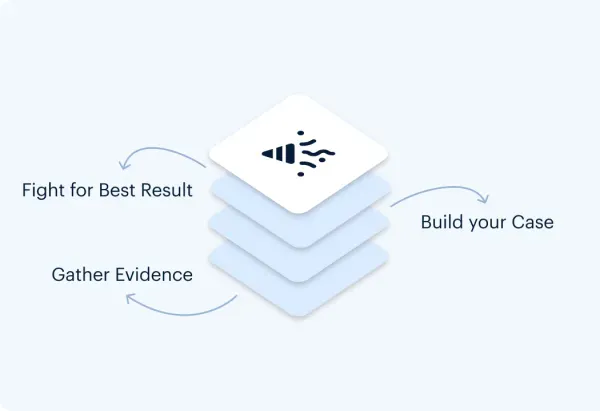
We fight for more
Learn more about the case process
Results may vary depending on your particular facts and legal circumstances. The attorneys shown in these photos may not be licensed in your state. To find an attorney licensed in your area, please visit our attorney page.
Local Care
Backed by America’s Largest Injury Law Firm.
- $35 BillionRecovered for clients
nationwide - 700,000+Clients and families
served - 1,100+Attorneys across
the country - 1Click may change your life
We know your pain.
John Morgan’s brother Tim was injured as a teen. Their experience with a lawyer was a nightmare. John spent 35 years building a firm to do better for families like his. And yours.

The attorney featured above is licensed in Florida. For a full list of attorneys in your state please visit our attorney page.
Results may vary depending on your particular facts and legal circumstances.
Learn More
Injured and not sure what to do next?
We'll guide you through everything you need to know.