Results may vary depending on your particular facts and legal circumstances. The attorney featured above is licensed in Florida. For a full list of attorneys in your state please visit our attorney page.
CAR ACCIDENT LAWYER IN ALABAMA
A car accident can change everything in seconds. From Birmingham highways to city streets, crashes bring injuries, medical bills, and lost income. If you were hurt, understanding your rights under Alabama law is the first step toward recovery.
Results may vary depending on your particular facts and legal circumstances. The attorney featured above is licensed in Florida. For a full list of attorneys in your state please visit our attorney page.



















How to File a Car Accident Claim in Alabama
Your priority after an Alabama car accident should be your safety and health. If possible, move out of traffic, contact emergency services, and have any injuries examined by a medical professional. Alabama drivers must promptly notify law enforcement when a collision results in injury or death, and an official crash report may later become important evidence.
Before leaving the scene, gather as much information as circumstances safely allow. Exchange names, contact details, driver’s license information, vehicle information, and insurance details with the other driver. Photographs of the damage, surrounding roadway, traffic controls, debris, and injuries can help document the collision. It is also helpful to collect statements or contact information from witnesses.
Once the immediate situation is under control, report the accident to your insurer and begin organizing records related to the claim. Alabama follows a fault-based system, meaning the driver responsible for the crash may be liable for the resulting losses. Save medical bills, treatment records, repair estimates, proof of missed income, receipts, the police report, and all communications with the insurance companies. Avoid speculating about fault or accepting an early settlement before the full impact of the accident is clear.
Be mindful that strict deadlines may apply to car accident claims. Because the time available can vary depending on the circumstances, taking action promptly can help protect your right to pursue compensation. Speaking with an attorney may make sense when liability is unclear, the injuries are significant, several parties may share responsibility, or the insurance company disputes or minimizes the claim. Morgan & Morgan can evaluate the circumstances and help you determine how to proceed.
- 700,000+ clients Chose Morgan & Morgan Nationwide.
- $0 upfront Only pay if we win.
- Available 24/7 Get help anytime.
Car Accident Cases in Alabama Need Three Things
There Were Damages
Someone Else Was at Fault
There’s Enough Insurance Coverage
Get a Free Case Evaluation
150,000+ Five Star Reviews
The reasons why clients trust Morgan & Morgan.






Results may vary depending on your particular facts and legal circumstances. Based on select nationwide reviews.
How do I know if I have a car accident claim in Alabama?
Knowing whether you have a valid car accident claim in Alabama usually depends on a few core factors. First, there must be real damages tied to the crash. These can include medical bills, lost income, ongoing treatment needs, pain and suffering, and other ways the accident has disrupted your life.
Fault is also critical. Alabama car accident claims generally require showing that another driver acted negligently, such as by speeding, driving distracted, failing to yield, or driving while impaired, and that this conduct caused the collision and your injuries.
Insurance coverage matters as well. Most car accident claims are resolved through insurance, not directly against individuals. Identifying all available coverage, including multiple policies or additional responsible parties, can significantly affect what compensation may be available.
It’s common to feel uncertain in the early days after a crash, especially while waiting on medical evaluations or the police report. Taking steps to preserve evidence and avoid early mistakes can help protect your claim as the full picture becomes clear.
What should I do immediately after a car accident in Alabama?
In the moments following a car accident, it helps to focus on three priorities: safety, documentation, and medical care.
Start by calling 911 and requesting medical assistance if anyone is injured. Even injuries that seem minor can become serious, so it’s better to err on the side of caution. If it’s safe to do so, move vehicles out of traffic to prevent further collisions and turn on hazard lights.
Always request a police response, even if the crash seems minor. An official accident report can become one of the most important pieces of evidence later, especially if fault is disputed or injuries worsen over time.
Document the scene as thoroughly as possible. Take photos and videos of vehicle positions, damage, skid marks, debris, traffic signals, road conditions, weather, lighting, and any visible injuries. These details can change quickly once vehicles are moved or towed.
Exchange basic information with the other driver, including names, contact details, insurance information, license plate numbers, and driver’s license information. Be polite, but avoid discussing who caused the accident or making speculative statements.
If there are witnesses, ask for their names and contact information. Independent accounts can be extremely helpful if the facts of the crash are later questioned.
Even if you feel fine, seek medical evaluation as soon as possible. Injuries such as concussions, soft tissue damage, or internal injuries may not show symptoms right away. Early medical records help protect both your health and any future claim.
What evidence should I collect at the scene of a car accident in Alabama?
If it’s safe to do so, focus on preserving clear, visual evidence before vehicles are moved or conditions change.
This may include photos or videos of all vehicles involved, both close-up and wide-angle, as well as road conditions like lane markings, traffic signs, weather, lighting, skid marks, debris, and fluid on the roadway. These details can be critical when the fault is later questioned.
Take photos of any visible injuries, even if they seem minor. Bruising and swelling often develop over time, and early images help establish a timeline.
If there are witnesses, collect their names and contact information. You should also exchange insurance and driver’s license information with the other driver.
In crashes involving rideshare drivers, delivery vehicles, or commercial trucks, note the company name, app status, or DOT number if visible.
If you’re injured or shaken, do what you reasonably can and ask a passenger or bystander for help. Your safety comes first.
What role does medical documentation play in my claim?
Medical documentation is one of the most important pillars of a strong claim because it:
- Links the crash to your injuries (causation)
- Tracks symptoms over time (especially those that worsen)
- Supports treatment needs and future care
- Helps quantify damages (bills, limitations, disability, missed work)
In Alabama, where fault disputes can become aggressive, detailed medical records also help counter the “you weren’t really hurt” narrative. If you delay care, insurers often argue your injuries weren’t serious or weren’t from the crash.
Can I file a car accident claim if I wasn’t wearing a seatbelt in Alabama?
Often, yes. Alabama law specifically says failure to wear a seat belt is not considered evidence of contributory negligence and should not limit an insurer’s liability.
That said, insurers may still try to argue your injuries would have been less severe if you were buckled. This becomes very fact-specific and heavily dependent on medical records and crash dynamics. It’s also one reason documentation and careful communication matter.
How is fault determined in multi-vehicle accidents in Alabama?
Multi-vehicle accidents often involve complex questions of liability. Determining fault typically requires a careful review of multiple forms of evidence, including police reports and crash diagrams, vehicle damage patterns and points of impact, witness statements, and available traffic or business surveillance footage.
In some cases, additional evidence, such as cell phone records or data from a vehicle’s event data recorder, may be reviewed. When liability is disputed, accident reconstruction experts may be used to analyze how the collision occurred and which actions contributed to the chain of events.
Because Alabama follows a contributory negligence standard, these investigations are especially important. Insurance companies may attempt to assign even a small portion of fault to an injured party in order to limit or deny recovery, making a thorough and well-documented analysis essential.
How does Alabama’s contributory negligence rule affect my case?
Alabama’s contributory negligence rule can make car accident claims especially challenging. If an insurer can argue that you played even a small role in causing the crash, they may try to block recovery altogether. If you are found to be even 1% at fault, you may be barred from recovering compensation altogether.
For example, if another driver clearly caused a crash and your damages total $100,000, you may be able to pursue the full amount if you are found completely free of fault. But if the insurer successfully argues that you were even slightly responsible, such as driving a few miles over the speed limit or not reacting quickly enough, they may argue that you are not entitled to recover anything at all.
This is why insurance companies often focus less on what their driver did wrong and more on trying to assign some portion of blame to the injured person. Strong evidence, clear documentation, and consistent records can be critical to protecting a claim under Alabama law.
Can I recover damages for emotional distress after a car accident?
Emotional distress can be part of a broader injury claim, especially when tied to physical injuries and documented symptoms like anxiety, panic, sleep disruption, depression, or PTSD. Practical proof can include therapy notes, prescriptions, primary care documentation, and consistent reporting of symptoms.
A good rule of thumb: if it’s real, treat it like it matters; bring it up with a medical provider, and make sure it’s documented.
Will my insurance rates increase after filing a car accident claim?
It depends. Rates can be influenced by many factors, including who the insurer believes was at fault, the type of claim, your prior history, and policy terms. Even when you’re not at fault, some people still worry about premium changes. The safest approach is to:
- Report the crash promptly (most policies require timely notice)
- Be factual and avoid speculation
- Keep copies of everything you submit
Consider letting your attorney handle communications if liability is disputed or injuries are significant.
What if the at-fault driver was operating a company vehicle?
Car accidents involving company vehicles often follow different rules than standard crashes. This can include drivers working for delivery services, rideshare companies, contractors traveling between job sites, or employees driving company-owned vehicles.
When a crash happens while a driver is working, more than one insurance policy may apply. Depending on the situation, coverage could come from the driver’s personal auto policy, the company’s commercial insurance, or a policy provided by a rideshare or delivery platform. Determining which coverage applies often depends on whether the driver was actively working at the time of the accident.
These cases can become more complex because corporate and commercial insurers tend to respond quickly and defensively. Preserving evidence early, such as app status, delivery records, work assignments, or vehicle markings, can be critical to identifying all responsible parties and protecting the full value of a claim.
How do trucking accidents differ from standard car crashes in Alabama?
Truck cases are often bigger, more complex, and more aggressively defended. They may involve:
- Multiple liable parties (driver, trucking company, maintenance providers, loaders, manufacturers)
- Federal safety rules, logs, inspections, and company compliance practices
- Different insurance layers and higher policy limits
- Severe injury profiles due to size/weight disparity
Trucking evidence can also disappear quickly (logs, onboard data, maintenance records), which is why early preservation matters.
Can I still file a lawsuit if the insurance company delays or denies my claim?
A delay or denial isn’t the end of the road. Sometimes insurers deny because they dispute fault, minimize injuries, or claim insufficient proof. If negotiations stall or the insurer refuses to act reasonably, filing suit may be the next step to force the exchange of evidence and move the case forward.
Even before a lawsuit, strong demand packages and clear medical proof can shift the tone of negotiations. The key is not letting delay tactics wear you down into accepting less than your claim is worth.
How long after a car accident can I file a claim in Alabama?
Alabama law places strict time limits on car accident claims. If a claim is not filed within the applicable deadline, you may lose the ability to pursue compensation altogether. While certain exceptions can apply depending on the circumstances, waiting too long can seriously affect your legal options.
It’s also important to remember that some deadlines aren’t written into statutes; they’re practical. Evidence can disappear quickly. Traffic or security footage may be erased, vehicles are repaired or totaled, and witnesses become harder to locate. Taking action early can help preserve critical evidence and protect your claim while the details are still fresh.
How long does it take to resolve a car accident lawsuit in Alabama?
The time required to resolve a car accident lawsuit in Alabama can vary widely depending on the facts of the case. Claims may move more quickly when liability is clear and medical treatment is limited. However, cases often take longer when injuries require ongoing care, multiple vehicles or insurance companies are involved, or fault is disputed.
Cases involving commercial vehicles or trucking companies can also extend the timeline, as they typically require additional investigation and documentation. In general, more serious injuries and greater resistance from insurance companies tend to increase the time needed to resolve a claim, as thorough evidence gathering becomes essential.
Why should I hire Morgan & Morgan in Alabama?
If you’re injured and the insurer is pushing hard, you want a legal team that’s built to push back, especially in a contributory negligence state. Morgan & Morgan is structured to investigate claims thoroughly, deal with insurance companies directly, and prepare cases as if a trial is on the table.
And the fee structure matters when life already feels expensive after a wreck: The Fee is Free®; you don’t pay unless you win.
If you were hurt in an Alabama car accident and you’re getting pressure from an insurance company, a free case evaluation can help you understand where you stand and what your next step should be.
Our Results
How It Works
Unsure what to do next? With 35 years of experience, our personal
injury lawyers will guide you every step of the way.

Contact Us 24/7 - It’s Free
Start your claim
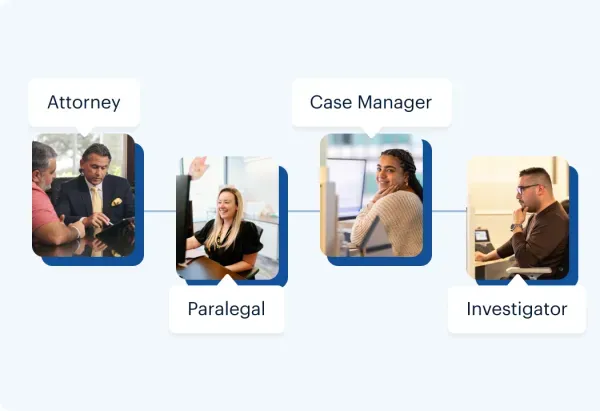
Meet your dedicated attorney
Meet the attorneys
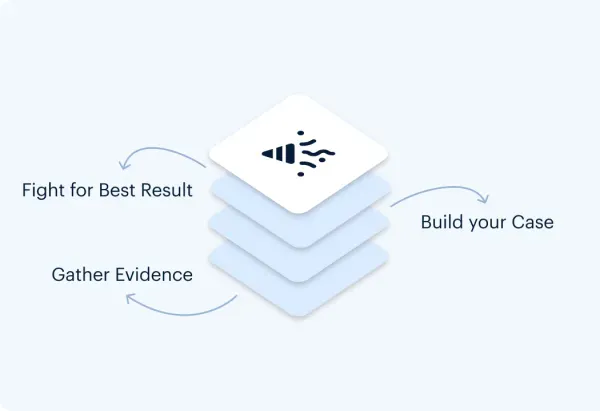
We fight for more
Learn more about the case process
Results may vary depending on your particular facts and legal circumstances. The attorneys shown in these photos may not be licensed in your state. To find an attorney licensed in your area, please visit our attorney page.
Local Care
Backed by America’s Largest Injury Law Firm.
- $35 BillionRecovered for clients
nationwide - 700,000+Clients and families
served - 1,100+Attorneys across
the country - 1Click may change your life
We know your pain.
John Morgan’s brother Tim was injured as a teen. Their experience with a lawyer was a nightmare. John spent 35 years building a firm to do better for families like his. And yours.

The attorney featured above is licensed in Florida. For a full list of attorneys in your state please visit our attorney page.
Results may vary depending on your particular facts and legal circumstances.
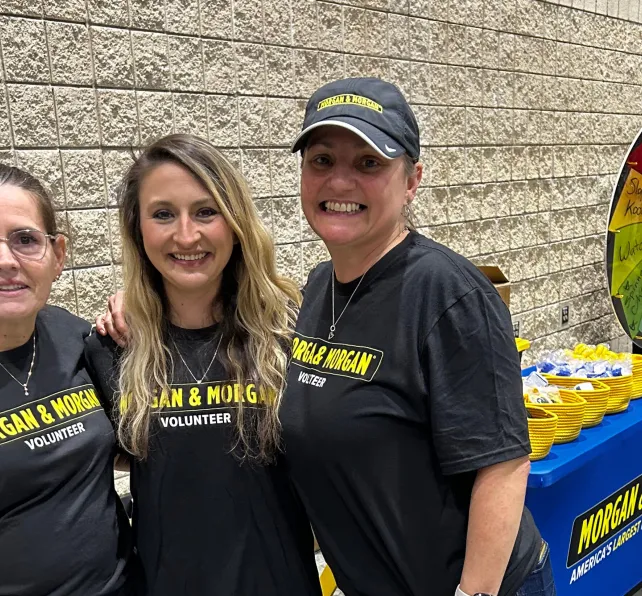
In the Community
Discover the local Morgan & Morgan experience with news, events, and partnerships.
Learn More
Injured and not sure what to do next?
We'll guide you through everything you need to know.