Results may vary depending on your particular facts and legal circumstances. The attorney featured above is licensed in Florida. For a full list of attorneys in your state please visit our attorney page.
BIRMINGHAM MARITIME & ADMIRALTY LAWYERS
Working on the water is inherently dangerous, and when employers or vessel owners fail to protect their crew members, the consequences can be life-altering. Maritime law provides rights to injured seamen and harbor workers.
Results may vary depending on your particular facts and legal circumstances. The attorney featured above is licensed in Florida. For a full list of attorneys in your state please visit our attorney page.




















When Maritime Work Leads to Serious Injury
Maritime jobs are some of the most dangerous, and injuries on or near the water can be life-altering. In Birmingham, maritime workers, including those on rivers, barges, docks, and industrial waterways, may suffer injuries due to unsafe vessels, equipment failures, or employer negligence, often resulting in long recoveries and lost income.
Federal maritime laws provide special protections for injured seamen and maritime workers, allowing them to pursue compensation beyond standard workers’ compensation. These claims are complex and require deep knowledge of maritime regulations, employer duties, and liability standards to hold the responsible parties accountable.
If you were injured while working in a maritime setting near Birmingham, a Morgan & Morgan attorney can help protect your rights. Schedule a free, no-obligation case evaluation through our website. Let us fight for the compensation you deserve while you focus on recovery.
150,000+ Five Star Reviews
The reasons why clients trust Morgan & Morgan.





Results may vary depending on your particular facts and legal circumstances. Based on select nationwide reviews.
How do maritime injuries happen in the Birmingham area?
Maritime injuries can occur in a wide range of settings, including rivers, docks, shipyards, loading facilities, and vessels operating on inland waterways. Many incidents stem from conditions that could have been prevented with proper care and maintenance.
Common causes of maritime injuries include unsafe vessels, defective or poorly maintained equipment, slippery or unstable walking surfaces, inadequate training, and failures to follow safety protocols. In other cases, accidents happen when employers rush operations, overload vessels, or ignore known hazards.
Because maritime work environments are inherently dangerous, the law places heightened responsibilities on vessel owners and employers to protect the people working under their direction.
What types of maritime and admiralty cases are handled in Alabama?
Maritime and admiralty law covers a wide range of injury claims connected to work on navigable waters. These cases may involve injuries suffered by crew members, dock workers, barge workers, or others whose jobs are tied to maritime activity.
Claims may arise from vessel collisions, equipment failures, falls overboard, crushing injuries, fires, chemical exposure, or unsafe working conditions. Some cases involve offshore or out-of-state incidents that still fall under federal maritime law, even when the injured worker lives in Alabama.
Each case depends on the worker’s role, where the injury occurred, and which laws apply.
What’s the difference between maritime law and regular personal injury law?
Maritime law operates under a different legal framework than traditional personal injury law. These claims are governed primarily by federal statutes and long-standing maritime principles rather than state negligence rules alone.
Unlike standard injury claims, maritime cases often involve specific doctrines related to vessel seaworthiness, employer duties, and fault standards. Deadlines, available damages, and liability rules can differ significantly from land-based injury cases, making these claims more complex and highly fact-specific.
Understanding which laws apply is often one of the most important early steps in a maritime injury case.
Can I sue my employer for a work-related maritime injury?
In many maritime cases, yes. Federal maritime laws allow certain injured workers to pursue claims directly against their employers when negligence or unsafe conditions contribute to an injury.
This can include failures to maintain a safe vessel, inadequate training, improper staffing, or ignoring known hazards. Some maritime workers may also have rights to maintenance and cure benefits, which are designed to cover medical care and basic living expenses during recovery.
Determining whether an employer can be held liable requires careful analysis of the worker’s job duties, employment status, and the circumstances of the accident.
Do federal maritime laws apply to inland rivers and waterways?
Yes. Federal maritime law does not apply only to oceans or offshore work. Many inland rivers, including those used for commercial navigation, fall under maritime jurisdiction.
Injuries that occur on navigable inland waterways may still qualify as maritime claims, even when the accident happens entirely within Alabama. Jurisdiction depends on how the waterway is used and the nature of the work being performed.
Who can be held liable in a maritime accident?
Liability in maritime cases may extend to multiple parties. Depending on the facts, responsible parties may include vessel owners, employers, contractors, equipment manufacturers, or other entities involved in vessel operation or maintenance.
In some cases, liability may be shared between more than one party, particularly when multiple safety failures contribute to an accident. Identifying all potentially responsible parties is essential to understanding the full scope of available recovery.
What damages can I recover in a maritime injury case?
The compensation available after a maritime injury depends on the laws that apply and the specific facts of the accident. In many cases, damages are intended to reflect both the immediate impact of the injury and its long-term effects on a worker’s ability to earn a living.
Recoverable damages may include:
- Medical expenses, including hospital care, surgery, rehabilitation, and follow-up treatment
- Lost income during recovery
- Reduced earning capacity if the injury limits future work
- Pain and suffering related to physical injuries
- Long-term disability or permanent impairment
- Future medical care when ongoing treatment is required
Each maritime injury case is evaluated individually, based on the evidence, the worker’s role, and the legal standards that apply to the claim.
How long do I have to file a maritime injury claim in Alabama?
Maritime injury claims are subject to strict legal deadlines, which vary depending on the type of claim and the laws that apply. Missing these deadlines can prevent an injured worker from pursuing compensation.
Beyond legal filing limits, timing also matters for evidence. Vessel conditions change, equipment is repaired, and witnesses move on. Acting early helps preserve records and strengthen the foundation of a claim.
Can inland residents file a maritime claim if the accident happened out of state?
In many situations, yes. Maritime claims are often governed by federal law rather than state borders. If the injury occurred on navigable waters or involved maritime work, a claim may still be available even if the accident happened outside Alabama.
Jurisdiction depends on the nature of the work and the waterway involved, not just where the injured worker lives.
What makes maritime law cases more complex than other injury claims?
Maritime cases involve overlapping federal statutes, specialized legal standards, and technical questions about vessel operations and worker classifications. Determining which laws apply often requires a detailed review of employment records, vessel ownership, and accident circumstances.
These cases also frequently involve expert analysis, industry regulations, and detailed investigation into how safety standards were followed or ignored before an injury occurred.
How does Morgan & Morgan investigate maritime injury claims?
Investigating a maritime injury requires a detailed and methodical approach. This often includes reviewing vessel records, maintenance logs, safety procedures, employment documents, and incident reports. Expert consultation is frequently used to evaluate vessel conditions, industry standards, and causation.
Morgan & Morgan handles maritime injury claims with careful attention to both legal and factual details, recognizing that these cases often affect a worker’s livelihood and long-term health. Investigations are structured to uncover how the injury occurred, who was responsible, and what protections the law provides.
Why should I choose Morgan & Morgan in Birmingham?
Maritime injury claims are not ordinary accident cases. They involve specialized laws, serious injuries, and high-stakes consequences for workers and their families. If you were injured while working on or near the water in the Birmingham area, speaking with an attorney familiar with maritime law can help clarify your options.
A free case evaluation may help provide answers, explain which laws apply, and outline potential next steps, so you can focus on recovery while your legal rights are protected.
Our Results
How It Works
Unsure what to do next? With 35 years of experience, our personal
injury lawyers will guide you every step of the way.
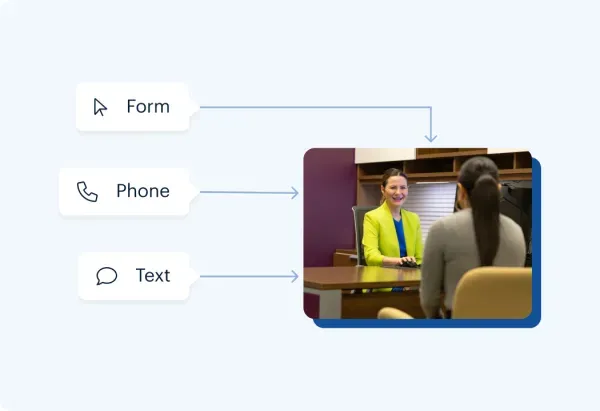
Contact Us 24/7 - It’s Free
Start your claim
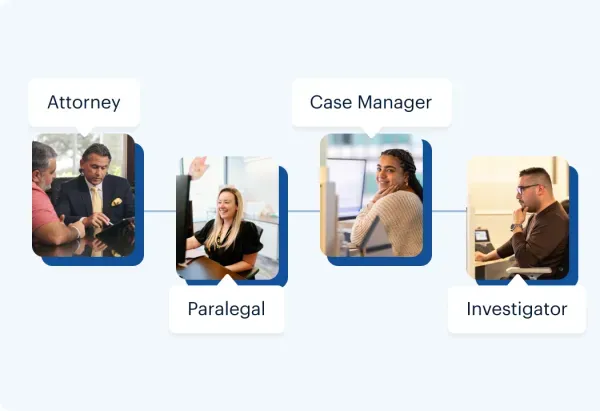
Meet your dedicated attorney
Meet the attorneys
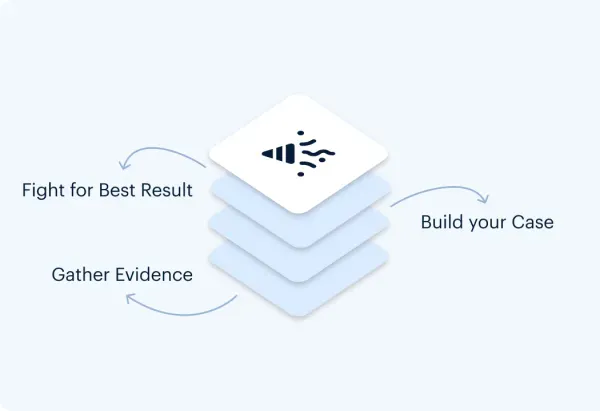
We fight for more
Learn more about the case process
Results may vary depending on your particular facts and legal circumstances. The attorneys shown in these photos may not be licensed in your state. To find an attorney licensed in your area, please visit our attorney page.
Local Care
Backed by America’s Largest Injury Law Firm.
- $30 BillionRecovered for clients
nationwide - 700,000+Clients and families
served - 1,000+Attorneys across
the country - 1Click may change your life
We know your pain.
John Morgan’s brother Tim was injured as a teen. Their experience with a lawyer was a nightmare. John spent 35 years building a firm to do better for families like his. And yours.

The attorney featured above is licensed in Florida. For a full list of attorneys in your state please visit our attorney page.
Results may vary depending on your particular facts and legal circumstances.
Learn More
Injured and not sure what to do next?
We'll guide you through everything you need to know.