Results may vary depending on your particular facts and legal circumstances. The attorney featured above is licensed in Florida. For a full list of attorneys in your state please visit our attorney page.
BIRMINGHAM NECK, SPINAL CORD, AND BACK INJURY
Neck, spinal cord, and back injuries can cause lasting pain, disability, and long-term care needs. When negligence leads to a spinal injury, Alabama law provides a path to accountability. Morgan & Morgan may be able to help you pursue compensation.
Results may vary depending on your particular facts and legal circumstances. The attorney featured above is licensed in Florida. For a full list of attorneys in your state please visit our attorney page.




















When Neck, Spinal Cord, or Back Injuries Change Your Life
Serious injuries to the neck, spine, or back in Birmingham can result in chronic pain, limited mobility, and permanent disability. These injuries often occur in car accidents, falls, workplace incidents, or other traumatic events, leaving victims facing extensive medical treatment and long-term recovery.
Alabama law allows injured individuals to pursue compensation when negligence causes spinal or back injuries. These cases require strong medical evidence, expert analysis, and experienced legal advocacy to recover damages for medical care, rehabilitation, lost income, and pain and suffering.
If you suffered a neck, spinal cord, or back injury in Birmingham, a Morgan & Morgan attorney can help protect your rights. Schedule a free, no-obligation case evaluation through our website. Let us fight for the compensation you need to move forward.
150,000+ Five Star Reviews
The reasons why clients trust Morgan & Morgan.






Results may vary depending on your particular facts and legal circumstances. Based on select nationwide reviews.
What happens after a serious neck or spine injury?
After a serious spinal injury, the focus often shifts quickly from emergency care to long-term reality. Medical treatment may involve surgery, rehabilitation, physical therapy, and ongoing pain management. For many people, recovery is measured in months or years, not weeks.
Beyond the physical impact, spinal injuries can affect employment, family dynamics, and financial stability. Understanding the full scope of these consequences is essential when evaluating legal options and long-term support needs.
What are the most common causes of neck and spinal cord injuries in Birmingham?
Neck, spine, and back injuries can occur in many types of traumatic incidents, but certain events are especially common and often result in serious, long-lasting harm.
Common causes of neck and spinal cord injuries in Birmingham include:
- Motor vehicle crashes, including car, truck, motorcycle, and pedestrian accidents
- Falls, such as falls from ladders, stairways, roofs, or elevated work surfaces
- Workplace accidents, particularly in construction, industrial, and warehouse settings
- Recreational injuries, including sports accidents or high-impact activities
- Pedestrian or bicycle collisions involving vehicles
- Violent impacts, such as assaults or other traumatic events
Even accidents that seem minor at first can place significant force on the neck and spine. Whiplash, disc injuries, and spinal cord damage may not be immediately obvious but can lead to chronic pain, limited mobility, or permanent impairment over time.
What types of neck, spinal cord, and back injuries are common?
Neck, spinal cord, and back injuries can affect different areas of the spine and vary widely in severity. Some injuries improve with treatment, while others result in lasting pain, mobility limitations, or permanent disability.
Common spinal and back injuries seen in Birmingham accident cases include:
- Herniated or bulging discs, which can press on nerves and cause pain, numbness, or weakness
- Spinal fractures, including compression fractures caused by traumatic impact
- Spinal stenosis, where the spinal canal narrows and places pressure on nerves
- Facet joint injuries, affecting the joints that stabilize the spine
- Lumbar spine injuries, often associated with lower back pain and movement limitations
- Thoracic spine injuries, which may affect posture, balance, or breathing
- Severe soft-tissue injuries, such as whiplash, muscle tears, or ligament damage
- Spinal cord damage, which in serious cases can result in partial or complete paralysis
Understanding the specific type and extent of a spinal injury is critical when evaluating long-term medical needs, recovery expectations, and the full scope of compensation.
What’s the difference between a herniated disc and spinal cord damage?
A herniated disc occurs when the cushioning disc between vertebrae presses on nearby nerves, often causing pain, numbness, or weakness. While painful and sometimes disabling, disc injuries do not always involve damage to the spinal cord itself.
Spinal cord damage is more severe and occurs when the cord that carries signals between the brain and body is injured. This can result in loss of movement, sensation, or bodily function below the point of injury and is often permanent.
How do spinal cord injuries impact daily life?
The impact of a spinal cord injury depends on where the injury occurs along the spine and how severe the damage is. For many people, the effects reach far beyond the initial accident and reshape nearly every part of daily life.
Common ways spinal cord injuries can affect daily living include:
- Chronic pain or nerve pain that requires ongoing management
- Weakness or loss of sensation in the arms, hands, legs, or feet
- Reduced mobility, including difficulty walking or standing
- Loss of bladder or bowel control, requiring medical intervention or assistance
- Changes in sexual function or fertility
- Breathing difficulties, particularly with higher-level spinal injuries
- Increased dependence on caregivers for daily tasks
- Emotional and psychological effects, such as anxiety, depression, or loss of independence
In more severe cases, spinal cord injuries can result in paraplegia or quadriplegia and require lifelong medical care, rehabilitation, assistive devices, and home modifications. These long-term realities make fair compensation essential, not just for immediate treatment, but for maintaining quality of life over time.
Are spinal cord injuries considered catastrophic under Alabama law?
Yes. Spinal cord injuries are commonly considered catastrophic injuries because they often result in permanent impairment, long-term disability, and extensive medical needs.
Catastrophic injury cases typically involve higher compensation due to the lasting impact on quality of life, earning capacity, and future care requirements.
Can I claim compensation for chronic back pain after a car accident?
Yes. Chronic back pain following an accident can be compensable if it is supported by medical evidence and linked to the crash. Even when imaging doesn’t show dramatic damage, ongoing pain and functional limitations can still significantly affect daily life and employment.
Documentation from physicians, specialists, and treatment providers plays an important role in these claims.
What types of medical evidence strengthen a spinal injury claim?
Strong spinal injury claims rely heavily on medical documentation. This may include emergency records, imaging studies such as MRIs or CT scans, surgical reports, physical therapy records, and physician opinions about long-term limitations.
Consistent treatment and clear documentation of how the injury affects work and daily activities are often critical.
Can I recover lost wages if my injury prevents me from working?
Yes. If a neck, back, or spinal injury prevents you from returning to work or limits your ability to earn the same income, you may be able to recover lost wages and compensation for reduced earning capacity.
This includes both income already lost and future losses tied to long-term disability.
What is the average settlement for a spinal cord injury case in Alabama?
There is no true “average” spinal cord injury settlement. Compensation varies widely based on factors such as the severity of the injury, medical costs, long-term care needs, lost income, and how the injury affects daily life and independence.
Certain circumstances can also influence how a case is evaluated. Claims involving minors may be handled differently to account for lifelong care needs and future limitations. Cases involving government entities can raise additional legal considerations that affect how claims are pursued. In general, injuries resulting in paralysis or permanent disability tend to involve higher compensation due to ongoing care and lifelong impact.
How long do I have to file a neck or spinal injury lawsuit in Alabama?
Spinal and back injury claims are subject to strict legal deadlines under Alabama law. Missing these deadlines can permanently bar recovery, regardless of the severity of the injury.
Because evidence and medical records develop over time, acting early can help protect your rights.
What steps should I take after a car accident causing neck or back injury?
After a car accident, your health should be the top priority. Seek medical care right away, even if symptoms seem mild or delayed. Neck, back, and spinal injuries may not be immediately apparent and can worsen over time without proper treatment.
Follow all medical recommendations, attend scheduled appointments, and keep records of diagnoses, treatment plans, and symptoms as they evolve. Documenting changes in pain, mobility, or daily limitations can be important later.
If possible, preserve evidence from the accident and avoid discussing fault or giving recorded statements to insurance companies before understanding your legal options. Early statements are often used to minimize injuries or shift blame.
How does Morgan & Morgan handle long-term care or paralysis cases?
Spinal cord injury cases often require planning for future medical care, rehabilitation, assistive devices, and long-term support. Morgan & Morgan works with medical experts, life-care planners, and economists to assess the full scope of future needs.
These cases are about more than immediate medical bills; they’re about protecting quality of life for years to come.
Why should I choose Morgan & Morgan for my spinal cord injury case in Birmingham?
A spinal injury doesn’t just affect one moment; it affects every day that follows. When negligence causes lasting harm, accountability matters.
If you suffered a neck, spinal cord, or back injury in Birmingham, Morgan & Morgan may be able to help. Contact us for a free case evaluation. With The Fee Is Free® promise, there are no upfront costs; you don’t pay unless compensation is recovered. When lives are changed in an instant, we fight For The People®.
Our Results
How It Works
Unsure what to do next? With 35 years of experience, our personal
injury lawyers will guide you every step of the way.

Contact Us 24/7 - It’s Free
Start your claim
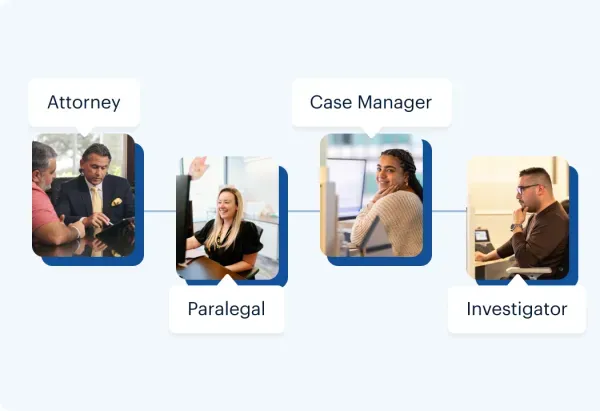
Meet your dedicated attorney
Meet the attorneys

We fight for more
Learn more about the case process
Results may vary depending on your particular facts and legal circumstances. The attorneys shown in these photos may not be licensed in your state. To find an attorney licensed in your area, please visit our attorney page.
Local Care
Backed by America’s Largest Injury Law Firm.
- $30 BillionRecovered for clients
nationwide - 700,000+Clients and families
served - 1,000+Attorneys across
the country - 1Click may change your life
We know your pain.
John Morgan’s brother Tim was injured as a teen. Their experience with a lawyer was a nightmare. John spent 35 years building a firm to do better for families like his. And yours.

The attorney featured above is licensed in Florida. For a full list of attorneys in your state please visit our attorney page.
Results may vary depending on your particular facts and legal circumstances.
Learn More
Injured and not sure what to do next?
We'll guide you through everything you need to know.
