
Denied SSD benefits?
A denial doesn’t mean it’s over. We fight for clients and the Social Security Benefits they’ve earned.
See if you qualifyThe attorney shown above may not be licensed in your state. To find an attorney licensed in your area, please visit our attorney page.
The attorney shown above may not be licensed in your state. To find an attorney licensed in your area, please visit our attorney page.
Meet Our Social Security Disability Attorneys
From navigating complex regulations to advocating for your rightful benefits, our attorneys manage every aspect of your case so you can focus on your health and financial stability.













The attorneys shown in these photos may not be licensed in your state. To find an attorney licensed in your area, please visit our attorney page.
Morgan & Morgan's Social Security Disability Lawyers Make All the Difference
Don’t Be Denied What You Deserve
Covering All Types of Social Security Disability Cases
Proven Experience, Powerful Results
Legal Help with No Upfront Costs
Results may vary depending on your particular facts and legal circumstances.
Types of Social Security Claims

Disability Benefits (SSDI)

Supplemental Security Income (SSI)

Concurrent (SSDI+SSI)
How do I apply for Social Security benefits?
You can apply for Social Security benefits if you are retired, disabled, or the survivor of a deceased worker who paid into the Social Security system. Benefits may include retirement income, disability payments, or survivor benefits for family members.
To apply, you generally need to meet eligibility requirements, such as age, work history, or disability status, and provide documentation including your Social Security number, proof of age, employment records, and medical records if applying for disability.
Applications can be submitted online, by phone, or in person at your local Social Security office. Because processing times can vary, it’s important to gather all required documents and apply as early as possible. Contact a Social Security benefits specialist at Morgan & Morgan for guidance and assistance with your application.
In Their Words
I reached out to several different law firms, but the one that gave me the most attention and answered my questions immediately was Morgan & Morgan.
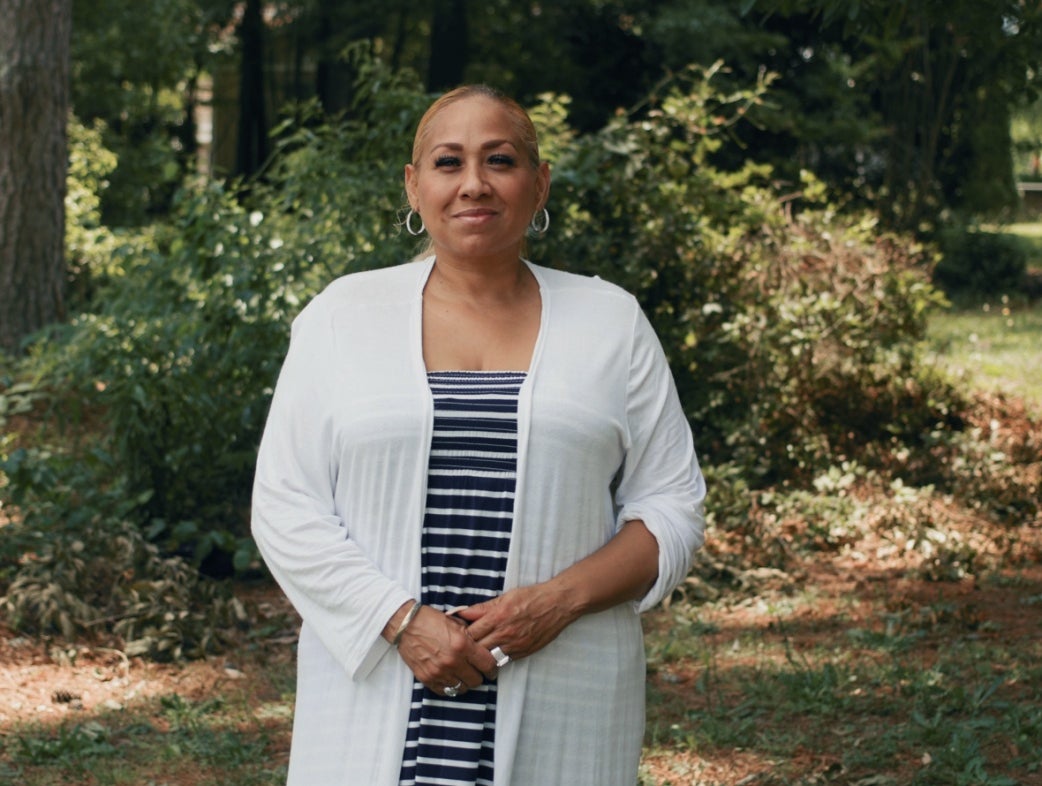

After receiving a denial for disability, I called Morgan & Morgan. I chose them because I trust them. Life has now gotten a lot easier.

Finally, somebody believed me—somebody listened—and I finally got my settlement.

Dawn
Robert
Joanne
Based on select nationwide reviews.
Social Security Disability claims need three things.

Eligibility
Supporting documentation
Compliance with filing requirements

The Social Security Case Process
Get all the information you need to know about the Social Security Disability claims and appeals process.
Fighting For the People
Backed by America’s Largest Injury Law Firm.
- $30 BillionRecovered for clients
nationwide - 700,000+Clients and families
served - 1,000+Attorneys across
the country - 1Click may change your life

The attorney featured above is licensed in Florida. For a full list of attorneys in your state please visit our attorney page.
Results may vary depending on your particular facts and legal circumstances.
Common Reasons for Claim Denial
Insufficient Medical Evidence
Failure to Meet Work Requirements
Earnings Above the Limit
Incomplete or Incorrect Application
Failure to Follow Treatment
Condition Doesn’t Meet SSA Criteria
How do I know if I have a Social Security claim?
Determining whether you have a viable Social Security claim depends on your circumstances and the type of benefits you’re seeking.
You may have a valid claim if you:
- Have a severe and long-term medical condition preventing you from working.
- Are struggling financially and meet the resource limits for SSI.
- Have a deceased spouse, parent, or other relative who worked and paid into Social Security.
- Are nearing or have reached retirement age and have a work history.
Navigating Social Security claims can be complex, especially when applications are denied. Morgan & Morgan can help. Consult one of our Social Security attorneys if:
- Your condition has been denied as not meeting SSA's criteria.
- You’re unsure about eligibility or have questions about work credits.
- You need help with documentation or appealing a denied claim.
How do I apply for Social Security benefits?
The application process for Social Security Disability benefits can be complex, but it’s manageable with preparation:
- Gather Required Documents: Collect medical records, employment history, tax returns, and information about your condition.
- Complete the Application: Apply online at the SSA website, by phone, or in person at your local SSA office.
- Submit Medical Evidence: Provide comprehensive documentation from your healthcare providers to support your claim.
- Wait for a Decision: It typically takes 6-9 months to receive an initial decision.
Failing to correctly file, filing an incomplete application, or missing a deadline can all hurt your chances for disability benefits. Working with an experienced attorney at Morgan & Morgan can help ensure that you file correctly and on time.
What is the timeline for receiving a decision on my Social Security Disability application?
The initial decision typically takes 6-9 months. Appeals can add several months to a few years. Your attorney can advise you on the estimated timeline of your specific case.
Do I need a lawyer to sign up for disability benefits? Will it help my chances of approval?
You do not need a lawyer to sign up for Social Security Disability benefits, but having one can be highly beneficial. The process of applying for disability benefits can be complex, involving detailed paperwork, strict deadlines, and a strong need for comprehensive medical documentation. Many initial claims are denied due to incomplete applications or insufficient evidence.
An experienced disability attorney can:
- Ensure Accuracy: Help you complete your application thoroughly and accurately to avoid errors that lead to denials.
- Gather Supporting Evidence: Assist in collecting and organizing the medical records and other documents needed to strengthen your claim.
- Navigate Complexities: Understand and explain Social Security Administration (SSA) rules, ensuring you meet all requirements.
- Advocate for You: Represent you during appeals, administrative hearings, or any stage of the process if your claim is denied.
At Morgan & Morgan, our Social Security Disability attorneys work on a contingency fee basis, meaning there is no fee unless your claim is approved. While it’s not mandatory to hire a lawyer, doing so can significantly increase your chances of a successful outcome.
Why should I hire a disability law firm like Morgan & Morgan?
At Morgan & Morgan, our team of experienced social security attorneys has successfully represented countless clients in similar situations, securing millions in compensation. As the largest personal injury law firm in the country with over 1,000 lawyers nationwide, we have the resources, knowledge, and dedication to fight for your rights.
We work on a contingency fee basis, meaning you won’t have to pay unless we win your case. Morgan & Morgan believes justice should be accessible to all, so our motto is the Fee Is Free™—you only pay if we win.
A skilled attorney can make all the difference to get you the benefits you deserve by:
- Navigating the Process: Managing paperwork, deadlines, and communication with the SSA.
- Gathering Evidence: Ensuring your medical documentation is comprehensive and compelling.
- Strengthening Appeals: Building a strong case to improve your chances at each stage of the appeals process.
- Representing You in Hearings: Advocating on your behalf before an ALJ or in court.
How much does it cost to hire a disability lawyer at Morgan & Morgan?
Morgan & Morgan’s social security lawyers work on a contingency fee basis, meaning that there are no upfront fees or expenses until your case comes to a successful conclusion. That’s right—the Fee Is Free™, and you only pay if we win.
Our fee is a percentage of the settlement or verdict amount, ensuring we are motivated to achieve the best possible outcome for you.
Does Morgan & Morgan have free consultations? Do I have to pay for a consultation?
No. Consultations at Morgan & Morgan are completely free. We believe everyone deserves access to legal advice, regardless of their financial situation.
Hiring one of our Social Security lawyers is easy, and you can get started in minutes with a free case evaluation on our site or by phone.
Who will be on my case team?
When you hire Morgan & Morgan, you don’t just hire a Social Security disability lawyer; you hire the largest personal injury law firm in the country with an army of over 1,000 lawyers and offices in all 50 states and Washington, D.C.
Your case will be handled by a dedicated team of professionals, including social security lawyers, paralegals, and support staff. You will be assigned a care team that includes a primary attorney who will oversee your case and ensure you receive personalized attention throughout the process.
What’s the difference between SSI and SSDI?
There are two kinds of disability benefits available, depending on your circumstances and eligibility:
Supplemental Security Income (SSI):
- Eligibility: Your eligibility will be based on financial need. Requires limited income and assets.
- Funding Source: Paid through general tax revenue, not Social Security taxes.
- Benefit Amount: Varies by state and individual circumstances but is generally lower than SSDI.
Social Security Disability Insurance (SSDI):
- Eligibility: Your eligibility will be based on work history and earning sufficient credits through Social Security taxes.
- Funding Source: Paid through Social Security payroll taxes.
Benefit Amount: Higher than SSI and depends on your past earnings.
How do I strengthen my Social Security Disability application?
Boost your chances of success with these tips:
- Provide Comprehensive Medical Evidence: Include detailed records, test results, and doctor’s notes.
- Maintain Consistent Treatment: Follow all prescribed treatments and document your efforts.
- Work With Morgan & Morgan: An experienced lawyer can help ensure your application is thorough and accurate.
- Be Honest and Detailed: Clearly explain how your condition impacts your daily life and ability to work.
How is eligibility for these benefits determined?
Eligibility for Social Security Disability benefits depends on:
- Work Credits (for SSDI): Based on your age and work history, you must have earned enough credits through Social Security taxes.
- Income and Assets (for SSI): Supplemental Security Income (SSI) is a needs-based program with strict income and resource limits.
Meeting these requirements is the first step toward securing benefits.
How is disability defined by the Social Security Administration?
The Social Security Administration (SSA) defines disability very specifically. To qualify, you must:
- Be unable to perform substantial gainful activity (SGA): Your condition must prevent you from earning more than the monthly SGA threshold.
- Have a severe impairment: Your condition must significantly limit your ability to perform basic work activities, such as walking, lifting, or remembering.
- Have a condition expected to last 12 months or result in death: Temporary or short-term conditions typically don’t qualify.
- Be listed in the SSA’s Blue Book: This guide outlines medical conditions and criteria for automatic approval. If your condition isn’t listed, you’ll need to provide extensive medical evidence to prove its severity.
Can I apply for Social Security Disability benefits online?
Yes, you can apply online at SSA.gov. Be prepared to upload medical records, work history, and personal information. It is recommended that you proceed with the help of an experienced attorney to maximize your chances of approval without delays. Speak to a member of our legal team today for help with a free case evaluation.
How do I appeal a denied Social Security claim?
If your claim is denied, your attorney can appeal through these steps:
- Request for Reconsideration: Submit additional evidence and corrections within 60 days.
- Administrative Law Judge (ALJ) Hearing: Present your case before a judge.
- Appeals Council Review: Request a review of the judge’s decision.
- Federal Court: As a final resort, file a lawsuit in federal district court.
Each stage requires careful preparation and adherence to strict deadlines.
What are common reasons for claim denials?
Many applicants face denials on their first attempt. Common reasons for a denial can include:
- Insufficient Medical Evidence: Failing to demonstrate the severity of your condition.
- Failure to Follow Treatment Plans: Ignoring prescribed treatments without valid reasons.
- Inadequate Work History: Not earning enough work credits for SSDI eligibility.
- Income Exceeding Limits: Earning above the allowable SGA threshold for SSI or SSDI.
Understanding these pitfalls can help you avoid them and working with an experienced attorney at Morgan & Morgan can help you to have a more successful outcome.
What’s the importance of medical documentation in Social Security Disability claims?
Strong medical evidence is the backbone of any successful disability claim. The most effective records include:
- Diagnostic Tests: Imaging, blood tests, or other objective results.
- Physician Notes: Detailed documentation from your doctor about your symptoms and limitations.
- Treatment History: Proof that you’ve pursued and followed prescribed treatments.
Having your doctor write a supporting statement can also strengthen your claim.
How do I qualify for both SSI and SSDI benefits?
Qualifying for both Supplemental Security Income (SSI) and Social Security Disability Insurance (SSDI) benefits, commonly referred to as "concurrent benefits," is possible if you meet the eligibility criteria for both programs. Here's how:
Understand the Basic Requirements for SSDI and SSI
- SSDI Eligibility:
SSDI is for individuals who have worked and paid Social Security taxes (via FICA) for a sufficient period. Eligibility depends on:- Accumulating enough work credits based on your age.
- Having a qualifying disability that prevents substantial gainful activity (SGA).
- SSI Eligibility:
SSI is a need-based program that provides benefits to individuals with limited income and resources, regardless of work history. To qualify, you must:- Have countable income and assets below SSI limits.
- Be disabled, blind, or aged 65 or older.
Meet the Financial and Disability Criteria Simultaneously
To qualify for concurrent benefits, you must:
- Have a Disability That Qualifies for SSDI: Your medical condition must meet the Social Security Administration's (SSA) definition of disability.
- Have Low Income and Resources to Qualify for SSI: Even if you're eligible for SSDI, the monthly payment amount must be low enough (often due to limited work history or part-time employment) to meet SSI's financial eligibility thresholds.
How Concurrent Benefits Work
If you qualify for both programs:
- SSDI Benefits: You receive SSDI benefits based on your work history and contributions.
- SSI Supplements: If your SSDI benefits are lower than the federal benefit rate for SSI (currently $914 per month in 2025 for individuals), SSI may supplement the difference to bring your total benefits up to this amount.
Example of Concurrent Benefits
Suppose your SSDI monthly payment is $500, and the SSI federal benefit rate is $914. SSI would provide an additional $414 to match the SSI maximum benefit amount.
Other Considerations for Concurrent Benefits
- Resource Limits: SSI imposes strict resource limits of $2,000 for individuals and $3,000 for couples.
- Medicaid and Medicare:
- Qualifying for SSI often makes you eligible for Medicaid.
- SSDI eligibility leads to Medicare coverage after 24 months of receiving benefits.
Applying for Both Benefits
You can apply for SSDI and SSI through the same initial application process. The SSA will automatically assess your eligibility for both programs when you file your claim.
- SSDI Eligibility:
What medical conditions automatically qualify for Social Security Disability benefits?
Conditions listed in the SSA’s Blue Book, such as advanced cancers, ALS, and certain genetic disorders, may qualify automatically. Your attorney can advise you if your condition may automatically be eligible before you begin the application process.
Can I receive disability benefits if I’m still able to work part-time?
Yes, it is possible to receive disability benefits while working part-time, but certain rules and income limits apply. The Social Security Administration (SSA) has guidelines to determine whether part-time work disqualifies you from receiving disability benefits. Here’s a breakdown:
Substantial Gainful Activity (SGA)
The SSA uses a concept called Substantial Gainful Activity (SGA) to evaluate your work. SGA refers to the level of income that demonstrates your ability to engage in significant work.
- For 2025, the SGA limit is:
- $1,470 per month for non-blind individuals.
- $2,460 per month for blind individuals.
If you earn more than the SGA limit, you will generally not qualify for disability benefits, as the SSA assumes you can engage in substantial work.
Trial Work Period (TWP)
If you are already receiving Social Security Disability Insurance (SSDI), the SSA allows you to test your ability to work through a Trial Work Period (TWP) without losing your benefits.
- You can earn any amount during the TWP without it affecting your SSDI benefits, as long as you report your earnings to the SSA.
- The TWP lasts for nine months (within a rolling 60-month period) where monthly earnings exceed $1,050 in 2024.
Extended Period of Eligibility (EPE)
After completing the Trial Work Period, you enter an Extended Period of Eligibility (EPE) lasting 36 months. During this time:
- You can still receive benefits in months when your earnings are below the SGA limit.
- If your earnings exceed the SGA limit, benefits may stop but can be reinstated if your earnings drop again.
Supplemental Security Income (SSI) and Part-Time Work
For SSI, part-time work may not disqualify you from benefits, but your income will affect your monthly payment.
- The SSA reduces SSI benefits by $1 for every $2 of earned income over $85 per month.
- SSI has strict resource and income limits, so maintaining low earnings is crucial to continue receiving benefits.
Work Incentives and Support Programs
The SSA offers work incentive programs to encourage individuals to work without fear of losing their benefits prematurely:
- Impairment-Related Work Expenses (IRWEs): Costs related to your disability that are necessary for you to work (e.g., transportation, assistive devices) can be deducted from your earnings when determining SGA.
- Ticket to Work Program: This free program helps disability beneficiaries receive training and support to transition back into the workforce.
Factors to Consider When Working Part-Time
- Physical and Mental Capabilities: The SSA assesses whether your work activity shows you are capable of full-time work.
- Consistency of Work: Sporadic or limited work may not affect your benefits, but regular employment could lead the SSA to re-evaluate your eligibility.
Reporting Requirements: Always report your work activity and earnings to the SSA to avoid overpayments or penalties.
- For 2025, the SGA limit is:
How do I speak to a disability representative?
A disability representative is anyone legally permitted to represent you in a disability claim. The representative can be a family member, lawyer, paralegal, or any other legal professional specializing in Social Security Disability cases.
Most people seek disability lawyers to represent them in their Social Security Disability claims. There are many benefits of hiring an attorney to handle such claims compared to other professionals in this field. Here's why it's always advisable to speak to a disability attorney.
You can speak with a disability representative at Morgan & More with no obligation or cost to you. Contact us anytime, 24/7, for a free case evaluation.
Learn More
Injured and not sure what to do next?
We'll guide you through everything you need to know.
