Results may vary depending on your particular facts and legal circumstances. The attorney featured above is licensed in Florida. For a full list of attorneys in your state please visit our attorney page.
NURSING HOME ABUSE LAWYER IN DALLAS
Discovering possible nursing home abuse or neglect can leave your family feeling betrayed and unsure what to do next. Morgan & Morgan in Dallas may be able to investigate, explain your options, and help pursue accountability.
Results may vary depending on your particular facts and legal circumstances. The attorney featured above is licensed in Florida. For a full list of attorneys in your state please visit our attorney page.














When Trusted Care Turns Into Harm
Families trust nursing homes and assisted living facilities to provide safe, respectful care. When that trust is broken, residents may suffer physical injuries, emotional harm, financial exploitation, or a serious decline in their well-being.
Warning signs of abuse or neglect may include unexplained injuries, bedsores, dehydration, weight loss, poor hygiene, medication errors, frequent falls, withdrawal, unusual financial activity, or sudden behavioral changes. These issues may be linked to understaffing, poor supervision, inadequate training, unsafe conditions, or intentional misconduct.
Morgan & Morgan’s attorneys understand how difficult it can be to uncover what happened, especially when a resident has dementia, cannot communicate clearly, or fears retaliation. Depending on the circumstances, responsible parties may include caregivers, nurses, administrators, management companies, contractors, or the facility itself.
A claim may seek compensation for medical expenses, pain and suffering, emotional distress, relocation costs, and other losses. If abuse or neglect results in death, eligible family members may also be able to pursue a wrongful death claim.
If you suspect a loved one was harmed in a Dallas nursing home or assisted living facility, you do not have to face it alone. Contact Morgan & Morgan today for a free case evaluation to learn how our Dallas nursing home abuse lawyers may be able to help your family pursue answers and accountability.
- 700,000+ clients Chose Morgan & Morgan Nationwide.
- $0 upfront Only pay if we win.
- Available 24/7 Get help anytime.
Nursing Home Abuse Cases in Dallas Need Three Things
The Facility Was Responsible for Your Loved One’s Care
The Facility or Caregiver Failed in That Duty
Your Loved One Suffered Harm
Talk to Our Team at No Cost
150,000+ Five Star Reviews
The reasons why clients trust Morgan & Morgan.





Results may vary depending on your particular facts and legal circumstances. Based on select nationwide reviews.
How do I know if my loved one or I have a nursing home abuse claim in Dallas, Texas?
Nursing home abuse can lead to devastating physical, emotional, and financial harm for elderly residents. If you suspect that a loved one is suffering from neglect or abuse in a nursing facility in Dallas, Texas, understanding your legal rights is crucial. To pursue a claim, you must establish key legal elements that prove misconduct or negligence. Here’s what you need to demonstrate:
Duty of Care
Nursing homes and their staff have a duty to provide residents with appropriate care and a safe, clean, and healthy living environment in accordance with federal and state requirements. This includes proper medical treatment, adequate supervision, and protection from abuse and neglect.
Breach of Duty
To have a valid claim, you must show that the nursing home or its staff failed to meet this duty of care. Examples of breaches include:
- Failure to provide proper medical attention
- Neglect leading to malnutrition, dehydration, or bedsores
- Physical, emotional, or sexual abuse by staff or other residents
- Medication errors or overmedication
- Unsanitary living conditions
- Lack of supervision leading to falls or wandering/elopement
Causation
Proving negligence alone is not enough. You must also show that the nursing home’s failure to meet its duty caused harm to your loved one. Medical records, witness statements, photographs, and expert testimony may help establish that connection.
Damages
To pursue compensation, you must show that the abuse or neglect resulted in actual harm. This can include:
- Medical expenses (hospitalization, rehabilitation, ongoing care)
- Emotional distress and psychological trauma
- Pain and suffering
- Wrongful death, in cases of fatal neglect or abuse
If you suspect nursing home abuse, it’s essential to take action. A nursing home abuse attorney in Dallas can review your case, help gather evidence, and fight for justice on behalf of your loved one.
What should I do if I suspect nursing home abuse in Dallas, Texas?
If you suspect a loved one is experiencing abuse in Dallas, it is essential to act quickly to protect them.
Document the Abuse
Keep a detailed record of:
- Visible injuries or changes in health
- Behavioral shifts
- Conversations with staff regarding the suspected abuse
Contact Authorities
Immediately report your concerns to:
- The nursing home administrator
- Local adult protective services (APS)
- Law enforcement, if there is immediate danger
Seek Medical Attention
Make sure the victim receives prompt medical care for any physical injuries or emotional trauma. Healthcare providers can also document the harm, which may serve as important evidence.
Contact Morgan & Morgan in Dallas, Texas
Make sure the victim receives prompt medical care for any physical injuries or emotional trauma. Healthcare providers can also document the harm, which may serve as important evidence.
How long do I have to file a nursing home abuse claim in Dallas, Texas?
If you suspect that a loved one has suffered abuse or neglect in a nursing home, it's crucial to understand the time limits for taking legal action. The timeframe for filing a claim—known as the statute of limitations—varies by state, typically ranging from one to several years from the date of the abuse or discovery of harm. Failing to file within this period may result in losing the right to seek compensation.
Exceptions to the Statute of Limitations
In some cases, the harm caused by nursing home abuse may not be immediately apparent. The discovery rule allows the statute of limitations to begin when the abuse or injury is discovered—or reasonably should have been discovered—rather than when it occurred. This can be particularly relevant in cases involving:
- Hidden neglect (such as malnutrition or untreated infections)
- Cognitive impairments (when victims are unable to report abuse)
- Financial exploitation (when fraudulent activities are uncovered later)
Why Acting Quickly Matters
Even if the statute of limitations allows for a longer window, filing a claim as soon as possible is critical. Over time:
- Key evidence may be lost or destroyed
- Witness memories may fade
- Medical records and documentation may become harder to obtain
Additionally, some states require early reporting of abuse to qualify for legal action or certain benefits, making prompt action even more essential.
Consult a Nursing Home Abuse Attorney in Dallas, Texas
Because statutes of limitations and exceptions can be complex, consulting an attorney as soon as you suspect abuse is the best way to protect your loved one’s rights. A lawyer can help determine the exact deadline for your case, gather necessary evidence, and take legal action before time runs out.
How long does it take to settle a nursing home abuse lawsuit in Dallas, Texas?
The timeline varies depending on the complexity of the case, the amount of evidence, and whether the case goes to trial. Some cases may resolve in months, while others take years.
Nursing home abuse is a grave issue requiring immediate action, and the best way to understand what you need and what a lawsuit timeline may look like is to speak to a qualified and experienced attorney.
If you suspect abuse, contact Morgan & Morgan in Dallas today to discuss your case and explore your legal options. Together, we can fight for accountability and ensure the safety and dignity of nursing home residents.
What kind of damages can I claim in a nursing home abuse case in Dallas?
If your loved one has suffered abuse or neglect in a nursing home, they may be entitled to compensation for the physical, emotional, and financial harm they have endured. The types of damages available in a nursing home abuse claim depend on the severity of the mistreatment and its impact on the victim’s well-being. Here’s a breakdown of the different types of damages that may be recoverable:
Medical Expenses
When nursing home abuse results in injuries or health complications, you may be able to claim compensation for medical costs, including:
- Emergency care and hospital stays
- Doctor’s visits and specialist care
- Prescription medications and medical equipment
- Rehabilitation and physical therapy for recovery
- Long-term medical care required due to neglect or abuse-related injuries
Pain and Suffering
Nursing home abuse can cause severe physical pain and emotional distress. These damages cover:
- Physical pain: Compensation for injuries such as bedsores, fractures, or infections caused by neglect
- Emotional suffering: Anxiety, depression, PTSD, or loss of enjoyment of life due to the abuse or neglect
Mental and Emotional Distress
Elderly residents who experience abuse often suffer lasting psychological effects. Compensation may be available for:
- Emotional trauma caused by verbal, physical, or emotional abuse
- Fear, anxiety, and loss of trust in caregivers
- Mental health treatment or counseling costs
Financial Exploitation and Fraud Losses
If your loved one was a victim of financial abuse in a nursing home, you may be able to recover:
- Stolen or misused funds
- Unauthorized credit card charges or bank withdrawals
- Fraudulent changes to wills, trusts, or power of attorney
- Property theft
Wrongful Death Damages
If nursing home abuse or neglect leads to the death of a loved one, surviving family members may file a wrongful death claim for:
- Funeral and burial expenses
- Medical bills incurred before passing
- Loss of companionship and emotional support
- Loss of financial support that the deceased would have provided
Punitive Damages
In cases of extreme negligence or intentional abuse, the court may award punitive damages to punish the facility and prevent future misconduct. These are often granted in cases involving:
- Severe neglect leading to preventable death
- Intentional physical, emotional, or sexual abuse
- Knowingly violating nursing home safety regulations
Relocation Costs
If the abuse or neglect requires your loved one to be moved to a different facility, you may be able to recover:
- Moving expenses
- New facility admission fees
- Increased care costs if a higher level of care is now required
Loss of Dignity and Independence
Elderly individuals who suffer abuse may experience a diminished quality of life, losing their ability to care for themselves or engage in activities they once enjoyed. Compensation may be available for:
- Loss of autonomy due to injuries or emotional trauma
- Inability to participate in social activities or hobbies
How to Pursue a Nursing Home Abuse Claim
If you suspect that your loved one has suffered abuse or neglect in a nursing home, taking legal action as soon as possible is critical. An experienced nursing home abuse attorney in Dallas can help gather evidence, document damages, and fight for the compensation your loved one deserves. Contact Morgan & Morgan today for a free case evaluation.
What are the common types of elder abuse in nursing homes in Dallas, Texas?
Elder abuse in nursing homes is a deeply troubling issue, affecting some of society's most vulnerable individuals. Abuse can manifest in various forms, each carrying severe consequences for victims.
Physical Abuse
Physical abuse involves the intentional use of force against a resident, resulting in harm, pain, or injury. This can include hitting, slapping, kicking, or improper use of restraints. Signs of physical abuse may include:
- Unexplained bruises, cuts, or burns
- Frequent injuries without satisfactory explanations
- Sudden changes in behavior or fearfulness around specific staff members
Emotional Abuse
Emotional abuse entails verbal or non-verbal acts that inflict psychological distress. Perpetrators may yell, demean, isolate, or manipulate residents. Indicators of emotional abuse can include:
- Withdrawal from social interactions
- Sudden mood swings or depression
- Fearful or anxious behavior around caregivers
Financial Exploitation
Financial exploitation occurs when someone unlawfully or improperly uses a resident’s money, assets, or property. In a nursing home setting, this might involve:
- Unauthorized withdrawals from bank accounts
- Forged checks
- Coercion into signing financial documents. Signs include missing funds, unpaid bills, or unexplained changes to wills or financial accounts.
Neglect
Neglect happens when caregivers fail to provide necessary care, resulting in harm or discomfort. Common examples include:
- Lack of assistance with personal hygiene
- Malnutrition or dehydration
- Untreated medical conditions or infections. Signs of neglect often include poor hygiene, bedsores, or a general decline in health.
Sexual Abuse
Sexual abuse involves any non-consensual sexual contact or activity. Given the vulnerability of many nursing home residents, sexual abuse can be particularly heinous. Signs might include:
- Unexplained genital injuries or infections
- Behavioral changes, such as withdrawal or fearfulness
- Reluctance to be touched or examined
How do I file a nursing home abuse lawsuit in Dallas, Texas?
Filing a nursing home abuse lawsuit can seem daunting, but it is a critical step in seeking justice and preventing further harm.
Step 1: Recognize the Abuse
Identify signs of abuse and document them thoroughly. This includes taking photographs of injuries, keeping records of medical conditions, and noting changes in behavior.
Step 2: Report the Abuse
File a complaint with your state’s regulatory body overseeing nursing homes, such as the Department of Health. Reporting ensures the abuse is formally documented and may prompt an investigation.
Step 3: Gather Evidence
Collect any evidence supporting your claim, such as:
- Medical records
- Witness statements from staff or other residents
- Financial statements in cases of exploitation
Step 4: Contact Morgan & Morgan
An elder abuse attorney can guide you through the complexities of filing a lawsuit. They can:
- Help file the necessary paperwork
- Negotiate with nursing home representatives
- Represent your case in court, if needed
Step 5: File the Lawsuit
Your attorney will formally file a complaint against the nursing home, outlining the abuse, the evidence, and the desired compensation for damages.
What are common defenses used by nursing homes in abuse cases in Dallas, Texas?
When a nursing home faces allegations of abuse or neglect, it may raise several defenses to dispute responsibility. Understanding these arguments can help an attorney prepare evidence to challenge them.
Staffing issues
A facility may argue that staffing shortages or unexpected employee absences contributed to a lapse in care. However, nursing homes are still expected to maintain appropriate staffing and provide residents with adequate care and supervision.
The resident’s condition or behavior
The facility may claim that the resident’s medical condition, mobility limitations, or actions caused or contributed to the injury. For example, it may be argued that a fall resulted from the resident’s failure to follow instructions rather than inadequate supervision.
Insufficient evidence
A nursing home may dispute whether abuse or neglect occurred or argue that the resident’s injuries were caused by an unrelated medical condition. Medical records, photographs, witness statements, facility documents, and expert testimony may help establish what happened.
Arbitration agreements
Some admission contracts contain arbitration clauses that may require disputes to be handled outside of court. Depending on the circumstances, an attorney may be able to challenge whether the agreement is valid or enforceable.
What is the long-term impact of elder abuse in Dallas, Texas?
The consequences of elder abuse extend far beyond the immediate harm, impacting victims and their families for years to come.
Physical Consequences
Abuse can exacerbate existing health conditions or lead to:
- Chronic pain
- Disabilities
- Premature death
Emotional and Psychological Impact
Victims often experience lasting mental health issues, such as:
- Depression
- Anxiety
- Post-traumatic stress disorder (PTSD)
Financial Repercussions
Families may face:
- Medical expenses for treatment
- Legal fees
- Loss of financial assets due to exploitation
Family Burden
The emotional toll on family members can include guilt, stress, and strained relationships, especially if they were responsible for choosing the facility.
How can I prove that my loved one is experiencing nursing home abuse or neglect in Dallas, Texas?
Evidence is critical. Gather medical records, photographs of injuries, financial statements (if relevant), and witness testimonies.
When you consult with an experienced attorney, they can assist you in gathering evidence and identifying key elements that may help your specific case.
What are the legal responsibilities of a nursing home to protect its residents from abuse in Dallas, Texas?
Nursing homes have a legal and ethical responsibility to provide a safe, respectful, and dignified environment for their residents. Their legal responsibilities to protect residents from abuse stem from federal and state laws and regulations.
Federal Legal Responsibilities
The Nursing Home Reform Act of 1987 (part of the Omnibus Budget Reconciliation Act) sets the national standard for nursing home care. Key responsibilities include:
- Ensuring safety and freedom from abuse: Nursing homes must ensure residents are free from abuse, neglect, exploitation, and mistreatment.
- Providing adequate supervision and staffing: Nursing homes must employ sufficient, well-trained staff to prevent abuse and neglect.
- Reporting and investigating abuse: Federal regulations require nursing homes to report any allegations of abuse to the appropriate state authorities and conduct thorough internal investigations.
- Resident rights: Facilities must respect residents' rights, including their right to dignity, respect, and freedom from abuse.
State Legal Responsibilities
States often have additional laws and regulations that nursing homes must follow, including:
- Licensing and certification requirements: Nursing homes must comply with state-specific licensing standards to operate, which typically include safety protocols.
- Mandatory reporting: Staff are often required to report suspected abuse to state agencies, such as adult protective services (APS) or the long-term care ombudsman.
- Background checks on staff: States may require criminal background checks for employees to prevent hiring individuals with a history of abusive behavior.
Preventive Responsibilities
Nursing homes must implement proactive measures to protect residents, such as:
- Training staff: Regular training on recognizing and preventing abuse, handling difficult situations, and responding to emergencies.
- Developing abuse prevention policies: Written policies and procedures for identifying, reporting, and addressing abuse should be established and followed.
- Monitoring and surveillance: Utilizing cameras, regular staff evaluations, and supervision to deter and detect abuse.
Legal Accountability
If a nursing home fails to fulfill these responsibilities, it may face legal consequences, such as:
- Civil liability: Nursing homes can be sued for damages in cases of abuse, neglect, or wrongful death.
- Criminal charges: Individuals or the facility may face criminal prosecution for abusive or neglectful behavior.
- Revocation of licenses and penalties: Regulatory agencies may impose fines, revoke licenses, or suspend operations for failing to meet legal obligations.
Can I file a lawsuit against a nursing home for abuse even if the victim is non-verbal or has dementia in Dallas, Texas?
Yes. A claim may still be possible even if the victim cannot describe what happened. An attorney can help gather other evidence, such as photographs of injuries, medical and financial records, witness statements, facility reports, and other documentation that may help show that abuse or neglect occurred.
How can I prevent nursing home abuse in Dallas, Texas?
Preventing nursing home abuse starts with choosing a reputable facility and staying actively involved in your loved one’s care. While no one can guarantee abuse will never happen, there are steps you can take to help protect your loved one and recognize potential concerns early.
When choosing and monitoring a nursing home, consider the following:
- Choose a trusted facility with a strong safety record and positive reviews.
- Visit regularly, including at different times of day, to observe staff interactions and living conditions.
- Communicate often with your loved one and encourage them to speak openly about their care.
- Build a relationship with caregivers and ask questions about medical care, daily routines, staffing, and safety practices.
You should also watch for possible signs of abuse or neglect, such as:
- Unexplained injuries, including bruises, cuts, or bedsores
- Sudden emotional or behavioral changes
- Poor hygiene, unsafe conditions, or signs of neglect
If you notice anything concerning, report it as soon as possible. Depending on the situation, you may need to contact facility administrators, National Adult Protective Services, state agencies, or a nursing home abuse attorney if legal action may be necessary.
Advocating for your loved one is important. If something seems wrong, speak up and document what you observed, who you contacted, when the conversation occurred, and how the facility responded. Staying involved and acting on concerns can help protect your loved one’s safety, dignity, and quality of care.
Do I have to pay for a consultation with a nursing home abuse lawyer in Dallas, Texas?
No. Consultations at Morgan & Morgan are completely free. We believe everyone deserves access to legal advice, regardless of their financial situation.
Hiring one of our lawyers in Texas is easy, and you can get started in minutes with a free case evaluation on our site or by phone.
How much does it cost to hire Morgan & Morgan in Dallas, Texas?
Morgan & Morgan’s nursing home abuse lawyers work on a contingency fee basis, meaning that there are no upfront fees or expenses until your case comes to a successful conclusion. That’s right—the Fee Is Free™, and you only pay if we win.
Our fee is a percentage of the settlement or verdict amount, ensuring we are motivated to achieve the best possible outcome for you.
Who will be on my elder abuse case team in Dallas, Texas?
When you hire Morgan & Morgan in Dallas, Texas, your case is supported by the resources of America’s Largest Injury Law Firm, including 1,100 attorneys and a nationwide team of legal professionals.
Your case will be handled by a dedicated team of professionals, including personal injury lawyers, paralegals, and support staff. You will be assigned a care team that includes a primary attorney who will oversee your case and ensure you receive personalized attention throughout the process.
When do I meet with my nursing home abuse lawyer in Dallas, Texas?
After your initial consultation, your care team will schedule regular meetings to discuss your case, provide updates, and prepare you for any upcoming proceedings. We are committed to maintaining open lines of communication and keeping you informed every step of the way.
These meetings can be handled in person, virtually, or by phone, depending on your case’s requirements and your ability to do so.
How can a Morgan & Morgan nursing home abuse lawyer help me in Dallas, Texas?
A Morgan & Morgan nursing home abuse lawyer can help protect your loved one’s rights and hold negligent facilities accountable. With extensive experience in elder abuse cases, our attorneys understand state laws and regulations governing nursing homes and can guide you through the legal process.
We conduct detailed investigations and gather evidence such as medical records, witness statements, and facility reports to help build a strong case. Our team can also communicate with the nursing home and insurance companies while pursuing compensation for medical expenses, pain and suffering, and other related losses.
If a fair settlement isn’t reached, we are prepared to take the case to court. And with our contingency fee model, you don’t pay unless we win. Contact Morgan & Morgan today for a free case evaluation.
Why should I hire Morgan & Morgan in Dallas, Texas, for my nursing home abuse case?
At Morgan & Morgan in Dallas, Texas, our team of experienced nursing home abuse attorneys has successfully represented countless clients in similar situations, securing millions in compensation. As America’s Largest Injury Law Firm, with 1,100 lawyers nationwide, we have the resources, knowledge, and dedication to fight for your rights.
We work on a contingency fee basis, meaning you won’t have to pay unless we win your case. Morgan & Morgan believes justice should be accessible to all, so our motto is the Fee Is Free™—you only pay if we win.
We take pride in holding negligent nursing homes accountable for the harm they’ve caused to residents. Your loved one shouldn’t have to suffer due to neglect or abuse. Contact Morgan & Morgan in Dallas today for a free case evaluation to explore your legal options.
Our Results
How It Works
Unsure what to do next? With 35 years of experience, our personal
injury lawyers will guide you every step of the way.
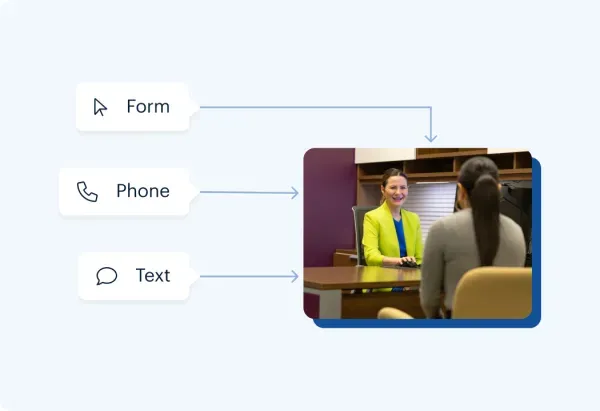
Contact Us 24/7 - It’s Free
Start your claim
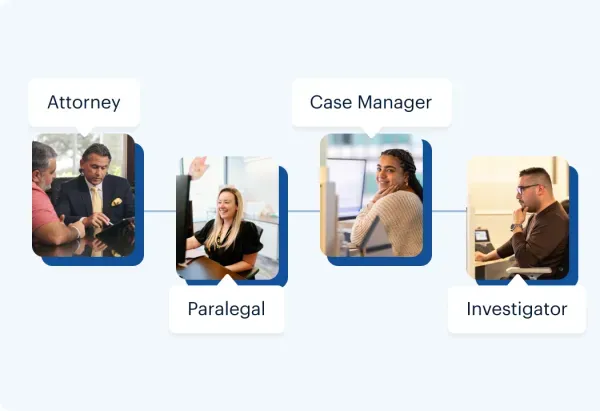
Meet your dedicated attorney
Meet the attorneys

We fight for more
Learn more about the case process
Results may vary depending on your particular facts and legal circumstances. The attorneys shown in these photos may not be licensed in your state. To find an attorney licensed in your area, please visit our attorney page.
Local Care
Backed by America’s Largest Injury Law Firm.
- $35 BillionRecovered for clients
nationwide - 700,000+Clients and families
served - 1,100+Attorneys across
the country - 1Click may change your life
We know your pain.
John Morgan’s brother Tim was injured as a teen. Their experience with a lawyer was a nightmare. John spent 35 years building a firm to do better for families like his. And yours.

The attorney featured above is licensed in Florida. For a full list of attorneys in your state please visit our attorney page.
Results may vary depending on your particular facts and legal circumstances.
Learn More
Injured and not sure what to do next?
We'll guide you through everything you need to know.