Results may vary depending on your particular facts and legal circumstances. The attorney featured may not be licensed in your state. For a full list of attorneys in your state please visit our attorney page.
SAVANNAH BIRTH INJURY LAWYER
Medical errors during labor and delivery in Savannah can cause birth injuries with lifelong consequences for families. The birth injury team at Morgan & Morgan investigates these cases with medical experts and fights for fair compensation for the child's care.
Results may vary depending on your particular facts and legal circumstances. The attorney featured may not be licensed in your state. For a full list of attorneys in your state please visit our attorney page.



















Savannah Birth Injuries
During the birthing process, both mother and child are vulnerable to injuries. Whether it is due to inexperience or full on carelessness on the part of the medical provider, there are several cases when negligent doctors and medical staff cause serious life-altering injuries to their patients.
Medical negligence is a risk during any procedure, but fragile newborns are extremely susceptible to injuries that can cause a lifetime of disability and medical expenses, including Erb’s Palsy, Cerebral Palsy, Brachial Plexus injury, and more.
It can be difficult to prove negligence on the part of the medical facility on your own, as doctors will not readily admit when mistakes occur. That’s where an experienced birth injury lawyer can help.
Our birth injury attorneys at Morgan & Morgan have years of experience spotting medical mistakes and proving that medical negligence, not simple misfortune, was the cause of a newborn’s permanent disabilities.
Pursuing a lawsuit cannot fix the harm that was done to your newborn, but our attorneys will fight to try and hold the negligent parties responsible for their actions, recover compensation for costly medical expenses, and bring justice to you and your baby after a traumatic delivery.
If your family has suffered a birth injury caused by medical negligence, we may be able to help. To learn how the birth injury attorneys at our Savannah office may be able to help, please fill out our free case evaluation form today.
150,000+ Five Star Reviews
The reasons why clients trust Morgan & Morgan.






Results may vary depending on your particular facts and legal circumstances. Based on select nationwide reviews.
What are the most common types of birth injuries in Savannah, Georgia?
Birth injuries can result from complications during labor and delivery and, in some cases, medical negligence. Some of the most common birth injuries families face in Savannah, Georgia, include:
- Hypoxic-Ischemic Encephalopathy (HIE): A serious brain injury caused by oxygen deprivation during labor or delivery. HIE can result in long-term disability or death.
- Cerebral Palsy: A neurological disorder affecting movement, muscle tone, and coordination. It may result from oxygen deprivation, brain trauma, infection, or HIE during birth.
- Perinatal Asphyxia: Occurs when a baby does not receive enough oxygen before, during, or shortly after birth, potentially leading to brain damage or organ failure.
- Brachial Plexus Injuries (Erb’s Palsy & Klumpke’s Palsy): Nerve injuries affecting the arm and hand, often caused by excessive traction or shoulder dystocia during delivery.
- Bone Fractures: The clavicle (collarbone) is most commonly fractured during difficult deliveries, including breech births or forceps/vacuum-assisted deliveries.
- Facial Nerve Damage (Bell’s Palsy): Pressure during delivery, especially with forceps, can cause temporary or permanent facial paralysis.
- Intracranial Hemorrhage: Bleeding in the brain caused by birth trauma, sometimes associated with assisted deliveries.
- Cephalohematoma: A collection of blood between the skull and its covering membrane, often linked to vacuum or forceps use.
- Caput Succedaneum: Scalp swelling caused by prolonged pressure during labor.
- Spinal Cord Injuries: Although uncommon, severe spinal injuries can occur due to excessive traction or the improper use of delivery instruments.
What are the early signs and symptoms of a birth injury?
Early signs and symptoms of a birth injury may differ based on the type and severity of the condition. Some symptoms appear immediately, while others may take weeks or months to become noticeable. Some key signs to watch for are:
Immediate Signs (at Birth or Shortly After)
- Low Apgar Scores: Scores that remain low at 5 and 10 minutes may suggest oxygen deprivation or other complications.
- Weak or Absent Reflexes: Limited reflexes, such as a weak grasp or startle response, may indicate neurological concerns.
- Seizures: Seizures within the first 48 hours can be associated with brain injury, oxygen deprivation, or intracranial bleeding.
- Muscle Stiffness or Floppiness: Abnormal muscle tone, including stiffness (hypertonia) or floppiness (hypotonia), may point to nerve or brain damage.
- Difficulty Breathing: Respiratory distress or the need for resuscitation at birth may indicate perinatal asphyxia.
- Poor Feeding or Sucking Difficulties: Weak sucking, trouble swallowing, or excessive drooling may signal nerve damage or a brain injury.
- Abnormal Movements: Jerky, spastic, or uncoordinated movements may suggest a neurological issue.
Signs That May Appear in the First Few Months
- Delayed Milestones: Not lifting the head, rolling over, or reaching for objects at expected developmental stages may suggest motor or neurological delays.
- Abnormal Muscle Tone: Persistent stiffness (hypertonia) or limpness (hypotonia) in arms or legs.
- Favoring One Side of the Body: A baby who consistently favors one side, such as keeping a hand clenched or not moving one arm, may have nerve or muscle damage.
- Unusual Crying or Irritability: Excessive fussiness, arching the back, or inconsolable crying can signal pain or discomfort from an injury.
- Struggles With Vision or Hearing: Lack of response to sights and sounds may indicate sensory impairments linked to a birth injury.
- Seizures or jerking movements at home.
Long-Term Developmental Signs
- Speech or Cognitive Delays: Trouble with babbling, speech, or understanding language may suggest brain injury.
- Difficulty with Coordination and Motor Skills: Issues with crawling, walking, or grasping objects could be related to a birth-related nerve or muscle injury. Children with brain injuries can also sometimes be observed drooling excessively and/or toe walking.
- Persistent Muscle Weakness or Paralysis: Affected limbs or facial muscles may not function properly due to nerve damage.
If a birth injury is suspected, early diagnosis and intervention are important. Physical therapy, occupational therapy, and medical treatments can improve long-term outcomes.
What should I do if I suspect a birth injury in Savannah?
If you believe a birth injury may have occurred, taking prompt and informed steps can help ensure your child receives appropriate care and support.
Seek Immediate Medical Attention
If you observe symptoms such as seizures, feeding difficulties, abnormal muscle stiffness, or developmental delays, it is important to consult a pediatrician or specialist promptly. Early evaluation and care may help improve long-term outcomes.
Request a Comprehensive Medical Evaluation
Ask for a full evaluation, which may include neurological exams, imaging studies like MRI or CT scans, developmental screenings, and, when appropriate, genetic testing to rule out hereditary conditions.
Maintain Detailed Medical Records
Keep records of all medical visits, test results, diagnoses, and treatments. Tracking symptoms, medications, and therapies can be important for both ongoing care and any potential legal claim.
Consult Qualified Specialists
Collaborating with specialists such as pediatric neurologists, physical therapists, or occupational therapists can help support your child’s development. Early intervention services are often essential.
Track Developmental Milestones
Compare your child’s development with typical milestones. Delays in rolling over, sitting, crawling, or walking may signal the need for further evaluation.
Contact Morgan & Morgan in Savannah, Georgia
If you suspect a medical error during pregnancy, labor, or delivery contributed to the injury, speaking with a birth injury attorney can help you understand your options. An attorney can review records, evaluate potential negligence, and explain possible paths forward.
How do birth injuries impact families in Savannah?
Birth injuries can have a profound impact on families, affecting them emotionally, financially, and physically. The impact will vary based on the severity of the injury, the child’s long-term needs, and the level of support that is available.
Emotional and Psychological Impact
- Stress and Anxiety: Parents often experience overwhelming stress, fearing for their child’s future and dealing with uncertainty.
- Depression and Grief: Some families go through a grieving process, mourning the life they had envisioned for their child.
- Guilt and Blame: Parents may struggle with feelings of guilt, wondering if they could have done something differently.
- Strained Relationships: The emotional strain can place pressure on marriages and family relationships, sometimes resulting in conflict or even separation.
- Sibling Challenges: Siblings may feel neglected as parents focus on the injured child’s needs, leading to feelings of resentment or confusion.
Financial Burden
- Medical Expenses: The cost of hospital stays, surgeries, therapies, and ongoing medical treatment can place a significant strain on families.
- Rehabilitation and Therapy Costs: Many children with birth injuries need physical, occupational, and speech therapy, and the costs of these services can add up over time.
- Assistive Equipment and Home Modifications: Families may need to invest in equipment such as wheelchairs, braces, or communication devices, and may also need to modify their homes to improve accessibility.
- Loss of Income: In some situations, parents may need to cut back on work hours or leave their jobs altogether to provide care, which can add to the financial strain.
Long-Term Care and Lifestyle Adjustments
- Ongoing Medical Needs: Some birth injuries, like cerebral palsy or brain damage, require lifelong medical care.
- Educational Challenges: Children with developmental delays or disabilities may require special education services, tutoring, or individualized learning plans.
- Caregiver Responsibilities: Parents often become full-time caregivers, impacting their ability to work, socialize, or take care of themselves.
- Limited Mobility and Social Opportunities: Families may need to make adjustments to accommodate their child’s mobility and health needs in daily life.
Legal and Advocacy Challenges
- Seeking Justice: If the birth injury was caused by medical negligence, families may need to navigate legal battles to secure compensation.
Advocating for Their Child: Parents often need to fight for their child’s rights, whether in healthcare, education, or disability services.
How can I tell if my child’s injury was caused by medical negligence?
Birth injuries may occur due to medical negligence when healthcare providers do not meet the accepted standard of care during pregnancy, labor, delivery, or postnatal care. When warning signs are missed or treatment is not provided in a timely manner, the consequences can be serious and long-term.
Examples of negligence that may lead to birth injuries include:
- Failure to respond to fetal distress: Delays in performing an emergency C-section or intervening when oxygen levels drop can result in brain damage, cerebral palsy, or HIE.
- Improper use of forceps or vacuum devices: Misuse can cause skull fractures, nerve damage, brain bleeds, or brachial plexus injuries.
- Delayed C-section: Prolonged labor without timely surgical intervention may lead to oxygen deprivation.
- Medication errors: Incorrect dosing of labor-inducing drugs or anesthesia mistakes can harm both mother and baby.
- Failure to diagnose or treat maternal conditions: Untreated infections or pregnancy complications may cause serious birth injuries.
- Umbilical cord complications: Unaddressed cord issues can result in oxygen deprivation or stillbirth.
- Failure to treat severe jaundice: Untreated jaundice can lead to kernicterus and permanent neurological damage.
Determining whether negligence occurred usually requires a careful review of medical records and expert evaluation. An experienced attorney can help assess whether the standard of care may have been breached and explain your legal options.
What is the difference between a birth injury and a birth defect?
A birth injury refers to harm or trauma an infant experiences during labor or delivery due to medical negligence, improper techniques, or a failure to respond appropriately or promptly to complications. These injuries may be temporary or permanent and can affect a child’s physical and cognitive development.
A birth defect, by contrast, is a congenital condition that develops before birth as a result of genetic, environmental, or unknown factors. Most birth defects are not caused by medical errors during labor or delivery, though they can still lead to long-term challenges. In some cases, however, a failure to properly detect or timely treat certain birth defects may involve medical negligence.
Key Differences Between Birth Injuries and Birth Defects
- Timing: Birth injuries occur during labor and delivery, while birth defects develop before birth in the womb.
- Cause: Birth injuries are often preventable and may result from medical negligence, whereas birth defects are typically linked to genetic, environmental, or unknown factors.
- Treatment: Some birth injuries may improve over time with therapy, while birth defects often require ongoing or long-term medical care.
Can Birth Defects Be Misdiagnosed as Birth Injuries?
Yes, some birth defects may initially present symptoms similar to birth injuries. However, thorough medical evaluations and expert opinions can distinguish between the two, determining if negligence played a role.
Can a birth injury be prevented?
Not all birth injuries can be prevented, but many may be avoided with proper medical care before, during, and after delivery. Prevention often depends on healthcare providers meeting the accepted standard of care and parents staying informed about potential risks.
Steps that may help reduce the risk of birth injuries include:
Proper Prenatal Care
Regular prenatal visits can help monitor fetal development and identify complications such as gestational diabetes, infections, or high blood pressure. High-risk pregnancies may require closer monitoring and referral to specialists.
Monitoring for Fetal Distress
Continuous monitoring during labor can help detect signs of oxygen deprivation or abnormal heart rates. Timely intervention, including a C-section when necessary, may help prevent conditions such as HIE or cerebral palsy.
Careful Use of Delivery Tools
Forceps and vacuum extractors should be used with caution and proper technique to reduce the risk of skull fractures, nerve injuries, or brain bleeding.
Preventing Oxygen Deprivation
Complications such as cord compression, placental abruption, or prolonged labor require prompt medical attention to protect the baby’s oxygen supply.
Responsible Use of Medications
Labor-inducing drugs and anesthesia should be carefully administered to avoid excessive contractions or other complications.
Monitoring and Treating Jaundice
Early detection and treatment of newborn jaundice can help prevent kernicterus and long-term neurological damage.
Parental Awareness
Parents who recognize warning signs and advocate for timely medical care may help reduce the risk of further harm.
If a birth injury occurs due to delayed intervention, improper technique, or failure to monitor complications, it may involve medical malpractice. In such cases, families may have legal options to pursue compensation for medical care and long-term support.
Does my child’s condition qualify for a lawsuit in Savannah, Georgia?
Whether your child’s condition qualifies for a birth injury lawsuit depends on three key factors: negligence, harm, and preventability.
Was there medical negligence?
A claim may exist if a healthcare provider failed to meet the accepted standard of care during pregnancy, labor, delivery, or postnatal treatment. Examples can include failing to respond to fetal distress, delaying a necessary C-section, misusing delivery tools, or failing to diagnose and treat complications.
Did the injury cause significant harm?
To pursue a lawsuit, the injury must have resulted in measurable harm, such as brain injury, cerebral palsy, nerve damage, cognitive impairment, or other long-term medical needs.
Was the injury preventable?
A key issue is whether the injury could have been prevented with proper medical care. If timely intervention or adequate monitoring would likely have avoided the harm, legal action may be warranted.
Because birth injury cases are medically complex, determining eligibility typically requires a detailed review of medical records and expert evaluation. An experienced birth injury attorney in Savannah, Georgia, can assess your situation and explain your legal options during a free case review.
Who can be held responsible for a birth injury in Savannah, Georgia?
Liability for a birth injury depends on what happened and who was involved in the child’s care. In many cases, responsibility may extend beyond just one provider. Potentially liable parties can include:
- Obstetricians (OB/GYNs): Doctors managing pregnancy and delivery may be responsible if they failed to respond to fetal distress, delayed a necessary C-section, misused delivery tools, or failed to monitor oxygen levels.
- Midwives: If a midwife mishandled labor, failed to recognize complications, or did not refer a high-risk situation to a physician, they may be held accountable.
- Anesthesiologists: Errors in administering or monitoring anesthesia during labor can lead to serious complications for both mother and baby.
- Nurses and Labor & Delivery Staff: Medical staff may be liable if they failed to properly monitor vital signs, report complications, or follow established protocols.
- Hospitals and Medical Facilities: Hospitals can be responsible for inadequate staffing, poor training, faulty equipment, or unsafe policies that contribute to preventable injuries.
- Pediatricians or Neonatologists: Doctors responsible for newborn care may be liable if they fail to diagnose or treat serious conditions after birth, such as jaundice, infections, or oxygen-related injuries.
- Product or Drug Manufacturers: In some cases, a defective medical device or dangerous medication may contribute to the injury.
How is liability proven in a Savannah, Georgia, birth injury case?
To hold any party responsible, it must be shown that they failed to meet the accepted standard of care and that this failure directly caused the injury. This typically requires:
- A detailed review of medical records
- Expert medical testimony
- Evidence of the injury and its long-term impact
Because birth injury cases are medically complex, determining responsibility often requires careful investigation and expert evaluation.
What kind of compensation can I recover for a birth injury case in Savannah, Georgia?
If a birth injury was caused by medical negligence, families may be entitled to compensation for both financial losses and the long-term impact of the injury. Damages generally fall into three categories: economic, non-economic, and, in rare cases, punitive damages.
Economic Damages (Financial Losses)
These damages cover measurable costs related to the injury, including:
- Medical expenses: Past and future treatment, surgeries, therapy, medications, hospital stays, and specialized care
- Assistive devices and equipment: Wheelchairs, communication tools, prosthetics, or other necessary aids
- Rehabilitation costs: Physical, occupational, or cognitive therapy
- Home modifications: Ramps, widened doorways, or accessibility updates for permanent disabilities
- Lost income: Wages lost by parents who must reduce work hours to provide care
- Future earning capacity: If the child’s disability affects their ability to work later in life
Non-Economic Damages (Personal Impact)
These damages address the non-financial effects of a birth injury, such as:
- Pain and suffering
- Emotional distress experienced by the child or parents
- Loss of enjoyment of life due to permanent disability
- Loss of consortium in certain circumstances
Punitive Damages (Rare)
In cases involving extreme or reckless misconduct, courts may award punitive damages to penalize the wrongdoer and deter similar behavior.
Because birth injury cases often involve lifelong care needs, compensation is typically calculated with the help of medical and financial experts to account for both current and future impacts.
What factors might affect the amount of compensation available after a Savannah birth injury case?
The amount of compensation you can recover depends on various factors, including:
- Severity of the injury: The more severe the birth injury and its long-term impact on your child, the higher the compensation.
- Duration of care needed: The longer the child requires medical attention, therapy, or rehabilitation, the higher the potential compensation for future care costs.
- Evidence of negligence: The strength of the evidence proving medical malpractice or negligence will directly impact the success and amount of the compensation.
- State-specific laws: State-specific laws can affect how damages are calculated and what compensation may be available in a birth injury case. Birth injury claims in Georgia are generally handled as medical malpractice cases and often require extensive medical records, expert review, and a life care plan to evaluate long-term needs properly.
- Financial impact on the family: The ability of the parents to continue working and the amount of lost income will affect the damages awarded.
What is the legal process of a birth injury lawsuit in Savannah, Georgia?
A birth injury lawsuit generally follows a structured process that begins with an initial case review and may proceed through investigation, negotiations, and, if necessary, trial. While specific procedures can vary by state, most cases follow similar steps:
- Case Evaluation: An attorney reviews medical records, the details surrounding the birth, and whether there is evidence of medical negligence. If the claim appears valid, the process moves forward.
- Investigation: The legal team gathers relevant medical records and consults qualified experts to determine whether the standard of care was violated and whether that failure caused the injury.
- Filing the Lawsuit: If supported by evidence, a formal complaint is filed against the responsible parties, which may include doctors, nurses, hospitals, or other healthcare providers.
- Discovery: Both sides exchange information, take depositions (sworn testimony), and obtain expert opinions as they prepare their cases.
- Settlement or Trial: Many birth injury cases are resolved through settlement negotiations. If a fair resolution cannot be reached, the case may go to trial, where a judge or jury determines liability and damages.
- Resolution: If compensation is awarded through a settlement or verdict, payment is made to address medical expenses, long-term care needs, and other losses. In some cases, appeals may follow.
Because birth injury cases often involve complex medical and legal issues, experienced legal guidance can be important at each stage of the process.
What is the role of insurance companies in birth injury cases in Savannah, Georgia?
Insurance companies often play a central role in birth injury cases because they are typically the ones responsible for paying compensation. Most doctors, hospitals, and healthcare providers carry medical malpractice insurance, which covers legal defense costs and settlements or verdicts if negligence is proven.
When a claim is filed, the provider’s insurance company is notified. An adjuster is assigned to investigate the case by reviewing medical records, consulting experts, and evaluating whether the policy covers the alleged negligence. The insurer also hires defense attorneys to represent the medical professional or facility.
Settlement Negotiations
In many cases, insurance companies play a role in negotiating a settlement before trial. However, insurers often seek to minimize payouts and may offer less than the full value of the claim. They may also try to resolve cases quickly to avoid the cost and uncertainty of litigation.
If a fair settlement cannot be reached, the case may move forward to trial. The insurance company typically provides the defense and is responsible for paying any damages awarded, up to the limits of the policy.
Coverage Limits and Long-Term Needs
Malpractice policies have financial limits, which can affect how much compensation is available. In catastrophic birth injury cases involving lifelong care, additional legal strategies may be necessary if damages exceed policy limits.
If an insurance company denies a claim, delays payment, or acts unfairly, further legal action may be required.
In short, insurance companies provide financial coverage and defense in birth injury claims, but their goal is often to minimize liability, which is why experienced legal representation can be critical.
How long do I have to file a birth injury lawsuit in Savannah, Georgia?
The time limit for filing a birth injury lawsuit is known as the statute of limitations, and it varies by state and by the specific circumstances of the case. These deadlines can be complex, especially in medical negligence claims, which many birth injury cases involve.
In some situations, exceptions may apply. For example, special rules may extend or modify the filing deadline in cases involving minors, government entities, or injuries that were not immediately discovered. Some states also have an additional outside deadline, often referred to as a statute of repose, that can limit how long after the incident a claim may be filed, regardless of when the injury was discovered.
Because these timelines can depend on factors such as when the injury was identified, who is involved, and state-specific procedural requirements, it’s important to speak with an attorney as soon as possible.
Filing within the applicable deadline is critical. Missing the statute of limitations can result in your case being dismissed and may prevent you from recovering compensation. An experienced attorney can help determine the specific time limits that apply to your situation and ensure your claim is filed properly and on time.
Could a Georgia birth injury compensation program apply?
Some states have specialized compensation programs for certain severe birth-related injuries. These programs operate outside of the traditional court system and may provide benefits through an administrative process rather than a standard medical malpractice lawsuit.
However, Georgia does not currently have a separate statewide birth injury compensation program. As a result, birth injury claims in Savannah and throughout Georgia are generally handled through the medical malpractice system in civil court.
These cases often require detailed medical records, expert review, and careful evaluation of long-term care needs. An attorney can assess the specific facts of the case and help determine the appropriate legal path forward under Georgia law.
Do I have to pay for a consultation in Savannah, Georgia?
No. Consultations at Morgan & Morgan are completely free. We believe everyone deserves access to legal advice, regardless of their financial situation.
Hiring one of our birth injury attorneys in Savannah is easy, and you can get started in minutes with a free case evaluation on our site or by phone.
Who will be on my Savannah case team?
When you hire Morgan & Morgan in Savannah, you don’t just hire a lawyer; you hire the largest personal injury law firm in the country with an army of over 1,000 attorneys and offices in all 50 states and Washington, D.C.
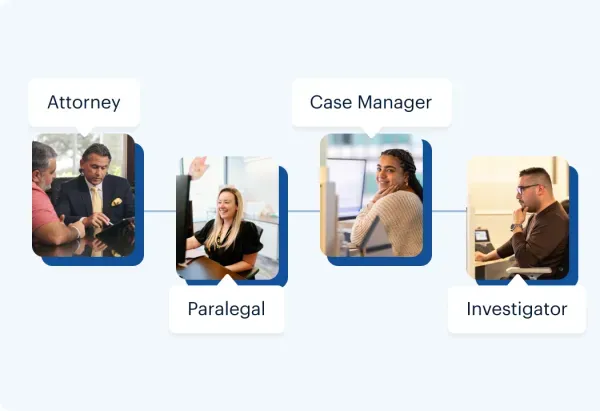
Your case will be handled by a dedicated team of professionals, including personal injury lawyers, paralegals, and support staff. You will be supported by a care team that includes a lead attorney who will manage your case and help ensure you receive individualized attention throughout the process.
When do I meet with my birth injury lawyer?
Communication is an important part of the process. Most updates and questions are handled through your Case Manager by phone or email. If you would like to speak directly with your attorney, a call can be scheduled to make that happen.
How much does it cost to hire a law firm like Morgan & Morgan for my birth injury case in Savannah, Georgia?
Morgan & Morgan’s lawyers work on a contingency fee basis, meaning that there are no upfront fees or expenses until your case comes to a successful conclusion. That’s right—the Fee Is Free™, and you only pay if we win.
Our fee is a percentage of the settlement or verdict amount, ensuring we are motivated to achieve the best possible outcome for you.
Why should I hire Morgan & Morgan in Savannah, Georgia, for my birth injury claim?
At Morgan & Morgan, our team of experienced attorneys has successfully represented countless clients in similar situations. As the largest personal injury law firm in the country with over 1,000 attorneys nationwide, we have the resources, knowledge, and dedication to fight for your rights. We’ve secured $30 billion for our clients nationwide, and insurers know we don’t back down.
If you’re in Savannah, Bibb County, or the surrounding Central Georgia area, a local team can help review what happened, gather relevant records, and explain your legal options.
We operate on a contingency fee basis, which means you do not pay unless compensation is recovered in your case. Morgan & Morgan believes justice should be accessible to everyone, which is why the firm follows the Fee Is Free® approach; you only pay if there is a recovery.
Contact Morgan & Morgan today for a free case evaluation to learn more about your legal options.
Our Results
How It Works
Unsure what to do next? With 35 years of experience, our personal
injury lawyers will guide you every step of the way.

Contact Us 24/7 - It’s Free
Start your claim
Meet your dedicated attorney
Meet the attorneys

We fight for more
Learn more about the case process
Results may vary depending on your particular facts and legal circumstances. The attorneys shown in these photos may not be licensed in your state. To find an attorney licensed in your area, please visit our attorney page.
Local Care
Backed by America’s Largest Injury Law Firm.
$30 Billion
Recovered for clients
nationwide700,000+
Clients and families
served1,000+
Attorneys across
the country1
Click may change your life
We know your pain.
John Morgan’s brother Tim was injured as a teen. Their experience with a lawyer was a nightmare. John spent 35 years building a firm to do better for families like his. And yours.

The attorney featured above is licensed in Florida. For a full list of attorneys in your state please visit our attorney page.
Results may vary depending on your particular facts and legal circumstances.
Learn More
Injured and not sure what to do next?
We'll guide you through everything you need to know.