Results may vary depending on your particular facts and legal circumstances. The attorney featured above is licensed in Florida. For a full list of attorneys in your state please visit our attorney page.
BRAIN INJURY LAWYER IN THE VILLAGES
Brain injuries in The Villages workplaces caused by falling objects, equipment failures, or unsafe conditions can support workers' comp claims and third-party liability suits. Morgan & Morgan evaluates both options.
Results may vary depending on your particular facts and legal circumstances. The attorney featured above is licensed in Florida. For a full list of attorneys in your state please visit our attorney page.




















When a Brain Injury Changes Everyday Life
A traumatic brain injury can affect memory, concentration, speech, mood, balance, and many other aspects of daily functioning. Some symptoms appear immediately, while others may not become clear until days or weeks after an accident. In The Villages, victims may struggle to return to work, maintain relationships, or perform activities they once handled without difficulty.
Because brain injury symptoms are not always visible, insurers may question their severity or argue that ongoing problems are unrelated to the accident. Medical records, neurological evaluations, witness testimony, and expert analysis can all help document the full extent of the injury.
Contact Morgan & Morgan for a free case evaluation if you or a loved one suffered a traumatic brain injury in The Villages. Our attorneys are committed to helping victims pursue compensation for current and future losses.
- 700,000+ clients Chose Morgan & Morgan Nationwide.
- $0 upfront Only pay if we win.
- Available 24/7 Get help anytime.
Brain Injury Cases in The Villages Need Three Things
Injury or Damages
Proof of Negligence
Medical Documentation
Talk to Our Team at No Cost
150,000+ Five Star Reviews
The reasons why clients trust Morgan & Morgan.





Results may vary depending on your particular facts and legal circumstances. Based on select nationwide reviews.
What is a traumatic brain injury in The Villages, Florida?
A traumatic brain injury (TBI) is a type of brain injury that occurs when an external force causes damage to the brain. It can result from various incidents such as car accidents, falls, sports injuries, or violent assaults. The severity of a TBI can vary widely, from a mild concussion to a more severe injury that causes long-term disability or even death.
TBIs are typically classified into three categories:
- Mild TBI (Concussion): The most common type, where a person may lose consciousness briefly or not at all. Symptoms often include headaches, confusion, dizziness, light sensitivity, irritability, or nausea, among other symptoms, but may not be immediately apparent.
- Moderate TBI: A person may lose consciousness for an extended period, and symptoms can include significant confusion, memory problems, and difficulty with coordination or speech.
- Severe TBI: This can cause long-lasting or permanent brain damage. Loss of consciousness for an extended period or a coma is common, and patients often experience significant cognitive, motor, and emotional challenges.
Symptoms of a traumatic brain injury can vary based on the severity of the injury and the part of the brain affected. Common signs may include headaches, memory loss, difficulty concentrating, mood changes, dizziness, blurred vision, or ringing in the ears.
A TBI may also cause long-term effects, such as cognitive difficulties, impaired motor skills, emotional changes, or shifts in personality. Treatment often begins with medical care to stabilize the injury, followed by rehabilitation to help the person regain function and adjust to any lasting limitations.
What should I do if I suspect I have a brain injury after an accident in The Villages, Florida?
If you believe that you are exhibiting any symptoms following a trauma in The Villages, Florida, it’s important to take immediate action to ensure your health and safety. Here’s what you should do:
Seek Medical Attention Right Away
Even if symptoms seem mild or develop later, you should see a doctor as soon as possible. A healthcare professional can assess your condition and order necessary tests, such as a CT scan or MRI, to diagnose the injury accurately. Delaying care can result in complications or worsen the injury.
Monitor Your Symptoms
Monitor and document any symptoms you experience, such as headaches, dizziness, confusion, nausea, blurred vision, memory difficulties, or changes in mood. Keep in mind that some symptoms may be delayed after the accident and can become more severe over time.
Rest and Recover
Give your brain time to heal by getting plenty of rest. This includes both physical rest (avoiding activities like exercise) and mental rest (limiting screen time and activities that require focus, like reading or working).
Follow Up With Your Doctor
After your initial medical evaluation, follow your doctor’s recommendations and attend all scheduled follow-up appointments. Because a traumatic brain injury can cause lasting effects, ongoing care and regular checkups can help monitor your recovery.
Contact Morgan & Morgan
If the brain injury was the result of an accident that wasn’t your fault, it might be a good idea to consult with a personal injury lawyer. They can help determine if you are entitled to compensation for medical bills, lost wages, and pain and suffering.
What types of accidents can lead to traumatic brain injuries?
Morgan & Morgan handles a variety of traumatic brain injury (TBI) cases, advocating for victims who have sustained injuries due to the negligence of others. Here are some common types of TBIs in The Villages, Florida:
Concussions (Mild TBI):
The most common type of brain injury, concussions, often result from blows to the head, falls, or accidents like car crashes. While many people recover fully from concussions, some may experience lingering symptoms that affect daily life, such as headaches, dizziness, and difficulty concentrating.
Contusions (Bruises to the Brain):
A contusion is a bruise on the brain tissue caused by a blow or impact. It can lead to swelling and bleeding in the brain, requiring prompt medical treatment to prevent further damage.
Coup-Contrecoup Injuries:
This type of injury occurs when the brain is jolted and strikes the inside of the skull at both the point of impact (coup) and on the opposite side (contrecoup). This can lead to widespread brain damage and is common in car accidents or falls.
Diffuse Axonal Injury (DAI):
DAI occurs when the brain experiences a violent shaking or twisting motion, causing the brain’s nerve fibers (axons) to tear. This type of injury is often seen in high-speed collisions, such as car accidents, and can result in severe, long-term impairment or even coma.
Penetrating Brain Injuries:
These injuries occur when an object, such as metal or glass, pierces the skull and enters the brain. Penetrating brain injuries can cause severe damage and may result in cognitive, motor, and emotional impairments.
Brain Hemorrhages (Bleeding):
A brain hemorrhage occurs when a blood vessel in the brain bursts, leading to internal bleeding. This type of injury can be life-threatening and requires immediate medical attention to prevent further complications. It may result from a serious fall or a high-impact accident.
Subdural Hematoma:
A subdural hematoma is a collection of blood between the brain and its outer covering. It often results from a head injury, and the buildup of blood can increase pressure on the brain, leading to serious complications.
Epidural Hematoma:
This occurs when blood collects between the skull and the outer layer of the brain, typically after a head injury. It can lead to rapid brain swelling and requires immediate surgical intervention to avoid life-threatening consequences.
Chronic Traumatic Encephalopathy (CTE):
Although more commonly associated with repeated head trauma (such as in athletes or military personnel), CTE can also result from a single severe TBI. It causes long-term cognitive decline, memory problems, and mood changes, and is diagnosed posthumously.
Who can file a traumatic brain injury lawsuit in The Villages, Florida?
A TBI lawsuit can be filed by various parties, depending on the situation and the individual’s circumstances. Here’s a breakdown of who can file a TBI lawsuit in The Villages, Florida:
The TBI Victim (Injured Party)
- Primary claimant: The person who sustains a traumatic brain injury because of an accident or another party’s negligence is generally the primary person entitled to file a lawsuit. They may seek compensation for medical expenses, lost income, pain and suffering, and other costs related to recovery or ongoing care.
- Important note: If the victim is able to do so, they must file the lawsuit within the statute of limitations for personal injury in their jurisdiction, which typically ranges from one to four years, depending on the state.
Family Members (In Cases of Severe Injury or Death)
- Spouse: When a severe TBI leaves the injured person unable to pursue a claim because of physical or cognitive limitations, a spouse may be able to take legal action on their behalf. A spouse may also have claims involving losses such as companionship or emotional support.
- Parents: When a child suffers a TBI, a parent or legal guardian may file a lawsuit on the child’s behalf. The claim may seek compensation for medical treatment, future care, pain and suffering, and other related damages.
- Children: If a TBI results in death, the victim’s children or other eligible family members may be able to file a wrongful death lawsuit. Compensation may include loss of financial support, funeral expenses, and other losses related to the death.
Legal Guardians or Conservators
- Guardianship: If the TBI victim is incapacitated and cannot manage their own legal affairs due to the severity of the injury (e.g., being in a coma or having severe cognitive impairments), a legal guardian or conservator may be appointed to file the lawsuit on their behalf.
Estate Representatives
- Executor of the estate: In the tragic event that the TBI victim passes away due to their injury, the executor or administrator of the estate may file a wrongful death lawsuit on behalf of the deceased. This is typically done by the person designated in the victim’s will or by the court if no will exists.
What are the signs and symptoms of brain injuries in The Villages, Florida?
Signs and symptoms of a brain injury can vary depending on the severity and type of injury (mild, moderate, or severe). Some symptoms may appear immediately, while others can develop over hours or days. Here are common signs and symptoms to watch for after a head injury:
Physical Symptoms
- Headache: A persistent or severe headache is one of the most common symptoms following a brain injury.
- Nausea or vomiting: Nausea or vomiting after a blow to the head may be a sign of a concussion or a more serious injury.
- Dizziness or balance problems: This may include feeling lightheaded, having difficulty walking or coordinating movements, or struggling to maintain balance.
- Fatigue or drowsiness: A person may feel unusually tired, sluggish, or have difficulty staying awake.
- Sensitivity to light or noise: Increased sensitivity to bright lights or loud sounds is common with concussions and mild TBIs.
- Blurred or double vision: A brain injury may cause difficulty seeing clearly or result in double vision.
- Ringing in the ears: Tinnitus may cause ringing, buzzing, or other sounds in one or both ears.
- Seizures: More serious brain injuries may cause seizures or convulsions.
- Loss of consciousness: A person may briefly or for an extended period lose consciousness after a head injury.
- Swelling or tenderness: Bruising, swelling, or tenderness may develop around the head, face, neck, or point of impact.
Cognitive Symptoms
- Confusion or disorientation: Feeling "foggy," confused, or having trouble focusing. This can include difficulty remembering important information or events right before or after the injury.
- Memory loss (amnesia): Difficulty remembering things, especially immediately before or after the injury.
- Difficulty concentrating or thinking clearly: Trouble staying focused, thinking through tasks, or processing information.
- Slow thinking or processing: A noticeable delay in response times or difficulty following conversations.
Emotional and Behavioral Symptoms
- Mood swings: Irritability, frustration, or experiencing sudden emotional changes.
- Anxiety or depression: Feelings of anxiety, depression, or overwhelming sadness, which may be a result of the injury or a change in brain function.
- Personality changes: A noticeable shift in behavior, such as becoming more impulsive, withdrawn, or exhibiting uncharacteristic aggression.
- Sleep disturbances: Trouble falling asleep, staying asleep, or sleeping too much. Some individuals may also experience disturbed sleep cycles.
Severe Symptoms (Emergency Signs)
- Severe headache or worsening pain: If a headache becomes progressively worse, it could signal swelling or bleeding in the brain.
- Loss of consciousness for an extended period: Prolonged unconsciousness, confusion, or a coma after an injury is a serious sign of a severe brain injury.
- Weakness or numbness in limbs: Loss of strength or feeling on one side of the body, or difficulty moving a limb, may indicate nerve damage or brain injury.
- Clear fluids or blood leaking from the nose or ears: This could be a sign of a skull fracture or other severe injury.
- Slurred speech or difficulty speaking: Trouble speaking, slurred speech, or difficulty understanding language.
- Uncontrolled bleeding or bruising: Profuse bleeding or bruising around the head or face, particularly if accompanied by symptoms of confusion or dizziness.
What are the signs of a brain injury in children or infants?
For young children or infants who cannot express their symptoms, look out for signs like:
- Excessive crying or irritability
- Change in eating or sleeping patterns
- Bulging soft spot (fontanel) on an infant’s head
- Changes in behavior, such as lethargy or less interaction than usual
- Loss of balance or trouble walking
When should I seek medical attention after a head injury in The Villages, Florida?
If you or someone else exhibits any of the following signs after a head injury, it's critical to seek immediate medical help:
- Persistent or worsening headaches
- Seizures
- Loss of consciousness (even briefly)
- Severe confusion or disorientation
- Difficulty breathing or swallowing
- Clear fluid draining from the ears or nose
- Unexplained vomiting or worsening nausea
- Any other unusual or severe symptoms
Our Results
How It Works
Unsure what to do next? With 35 years of experience, our personal
injury lawyers will guide you every step of the way.

Contact Us 24/7 - It’s Free
Start your claim
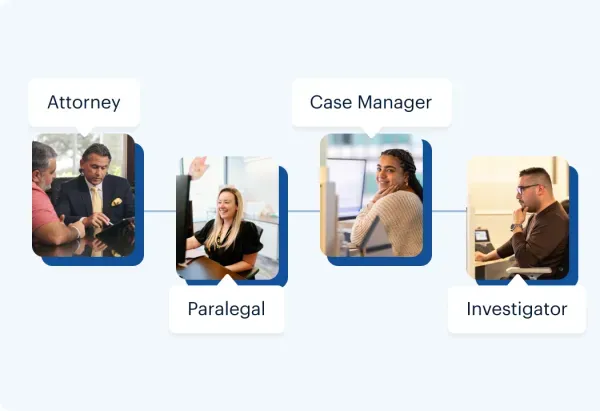
Meet your dedicated attorney
Meet the attorneys
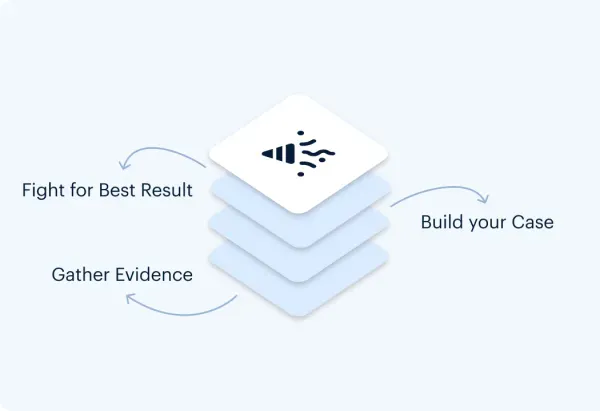
We fight for more
Learn more about the case process
Results may vary depending on your particular facts and legal circumstances. The attorneys shown in these photos may not be licensed in your state. To find an attorney licensed in your area, please visit our attorney page.
Local Care
Backed by America’s Largest Injury Law Firm.
- $35 BillionRecovered for clients
nationwide - 700,000+Clients and families
served - 1,100+Attorneys across
the country - 1Click may change your life
We know your pain.
John Morgan’s brother Tim was injured as a teen. Their experience with a lawyer was a nightmare. John spent 35 years building a firm to do better for families like his. And yours.

The attorney featured above is licensed in Florida. For a full list of attorneys in your state please visit our attorney page.
Results may vary depending on your particular facts and legal circumstances.
Learn More
Injured and not sure what to do next?
We'll guide you through everything you need to know.
