Results may vary depending on your particular facts and legal circumstances. The attorney featured above is licensed in Florida. For a full list of attorneys in your state please visit our attorney page.
SOUTHFIELD WORKERS' COMPENSATION ATTORNEY
Workplace injuries can upend your life fast; medical bills rise, paychecks stop, and uncertainty follows. Workers’ compensation should help, but claims are often delayed or denied. Morgan & Morgan fights for injured Southfield workers to secure benefits.
Results may vary depending on your particular facts and legal circumstances. The attorney featured above is licensed in Florida. For a full list of attorneys in your state please visit our attorney page.















Southfield Workers' Compensation
Have you sustained an injury while performing your job? Are your lost wages and medical bills becoming more than you can handle? Don’t worry: we’re here to help.
At Morgan & Morgan, we understand that the consequences of an on-the-job accident extend beyond physical pain. Your injury is undoubtedly stressful, and seemingly endless expenses can further complicate your situation. You didn’t ask to be injured; you deserve to be compensated for your hardship.
You shouldn’t have to fight the insurance company bullies alone. If your workers’ compensation claim was unjustly denied, our firm can guide you through the appeals process and give you the best possible chance of securing the compensation you’re entitled to. Plus, it costs nothing to hire us and we only get paid if we win your case.
Complete a free, no-obligation case evaluation today and see why there’s only one Morgan & Morgan.
150,000+ Five Star Reviews
The reasons why clients trust Morgan & Morgan.






Results may vary depending on your particular facts and legal circumstances. Based on select nationwide reviews.
What is workers’ compensation in Michigan?
Workers’ compensation is a no-fault insurance system designed to protect employees who are injured or become ill because of their jobs. In most cases, benefits are available regardless of who caused the accident, as long as the injury or condition is related to your work duties.
In Michigan, workers’ compensation is meant to cover essential needs while you recover. Benefits may include medical treatment, partial wage replacement, disability benefits, and, in some cases, vocational rehabilitation if you can’t return to your prior job. These benefits are intended to provide stability during a difficult time.
Unfortunately, the system doesn’t always work as smoothly as it should. Claims may be delayed, denied, or challenged by employers and insurance carriers. When that happens, injured workers can find themselves without income or medical care, right when they need support the most.
What types of injuries are covered by workers’ compensation?
Michigan workers’ compensation laws cover a broad range of job-related injuries and illnesses. Coverage is not limited to sudden accidents and can apply to conditions that develop over time due to workplace demands.
Commonly covered injuries include:
- Traumatic injuries, such as broken bones, traumatic brain injuries, spinal cord damage, or crush injuries caused by falls, machinery, or workplace accidents
- Repetitive stress injuries, including carpal tunnel syndrome, tendonitis, and joint damage caused by repetitive motions or prolonged strain
- Occupational illnesses, such as hearing loss from long-term noise exposure, respiratory conditions, or illnesses linked to chemical or toxin exposure
- Burns and electrical injuries, including chemical burns, thermal burns, and electrocution injuries
- Aggravation of pre-existing conditions, when work activities worsen an existing injury or medical condition
Importantly, workers’ compensation may apply even when symptoms don’t appear right away. Injuries that develop gradually or worsen over time can still qualify for benefits if they are connected to your job.
Do I need a workers’ compensation lawyer in Southfield?
Many injured workers assume workers’ compensation claims are straightforward. In reality, employers and insurance carriers often challenge claims by questioning whether the injury was work-related, blaming pre-existing conditions, or disputing the severity of the injury.
A workers’ compensation lawyer can help by:
- Making sure your injury is properly documented
- Protecting you from unfair insurer tactics
- Challenging claim denials or benefit reductions
- Guiding you through the appeal process if benefits are cut off
Insurance companies know that Morgan & Morgan attorneys are prepared to fight, and that can make a real difference in how claims are handled.
What should I do after a workplace injury in Southfield?
Taking the right steps early can protect both your health and your benefits:
- Report the injury to your employer as soon as possible
- Seek medical treatment and follow all care instructions
- Document how the injury affects your ability to work
- Keep copies of medical records and communications
- Avoid signing paperwork or statements you don’t understand
Delays, missing documentation, or misstatements can be used to deny otherwise valid claims.
What types of benefits can workers’ compensation provide?
Workers’ compensation benefits are designed to support injured employees during recovery and, in some cases, beyond. The type and amount of benefits available depend on the severity of the injury and how it affects your ability to work.
Depending on your situation, benefits may include:
- Medical care, including doctor visits, surgery, physical therapy, prescriptions, and necessary medical devices
- Wage-loss benefits, which may replace a portion of your income while you’re unable to work or working with restrictions
- Disability benefits, which can be temporary or permanent, and partial or total, depending on whether you can return to work and in what capacity
- Vocational rehabilitation, if your injury prevents you from returning to your prior job and retraining is needed
In many cases, workers receive partial benefits if they can return to light-duty or lower-paying work while still recovering. When benefits are delayed, reduced, or don’t reflect the true impact of an injury, legal guidance may be necessary to protect long-term financial stability.
What types of disability benefits are available in Michigan workers’ compensation cases?
Workers’ compensation disability benefits in Michigan are based on how a work injury affects your ability to earn a living. Not all disabilities are treated the same, and benefits may be temporary, partial, or permanent depending on the circumstances.
Common types of disability benefits include:
- Temporary Total Disability (TTD): Paid when you are completely unable to work for a period of time while recovering from your injury.
- Temporary Partial Disability (TPD): Available when you can return to work in a limited or light-duty role but earn less than you did before the injury.
- Permanent Partial Disability (PPD): Applies when an injury causes lasting impairment but does not completely prevent you from working in some capacity.
- Permanent Total Disability (PTD): Reserved for the most severe injuries that permanently prevent any gainful employment.
Disputes often arise over how severe a disability is, whether it is truly permanent, and how long benefits should continue. Insurance companies may attempt to reduce or terminate benefits early, making proper documentation and legal advocacy especially important.
What if my workers’ compensation claim was denied?
Claim denials are more common than many workers expect. Employers and insurers may argue that:
- The injury didn’t happen at work
- A pre-existing condition caused the problem
- Medical evidence is insufficient
- You’re able to return to work sooner than you should
Appeals are often time-sensitive and highly procedural. Missing a step can cost you benefits permanently, which is why legal guidance matters early.
Can I file a workers’ compensation claim and a personal injury lawsuit?
In some cases, yes. While workers’ compensation generally prevents injured employees from suing their employers directly, it does not always prevent lawsuits against third parties whose negligence contributed to the injury.
Third-party claims may apply when someone outside your workplace played a role in the accident, such as a negligent driver, an equipment or machinery manufacturer, a subcontractor, or a property owner. These claims are separate from workers’ compensation and can allow injured workers to pursue compensation beyond standard benefits.
A third-party personal injury lawsuit may provide damages that workers’ compensation does not cover, including full lost wages, pain and suffering, and long-term financial losses. Identifying third-party liability often requires a detailed investigation into how the accident occurred, who was involved, and what safety failures contributed to the injury.
Because workers’ compensation and personal injury claims follow different legal rules, coordinating both properly is essential to protecting your total recovery.
How does workers’ compensation interact with Social Security Disability?
Serious work-related injuries or illnesses may qualify injured workers for both workers’ compensation and Social Security Disability benefits. In many cases, these programs work together to provide financial support when returning to work isn’t possible.
However, the two systems are closely connected. Workers’ compensation payments can affect the amount of Social Security Disability benefits you receive, and mistakes in timing, documentation, or coordination can reduce total recovery. In some situations, benefits may be offset or delayed if claims are not handled carefully.
Coordinating workers’ compensation and Social Security Disability claims properly is critical to protecting long-term financial stability and ensuring injured workers receive the full support they’re entitled to under the law.
Why should I choose Morgan & Morgan for a workers’ compensation case in Southfield?
Workers’ compensation cases aren’t just paperwork; they affect your livelihood. Morgan & Morgan believes injured workers deserve strong advocacy, clear guidance, and access to justice regardless of financial circumstances.
There are no upfront costs, and you only pay if benefits or compensation are recovered. From claim disputes to appeals, our legal teams are prepared to fight back against unfair denials and insurer pressure.
If you were hurt on the job in Southfield, contact Morgan & Morgan today for a free case evaluation and take the first step toward protecting your future.
Our Results
How It Works
Unsure what to do next? With 35 years of experience, our personal
injury lawyers will guide you every step of the way.
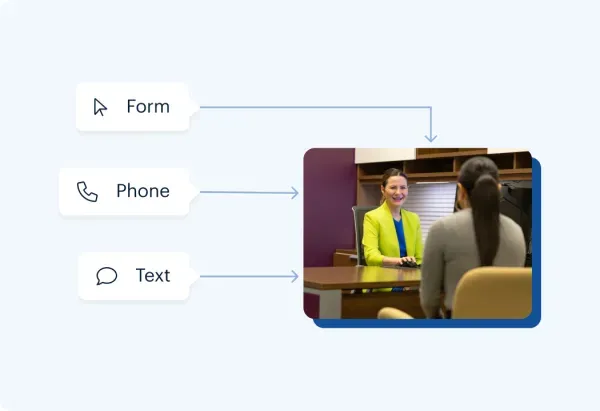
Contact Us 24/7 - It’s Free
Start your claim
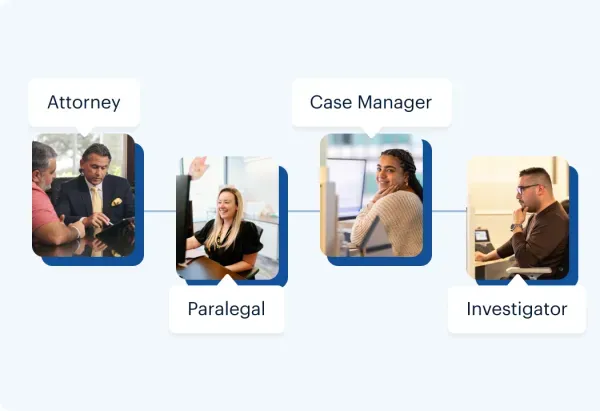
Meet your dedicated attorney
Meet the attorneys
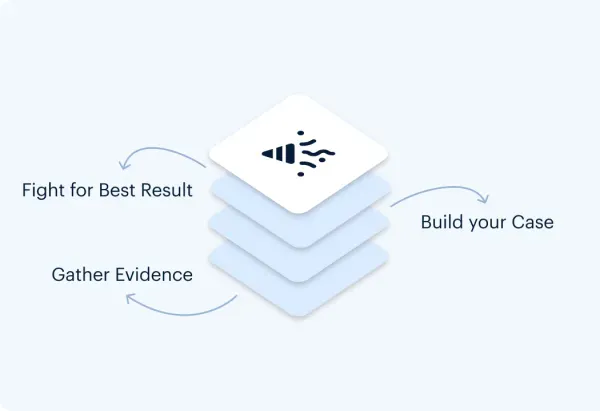
We fight for more
Learn more about the case process
Results may vary depending on your particular facts and legal circumstances. The attorneys shown in these photos may not be licensed in your state. To find an attorney licensed in your area, please visit our attorney page.
Local Care
Backed by America’s Largest Injury Law Firm.
- $30 BillionRecovered for clients
nationwide - 700,000+Clients and families
served - 1,000+Attorneys across
the country - 1Click may change your life
We know your pain.
John Morgan’s brother Tim was injured as a teen. Their experience with a lawyer was a nightmare. John spent 35 years building a firm to do better for families like his. And yours.

The attorney featured above is licensed in Florida. For a full list of attorneys in your state please visit our attorney page.
Results may vary depending on your particular facts and legal circumstances.
Learn More
Injured and not sure what to do next?
We'll guide you through everything you need to know.