Results may vary depending on your particular facts and legal circumstances. The attorney featured above is licensed in Florida. For a full list of attorneys in your state please visit our attorney page.
WORKPLACE DISCRIMINATION LAWYER IN CHANDLER
Workplace issues such as discrimination, harassment, retaliation, and wrongful termination can impact your career and overall stability. If you’re facing challenges at work in Chandler, Morgan & Morgan may be able to help you understand your rights and consider your options.
Results may vary depending on your particular facts and legal circumstances. The attorney featured above is licensed in Florida. For a full list of attorneys in your state please visit our attorney page.








Protecting Workers’ Rights in Chandler, Arizona
A fair workplace is not just something to expect; it’s a legal right. Employees in Chandler deserve to be treated with respect and provided equal opportunities without fear of discrimination, harassment, retaliation, or wrongful termination. When those rights are violated, the effects can extend beyond the workplace and impact your financial stability and overall well-being.
Morgan & Morgan represents workers in Chandler and across Arizona in a wide range of workplace discrimination matters, including discrimination, harassment, retaliation, and wrongful termination claims. Every case is unique, and determining whether an employer has acted unlawfully often requires a careful review of the facts.
Both federal and state laws are in place to protect employees, but navigating them can be complex. Working with experienced legal counsel can help you better understand your rights and what options may be available based on your circumstances.
If you’re facing a workplace issue in Chandler, Morgan & Morgan offers free case evaluations to help you explore your options and move forward with confidence.
- 700,000+ clients Chose Morgan & Morgan Nationwide.
- $0 upfront Only pay if we win.
- Available 24/7 Get help anytime.
Workplace Discrimination Cases in Chandler Need Three Things
You Were Protected by the Law
You Experienced Unlawful Treatment at Work
The Evidence Connects the Treatment to Discrimination
Talk to Our Team at No Cost
150,000+ Five Star Reviews
The reasons why clients trust Morgan & Morgan.






Results may vary depending on your particular facts and legal circumstances. Based on select nationwide reviews.
What should I do if I experience workplace discrimination in Chandler, Arizona?
Workplace discrimination can be a distressing experience that affects both your professional and personal life. If you believe you are being treated unfairly at work, it’s important to take steps to document what’s happening and report it appropriately. Here’s how you can begin addressing the situation in Chandler, Arizona:
Document the Discrimination
Start by keeping detailed records of each incident, including dates, times, locations, and the individuals involved. Save any emails, text messages, performance reviews, or other written communications that may support your claim. If others witnessed the behavior, make note of who they are and keep their contact information.
Report the Discrimination to HR
Review your employer’s policies for reporting workplace discrimination and follow the appropriate procedures. Submit a formal complaint to Human Resources (HR) in writing, and request a written response outlining how your complaint will be handled.
Follow Up on Your Complaint
If your concerns are not adequately addressed, consider escalating the issue within the organization. Be sure to keep copies of all communications related to your complaint and maintain a record of your interactions.
Understand Your Rights
Take time to familiarize yourself with federal and Arizona laws that protect employees from discrimination, as well as your employer’s internal policies, so you can better understand the protections available to you.
Contact Morgan & Morgan in Chandler, Arizona
If your complaint is ignored or leads to retaliation, it may be time to speak with a workplace discrimination attorney at Morgan & Morgan. An attorney can review your situation, explain your legal options, and help determine whether filing a claim with the EEOC is the appropriate next step.
What is the role of the EEOC in workplace discrimination claims in Chandler, Arizona?
The Equal Employment Opportunity Commission (EEOC) is the federal agency responsible for enforcing workplace discrimination laws, regardless of the state in which they occur. Here’s how the EEOC is involved in discrimination cases:
Filing a Complaint
Employees must first file a charge with the EEOC before pursuing a lawsuit. The charge can be filed online, by mail, or at a local EEOC office. There are strict deadlines, typically 180 days from the date of discrimination, though this may be extended in some cases.
EEOC Investigation Process
The EEOC reviews the claim and may request additional information. Employers are notified and given an opportunity to respond. The EEOC may conduct interviews, request documents, and assess whether the claim has merit.
Resolution Options
The EEOC may attempt to resolve the dispute through mediation without going to court. If it finds evidence of discrimination, it may negotiate a settlement or file a lawsuit on the employee’s behalf. If the claim is dismissed, the employee will receive a “right to sue” letter, allowing them to proceed with a private lawsuit.
What is considered illegal discrimination in a Chandler workplace?
Illegal discrimination in the workplace occurs when an employer treats an employee or job applicant unfairly based on certain protected characteristics. Under federal law, including Title VII of the Civil Rights Act of 1964, the Americans with Disabilities Act (ADA), the Age Discrimination in Employment Act (ADEA), and other laws, discrimination is unlawful when it is based on:
- Race, color, or national origin: Employers cannot make hiring, firing, promotion, or other employment decisions based on a person's race, skin color, or ethnic background.
- Sex or gender: Discrimination based on gender, sexual orientation, gender identity, or pregnancy is illegal under Title VII and the Pregnancy Discrimination Act.
- Age: The ADEA protects employees 40 and older from age-based discrimination in hiring, promotions, or job assignments.
- Disability: Employers cannot discriminate against individuals with disabilities and must provide reasonable accommodations under the ADA.
- Religion: Employers must accommodate religious practices unless doing so creates an undue hardship.
- Genetic information: Under the Genetic Information Nondiscrimination Act (GINA), employers cannot use genetic information to make employment decisions.
- Marital status or parental status: Some state laws protect individuals from discrimination based on whether they are married or have children.
- Retaliation: Employers are prohibited from retaliating against employees for reporting discrimination or taking part in an investigation.
Examples of Workplace Discrimination May Include:
- Race discrimination: A qualified Black employee is passed over for promotions in favor of less-qualified white employees.
- Gender discrimination: A female employee receives lower pay than her male coworkers for doing the same work.
- Age discrimination: A company repeatedly lays off older employees and replaces them with younger, lower-paid workers.
- Disability discrimination: An employer fails to provide reasonable accommodations for an employee with a disability.
- Religious discrimination: An employee is denied time off to observe religious holidays while others receive accommodations for non-religious reasons.
What types of evidence do I need to prove that I was discriminated against at work in Chandler, Arizona?
To prove workplace discrimination in Chandler, you need evidence showing that your employer treated you unfairly because of a legally protected characteristic, such as race, gender, disability, or age. Several types of evidence can help support your claim:
Direct Evidence
This type of evidence includes clear statements or actions that reveal bias. Examples can include emails, text messages, or verbal remarks that directly show discriminatory intent, as well as written policies or internal documents indicating unfair practices.
Circumstantial (Indirect) Evidence
In many cases, discrimination is proven through patterns or circumstances. This can include being treated differently from others in similar roles, a history of discriminatory practices within the company, or suspicious timing, such as being demoted or terminated shortly after reporting discrimination.
Employment Records
Records such as performance evaluations, disciplinary files, and payroll data can be important. For instance, a sudden decline in reviews after filing a complaint or proof of unequal pay for comparable work may help support your case.
Witness Testimony
Statements from coworkers or others who observed discriminatory behavior can help confirm your experience. Prior complaints filed by other employees may also be relevant.
Company Policies and Practices
Your employer’s handbook, internal policies, or hiring and promotion data may show inconsistencies or patterns that suggest discrimination.
Retaliation Evidence
If your treatment worsened after you reported discrimination, such as being reassigned, disciplined, or terminated, documenting those changes can help demonstrate retaliation.
Can I sue my employer if I am still employed there?
Yes, in Chandler, Arizona, you can file a lawsuit while still employed. It’s important to document any potential retaliation carefully, and working with an experienced lawyer can help you understand your rights and determine the best way to move forward.
What if my employer retaliates against me after I file a complaint in Chandler, Arizona?
If your employer retaliates against you after you file a discrimination complaint, you are protected under federal and state law. Taking the right steps early can help you protect your rights and build a stronger case.
Document What’s Happening
Keep detailed notes of any retaliatory actions, including dates, times, locations, and what occurred. Save emails, text messages, or written notices that reflect changes in your treatment. If you were demoted, reassigned unfairly, or suddenly given poor performance reviews, be sure to document those changes.
Review Company Policies
Look over your employer’s anti-retaliation policies in the employee handbook. Follow any internal procedures for reporting retaliation if they are available.
Report the Retaliation Internally
Inform Human Resources or a supervisor about the situation. If it isn’t resolved, you may need to raise your concerns further within the organization.
File a Complaint if Necessary
You may be able to file a retaliation complaint with the Equal Employment Opportunity Commission (EEOC) or a state agency. In many cases, filing with the EEOC is required before taking legal action under federal law.
Consider Speaking With a Lawyer
An employment lawyer can evaluate your situation, explain your rights, and help you determine the next steps. If the retaliation resulted in financial or emotional harm, you may have grounds to file a claim.
Protect Yourself at Work
Continue performing your job professionally and avoid confrontations that could be used against you.
What should I do if I was unfairly fired?
If you were unfairly fired, also known as wrongful termination, you may have legal options to challenge your employer’s decision. Follow these steps to protect yourself and potentially seek compensation:
Determine If Your Firing Was Illegal
Most jobs are at-will, meaning employers can fire you for almost any reason, but not for illegal reasons, such as:
- Discrimination: Terminated based on race, gender, age, disability, religion, or another protected characteristic.
- Retaliation: Fired after filing a discrimination complaint, reporting harassment, or engaging in whistleblowing.
- Breach of contract: Occurs when a written or implied agreement guaranteeing job security is violated.
- Violation of public policy: Terminated for refusing to engage in illegal activity or for taking legally protected leave, such as FMLA leave.
Gather Evidence
- Termination letter: If provided, keep a copy.
- Performance reviews: If they were positive, they can help show that your firing was unfair.
- Emails & memos: Any communications that hint at wrongful motives for your firing.
- Witness statements: Coworkers who can confirm unfair treatment.
- Company policies: Check the employee handbook for termination procedures that your employer may have violated.
File a Complaint with the EEOC (If Discrimination or Retaliation is Involved)
File a complaint with the EEOC if discrimination or retaliation is involved. The agency investigates wrongful termination claims based on these issues, and federal law generally requires filing with the EEOC before you can pursue a lawsuit.
Consult an Employment Lawyer
Consult an employment lawyer to determine whether you have a valid wrongful termination claim and to guide you through the next steps. If your case is successful, you may be eligible to recover compensation such as lost wages, reinstatement, damages for emotional distress, and, in some cases, punitive damages.
Consider Negotiating a Severance Agreement
If your termination wasn’t unlawful but still seemed unfair, you may be able to negotiate severance pay or additional benefits.
Apply for Unemployment Benefits
Even if you were terminated, you may still be eligible for unemployment benefits unless your employer can show that you were dismissed for serious misconduct.
If you believe your termination was wrongful, Morgan & Morgan may be able to assist you.
What are my rights under the Family and Medical Leave Act (FMLA)?
The Family and Medical Leave Act (FMLA) provides eligible employees with up to 12 weeks of unpaid leave for serious health conditions, childbirth, adoption, or caring for a family member. Here’s what you should know:
Eligibility for FMLA
To qualify, employees must have worked for a covered employer for at least 12 months and completed at least 1,250 hours of service.
Job Protection
The FMLA ensures job protection, meaning that when you return, you should be restored to your original position or one that is comparable.
Common Violations
Some common violations of FMLA include:
- Denying an employee’s request for FMLA leave
- Firing an employee for taking FMLA leave
- Failure to maintain health benefits while an employee is on leave
If you believe your FMLA rights have been violated, contact an employment lawyer at Morgan & Morgan for assistance.
Could I be misclassified as an independent contractor instead of an employee?
Misclassification happens when an employer incorrectly labels a worker as an independent contractor instead of an employee. This distinction is important because it impacts key rights, including eligibility for overtime pay, unemployment benefits, and workers’ compensation.
Generally, independent contractors have greater control over how and when they perform their work and typically do not receive employee benefits or job protections. Employees, by contrast, are usually entitled to benefits such as health insurance, paid time off, and protections like overtime pay.
If you’ve been misclassified, you may be entitled to recover benefits and compensation you were denied, including unpaid overtime or other lost wages.
What is sex discrimination in the workplace in Chandler, Arizona?
Sex discrimination occurs when an employee or job applicant is treated unfairly based on their sex, gender, sexual orientation, gender identity, or pregnancy. It can affect many areas of employment, including hiring, pay, promotions, job assignments, and workplace conditions.
Sex discrimination can take different forms, including:
- Direct discrimination: Treating someone less favorably because of their gender, such as passing over a qualified employee for a promotion in favor of someone of a different gender.
- Harassment: Unwelcome comments, advances, or behavior of a sexual nature that create a hostile or offensive work environment.
- Indirect discrimination: Workplace policies that appear neutral but disproportionately affect one gender, such as scheduling practices that make it harder for certain employees to meet job expectations.
There are also common warning signs that may indicate sex discrimination, including:
- Patterns of hiring or promotion decisions that favor one gender
- Unequal pay for similar work
- Limited opportunities for advancement
- Repeated gender-based comments or behavior in the workplace
In some cases, discrimination may involve multiple factors, such as race and gender combined, which can make the situation more complex.
Sex discrimination is prohibited under federal laws such as Title VII of the Civil Rights Act of 1964, the Equal Pay Act, and the Pregnancy Discrimination Act. Many states also provide additional protections. Employees who experience sex discrimination may have legal options to pursue compensation and hold employers accountable.
What laws protect employees from disability and health discrimination in Chandler, Arizona?
Several federal laws safeguard employees against disability and health discrimination in the workplace.
Americans with Disabilities Act (ADA)
The ADA prohibits discrimination against individuals with disabilities in all areas of public life, including employment, education, and transportation. In the workplace, Title I requires employers with 15 or more employees to provide equal opportunities to qualified individuals with disabilities and to offer reasonable accommodations that enable them to perform their job duties, unless doing so would create an undue hardship.
Family and Medical Leave Act (FMLA)
While not exclusively focused on disabilities, the FMLA allows eligible employees to take unpaid, job-protected leave for serious health conditions that make them unable to perform their job or to care for a family member with a serious health condition. This law ensures that employees won’t lose their jobs or their current positions if they need to take time off for health-related reasons. Legally, the employee must be returned to their same position and title as before the FMLA leave.
Pregnancy Discrimination Act (PDA)
This law, part of Title VII of the Civil Rights Act, protects employees from discrimination based on pregnancy, childbirth, or related medical conditions. Employers must treat pregnancy and related conditions the same as any other temporary disability when it comes to job duties, benefits, and leave policies.
State Laws
Many states have laws that provide broader protections than federal statutes. For example, California’s Fair Employment and Housing Act (FEHA) offers strong safeguards for workers with disabilities and holds employers to higher standards when it comes to providing accommodations.
How do I know if my health condition qualifies as a disability under the ADA?
Under the Americans with Disabilities Act (ADA), a disability is defined as a physical or mental impairment that substantially limits one or more major life activities, such as walking, breathing, hearing, seeing, or working. Chronic illnesses, mental health conditions, mobility impairments, and temporary conditions that have long-term effects may qualify. A healthcare provider can assess whether your condition qualifies, and an attorney at Morgan & Morgan can help you understand your rights under the ADA.
Can I request workplace accommodations if my condition is temporary, like recovering from surgery in Chandler, Arizona?
Yes, you can request reasonable accommodations for temporary conditions under the ADA if they substantially limit one or more major life activities during the recovery period. Accommodations may include modified work schedules, remote work, or temporary reassignment of duties while you recover.
What should I do if my employer denies my request for reasonable accommodations in Chandler, Arizona?
If your employer denies your request for reasonable accommodations, it’s important to understand why and take steps to protect your rights. You can start by asking for a clear explanation of the denial and discussing whether alternative accommodations may be possible. Be sure to document all communications with your employer, including their reasoning and any follow-up discussions.
If you believe the denial may violate your rights under the ADA, contacting Morgan & Morgan can help you understand your options. If the denial is determined to be unlawful and your case proceeds, an attorney may file a complaint on your behalf with the EEOC or the appropriate state labor agency.
What kind of damages can I recover in a workplace discrimination lawsuit in Chandler, Arizona?
If you succeed in a workplace discrimination lawsuit, you may be entitled to different types of compensation depending on how severe the discrimination was, how it affected you, and the laws that apply. These damages are generally grouped into several categories:
Economic Damages (Financial Losses)
These damages are meant to cover the financial impact of discrimination, including:
- Back pay: Wages lost from the time of the discriminatory action, such as if you were wrongfully terminated or demoted
- Front pay: Compensation for future lost earnings if you are unable to return to your job
- Lost benefits: The value of lost healthcare coverage, retirement contributions, stock options, or bonuses
- Job search costs: Expenses related to finding new employment, such as application fees or relocation costs
Emotional Distress, Pain, and Suffering
You may be compensated for the emotional effects of discrimination, including anxiety, stress, or depression, as well as the cost of therapy or other related treatment.
Punitive Damages
In some cases, courts may award punitive damages to punish especially harmful or intentional conduct and discourage similar behavior. These damages are not available in every case and may be subject to legal limits.
Attorney’s Fees and Legal Costs
If you win your case, the court may require your employer to cover your attorney’s fees and other litigation costs.
Reinstatement or Promotion
If you were wrongfully terminated or denied a promotion due to discrimination, the court may order your employer to reinstate you or provide the promotion.
Injunctive Relief (Policy Changes)
Courts may also require employers to change workplace policies or practices to help prevent future discrimination.
Federal and State Law Considerations
Federal law, enforced by the Equal Employment Opportunity Commission (EEOC), may place limits on certain damages based on employer size. State laws, however, may allow for higher recovery depending on where your lawsuit is filed.
Can an attorney in Chandler, Arizona, help with discrimination in the workplace?
Workplace discrimination can significantly impact an employee’s morale, productivity, and overall well-being. You should be evaluated based on your performance, not factors like your background, age, or appearance. Discrimination is unlawful in the United States, and if you have been affected, you may have the right to take legal action and pursue compensation for losses such as emotional distress, back pay, and other damages.
Because discrimination laws can be complex and may involve local, state, and federal regulations, working with an experienced attorney can be important. A discrimination attorney at Morgan & Morgan can evaluate your situation, explain your options, and help you seek accountability and compensation. Contact us for a free case evaluation to learn more about how we may be able to assist you.
Do I have to pay for a consultation with a lawyer in Chandler, Arizona?
No. Consultations at Morgan & Morgan in Chandler, Arizona, are completely free. We believe everyone deserves access to legal advice, regardless of their financial situation.
Hiring one of our workplace discrimination lawyers is easy, and you can get started in minutes with a free case evaluation on our site or by phone.
Who will be on my Chandler case team?
When you work with Morgan & Morgan in Chandler, Arizona, you’re supported by more than just one attorney; you have access to the resources of America’s Largest Injury Law Firm™, with over 1,100 lawyers and offices nationwide.
Your case will be handled by a dedicated team that may include attorneys, paralegals, and support staff working together behind the scenes. You’ll also have a primary attorney who oversees your case, keeps you updated, and provides personalized guidance at every stage of the process.
When do I meet with my lawyer in Chandler, Arizona?
After your initial consultation, your care team will schedule regular meetings to review your case, provide updates, and help you prepare for any upcoming steps. We prioritize clear communication and keeping you informed throughout the process. Meetings can take place in person, virtually, or by phone, depending on your needs and the details of your case.
How much does it cost to hire Morgan & Morgan in Chandler?
Morgan & Morgan’s Chandler workplace discrimination lawyers work on a contingency fee basis, meaning that there are no upfront fees or expenses until your case comes to a successful conclusion. That’s right—the Fee Is Free™, and you only pay if we win.
Our fee is typically a percentage of the settlement or verdict amount, ensuring we are motivated to achieve the best possible outcome for you.
Why should I hire Morgan & Morgan in Chandler, Arizona, for my workplace discrimination case?
At Morgan & Morgan, our team of experienced workplace discrimination attorneys has successfully represented countless clients in similar situations. As America’s Largest Injury Law Firm™ with over 1,100 lawyers nationwide, we have the resources, knowledge, and dedication to fight for your rights.
We work on a contingency fee basis, meaning you won’t have to pay unless we win your case. Morgan & Morgan believes justice should be accessible to all, so our motto is the Fee Is Free™—you only pay if we win.
We take pride in holding those who discriminate accountable for the harm they’ve caused. You shouldn’t have to endure the consequences of unfair treatment alone. Contact Morgan & Morgan today for a free case evaluation to explore your legal options.
Our Results
How It Works
Unsure what to do next? With 35 years of experience, our personal
injury lawyers will guide you every step of the way.
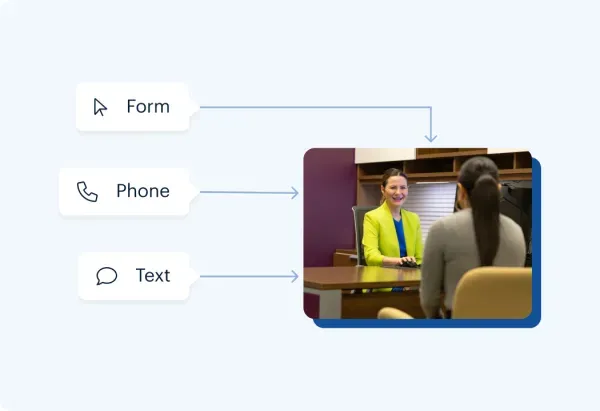
Contact Us 24/7 - It’s Free
Start your claim
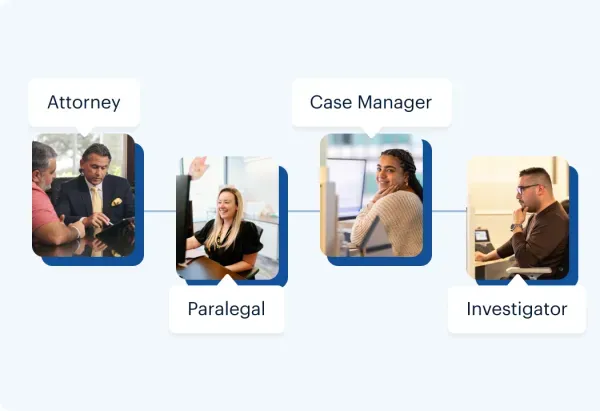
Meet your dedicated attorney
Meet the attorneys

We fight for more
Learn more about the case process
Results may vary depending on your particular facts and legal circumstances. The attorneys shown in these photos may not be licensed in your state. To find an attorney licensed in your area, please visit our attorney page.
Local Care
Backed by America’s Largest Injury Law Firm.
- $35 BillionRecovered for clients
nationwide - 700,000+Clients and families
served - 1,100+Attorneys across
the country - 1Click may change your life
We know your pain.
John Morgan’s brother Tim was injured as a teen. Their experience with a lawyer was a nightmare. John spent 35 years building a firm to do better for families like his. And yours.

The attorney featured above is licensed in Florida. For a full list of attorneys in your state please visit our attorney page.
Results may vary depending on your particular facts and legal circumstances.
Learn More
Injured and not sure what to do next?
We'll guide you through everything you need to know.
