Cases will be handled by attorneys licensed in the local jurisdiction. Cases may be associated with, or referred to, other law firms as co-counsel or referral counsel. Results may vary depending on your particular facts and legal circumstances. The attorney featured above is licensed in Florida. For a full list of attorneys in your state please visit our attorney page.
CAR INSURANCE CLAIM LAWYER IN CHICAGO
Damages your policy should cover shouldn't come out of your pocket after a Chicago car insurance dispute. The insurance attorneys at Morgan & Morgan represent policyholders dealing with denied or underpaid claims and pursue the full compensation owed.
Cases will be handled by attorneys licensed in the local jurisdiction. Cases may be associated with, or referred to, other law firms as co-counsel or referral counsel. Results may vary depending on your particular facts and legal circumstances. The attorney featured above is licensed in Florida. For a full list of attorneys in your state please visit our attorney page.











Injured in Illinois? Know your rights.
If you or your loved one has had their claim dismissed by a car insurance company, Morgan and Morgan car insurance attorneys might be able to help. Our law firm boasts powerful legal resources to fight for your rights. We have dealt with countless insurance companies and know the tactics they use to avoid paying what they owe.
Let's discuss some of these tactics below.
Common Tactics Car Insurance Companies Use to Deny or Devalue Claims
When you get injured in a car accident caused by another party's negligence, their insurer might use any of the following tactics to deny or undervalue your claim:
Constantly Calling You After an Injury
If the insurance company keeps calling you after the injury, do not think they care so much about you. On the contrary, chances are they are trying to catch you off guard. This is because when you get injured in a car accident, chances are you will not be in a position to make the right decisions.
Insurance companies know this and will likely call you multiple times to convince you to sign a quick settlement. This tactic is also meant to deny you the opportunity to evaluate your injuries.
Certain injuries, such as internal body injuries, usually take time to show. That explains why these companies will try to contact you, hoping you sign a settlement agreement before the full extent of your injuries begins to show.
Offering a Quick Settlement
When the insurer calls you to offer a quick settlement, you will likely think they care so much about you. But that is not always true. The reason for doing this is to ensure you settle for less than the actual value of your claim. When they offer the settlement, they will also have you sign a release of settlement agreement.
A release of settlement agreement, also known as a “release” is a document that absolves the insurance company of the responsibility of compensating the injury victim beyond the settlement that has already been agreed upon.
Say your claim was worth $100,000, and you agree to a quick settlement offer of $10,000. The insurer will have you sign a release of settlement, meaning you cannot turn back and file a new lawsuit against them for the same accident, even if you discover that the settlement was way below what you were entitled to.
This can be heartbreaking, especially if you have medical bills and other expenses to take care of after the accident. There is a possibility that you might sink into debt when you accept a lowball offer from an insurance company after an accident.
For example, if you did not work while recovering from the injury, you will likely not have enough money to pay your bills. Your landlord will not stop asking for rent just because you got injured. The same applies to your credit cards and other important bills.
The only way you may be able to file a new lawsuit against the insurer is if you can prove that the settlement you accepted derived from fraud on the insurer's side. Unfortunately, this is not usually the easiest thing to prove. In fact, some attorneys do not take such cases if the injury victim has already accepted the settlement and signed the release of settlement agreement.
Requesting a Recorded Statement
If the insurer asks you to record a statement, they may be trying to find a reason to blame you for the accident. Naturally, you may think that the insurer wants to ensure that you receive full compensation for your injuries. Or, you will probably think that requesting a recorded statement is part of the compensation process.
Remember, claims adjusters mostly work directly with insurance companies. Even if they sound friendly on the phone, they will always put the insurer's interests first. This could mean tricking you into revealing information you should not reveal, especially without the help of an attorney.
For example, the claims adjusters might ask you how you feel after the accident. This sounds like an innocent question from someone who cares about you. In fact, chances are you will feel loved and appreciated, especially after an accident.
But did you know that this could also be a trick question designed to make you reveal things you should not? For instance, if you say that you are feeling fine and then later develop complications due to the accident, the insurance report will show that you actually said you felt okay after the accident.
Even though insurance companies know that certain injuries take time to show their symptoms, they will still use our statements against you. And if they cannot succeed at dismissing the entire claim, they will at least find a way to devalue it.
Using Delay Tactics
Delay tactics can lead you to accept settlement offers that do not match the actual value of your injuries. Here is how it works:
When you have a claim with the insurer, they might not process it immediately. Rather, they will delay the process, citing different reasons. While doing so, they will hope that you reach the point of desperation where you would be willing to accept just any settlement offer. And as mentioned before, they will convince you to sign the settlement agreement, absolving them from further liability.
Disputing Treatment
This is usually the coldest tactic insurance providers use to avoid paying what they owe an injury victim. Let's say you are injured in a car accident and require multiple surgeries. After the surgery, the doctor might recommend additional treatment such as physical therapy.
For this reason, the at-fault party's insurance will not want you to receive further treatment. This is because additional treatment requires more money, one thing they would love to avoid.
To evade spending more money on treatment, some insurance companies even hire a team of doctors to study the injuries and establish why the victim does not deserve the prescribed treatment. This is heartless, but the truth is that insurance companies do not care.
They will do anything to protect their interests. In this case, their primary interest is to reduce their spending.
- 700,000+ clients Chose Morgan & Morgan Nationwide.
- $0 upfront Only pay if we win.
- Available 24/7 Get help anytime.
150,000+ Five Star Reviews
The reasons why clients trust Morgan & Morgan.





Results may vary depending on your particular facts and legal circumstances. Based on select nationwide reviews.
What is a car insurance claim dispute in Chicago, Illinois?
A car insurance claim dispute occurs when an insurance company denies a claim, disputes coverage, or offers a settlement that may not adequately compensate someone for their losses. While some denials are justified under the terms of an insurance policy, others may result from errors, misinterpretations, or improper claims handling.
Disputes can arise with your own insurance provider or another driver's insurer following an accident. Common reasons for disagreements include:
- Policy exclusions: The insurance company claims that certain policy provisions exclude coverage for your accident or losses.
- Coverage limitations: The insurer argues that specific injuries, property damage, or other expenses fall outside the policy's coverage.
- Lapsed coverage: The company contends that missed payments or a lapse in the policy left you without coverage when the accident occurred.
- Claim errors or omissions: The insurer identifies missing information, inaccuracies, or other problems with the submitted claim.
- Disputed liability: The insurance company questions who was responsible for the accident or whether its insured driver was at fault.
Insurance companies must follow applicable laws and regulations when processing claims. If an insurer denies, delays, or offers insufficient compensation for a claim, an experienced attorney can review the decision and assess whether it complies with the insurance policy and relevant legal requirements.
At Morgan & Morgan in Chicago, Illinois, our attorneys have decades of experience challenging insurance companies and helping injured individuals pursue fair compensation.
Why might an insurance company deny or undervalue a car accident claim?
Insurance companies may deny or undervalue car accident claims for several reasons. Some decisions may be justified under the insurance policy, while others may involve disagreements about coverage, fault, or the extent of the damages. Common reasons may include:
- Disputed fault: The insurance company claims that its policyholder was not at fault for the accident or that another party shares responsibility for the collision.
- Insufficient documentation: The insurance company claims there is not enough evidence to establish liability, verify injuries, or support the requested compensation.
- Medical treatment disputes: The insurer questions whether certain treatments were necessary, reasonable, or related to the accident.
- Policy exclusions: Specific circumstances surrounding the accident may fall outside the coverage provided by the policy.
- Coverage lapses: Missed payments or other issues may have affected whether the insurance policy was active when the accident occurred.
- Disagreements over damages: The insurer may dispute the cost of vehicle repairs, the severity of injuries, lost income, or anticipated future expenses.
A claim denial or inadequate settlement offer does not automatically indicate wrongdoing by the insurance company. However, if you believe the decision was unfair or incorrect, you may have legal options to dispute it. A Morgan & Morgan attorney in Chicago, Illinois, can review the circumstances of your dispute, examine the available evidence, and help determine whether further action may be appropriate.
What are signs that an insurance company may be handling my claim unfairly?
Insurance companies are expected to handle claims in accordance with applicable insurance laws and policy requirements. While disagreements and delays do not automatically constitute unlawful conduct, certain practices may raise concerns about how a claim is being handled.
Potential warning signs may include:
- Unreasonable delays in investigating or processing a claim
- Repeated requests for unnecessary or duplicate documentation
- Failure to respond to reasonable communications
- Denying a claim without conducting an adequate investigation
- Misrepresenting important policy terms or coverage provisions
- Offering a settlement that does not reasonably reflect documented losses
- Failing to provide a reasonable explanation for a denial or settlement offer
- Pressuring a claimant to accept a settlement before their damages have been properly evaluated
Depending on the circumstances and applicable state laws, some of these actions may constitute unfair insurance practices or bad faith. If you believe your insurance company is treating you unfairly, consider documenting all communications and keeping copies of correspondence, claim decisions, and supporting evidence.
An experienced car insurance claim dispute attorney in Chicago, Illinois, can evaluate the insurer's conduct and explain whether you may have grounds to challenge its decision or pursue legal action.
What should I do if my car insurance claim is denied or underpaid in Chicago, Illinois?
Receiving a claim denial or an unexpectedly low settlement offer can be frustrating, especially when you're dealing with injuries, vehicle damage, or mounting expenses. However, an unfavorable decision does not necessarily mean you have exhausted your options. There are several steps you can take to challenge an insurance company's decision.
Review the Insurance Company's Explanation
Begin by thoroughly examining the denial letter or settlement offer to understand why the insurance company rejected coverage or determined a specific compensation amount. If the explanation is unclear, consider requesting written clarification from the insurer.
Examine Your Insurance Policy
Carefully examine your insurance policy's terms, coverage limits, exclusions, and applicable requirements. Knowing what your policy includes can help you assess whether the insurance company's interpretation of your coverage is justified.
Gather Supporting Documentation
Collect any evidence that may strengthen your position, including medical records, repair estimates, accident reports, photographs, witness statements, and previous communications with the insurance company.
Challenge the Decision
Depending on the details of your case, you may have options to dispute the insurer's decision, including requesting another review, providing additional evidence, filing a complaint, or pursuing legal action.
An experienced attorney at Morgan & Morgan can review the denial, help you understand your available options, and handle negotiations with the insurance company on your behalf.
Since insurance disputes may be subject to specific reporting requirements and filing deadlines, it's important to act promptly to protect your rights.
What types of evidence can help me dispute an insurance company's decision?
Strong evidence can play an important role in challenging an insurance company's denial or settlement offer. The documentation needed will depend on the reasons for the dispute and the circumstances surrounding the accident. Useful evidence may include:
- Accident reports: Police reports and other official records can provide information about how the accident occurred and the parties involved.
- Photographs and videos: Images of the accident scene, vehicle damage, road conditions, and visible injuries may help establish the circumstances of the collision.
- Witness statements: Accounts from individuals who observed the accident can provide additional evidence about what happened.
- Medical records: Treatment records, medical bills, and professional opinions can help demonstrate the nature and extent of your injuries.
- Repair estimates and invoices: Documentation of vehicle repairs or replacement costs may help establish the value of property damage.
- Insurance policy documents: Your insurance policy, declarations, endorsements, and other relevant coverage details can help establish the insurer's responsibilities and obligations.
- Insurance correspondence: Denial letters, settlement offers, emails, and other communications can help document how the claim was handled.
In some cases, additional evidence or expert testimony may be necessary to address disputed liability, medical treatment, or damages.
A Morgan & Morgan attorney can help identify, collect, and present relevant evidence to support your position when challenging an insurance company's decision.
Can I challenge an insurance company's determination of fault?
Yes. If an insurance company determines that you were responsible for an accident and you disagree with its assessment, you may have options to challenge that decision.
Insurance companies evaluate fault using available evidence, including accident reports, witness statements, photographs, vehicle damage, and other relevant information. However, an insurer's initial assessment does not necessarily establish who is legally responsible for the collision.
Additional supporting evidence may help establish that another driver was fully or partially responsible for the accident.
The laws governing shared fault also vary by state. Some states follow comparative negligence rules, which may reduce compensation based on a person's percentage of responsibility. Others apply different standards that may limit or prevent recovery in certain circumstances.
An experienced car accident attorney can review the evidence, challenge unsupported fault determinations, and help explain how the applicable laws may affect your claim.
At Morgan & Morgan in Chicago, Illinois, our attorneys can investigate the circumstances of your accident and advocate for a fair assessment of responsibility.
What types of compensation may be available in a car insurance claim dispute in Chicago, Illinois?
The compensation available in a car insurance claim dispute depends on the circumstances of the accident, the applicable insurance coverage, and the laws governing your claim. Depending on the policy and type of legal action involved, recoverable losses may include:
Medical Expenses
Compensation may cover eligible medical costs associated with accident-related injuries, including hospital visits, surgical procedures, medications, physical therapy, and necessary future treatment.
Lost Wages
If your injuries prevent you from working, you may be eligible to recover lost income. Depending on the circumstances, compensation may also account for diminished earning capacity or future income losses.
Property Damage
You may be eligible to recover compensation for damage to your vehicle or other personal belongings, including the cost of repairs, replacement, and certain associated expenses.
Pain and Suffering
In qualifying claims, compensation may address the physical pain, emotional distress, and reduced quality of life resulting from accident-related injuries.
Other Related Losses
Depending on the circumstances, additional damages may be available for permanent disability, disfigurement, or other accident-related consequences.
It's important to understand that insurance policy benefits and damages recoverable through a lawsuit are not always the same. Certain losses may be excluded from coverage, subject to policy limits, or unavailable under applicable laws.
A Morgan & Morgan attorney can review your coverage, assess your damages, and help determine which forms of compensation you may be entitled to pursue.
How long do I have to dispute a denied car insurance claim in Chicago, Illinois?
The time available to challenge a denied car insurance claim depends on several factors, including the type of dispute, the insurance policy's requirements, and the laws that apply to your case.
Insurance policies may contain specific procedures or deadlines for reporting accidents, providing documentation, or challenging certain decisions. Separate legal deadlines may also apply if you need to file a lawsuit against an insurer or another responsible party.
In some circumstances, exceptions or additional legal requirements may affect the deadlines governing your claim. Missing an applicable deadline could limit your options or prevent you from pursuing compensation.
For this reason, it's important to review the insurance company's decision and seek legal guidance as soon as possible rather than assuming you have plenty of time to act.
An experienced Morgan & Morgan attorney can examine your circumstances, explain the deadlines that may apply, and help you understand the steps available to challenge an unfavorable insurance decision.
How long does it take to resolve a car insurance claim dispute?
The time required to resolve a car insurance claim dispute varies depending on the circumstances and complexity of the case. Some disputes can be addressed through additional documentation or negotiations, while others may require more extensive investigations or legal proceedings. Several factors can influence the timeline, including:
- The reason the insurance company denied or undervalued the claim
- The complexity of the insurance policy and coverage questions
- The amount and type of damages being disputed
- The availability of supporting evidence
- Whether additional investigations or expert opinions are needed
- The insurance company's willingness to negotiate a fair resolution
- Whether litigation becomes necessary
Many insurance disputes can be resolved through negotiations without proceeding to trial. However, when the parties cannot reach an agreement, additional legal action may be necessary.
During a free case evaluation, Morgan & Morgan can review your situation and help you understand what the dispute resolution process may involve. The actual timeline will depend on the unique circumstances of your claim.
When should I contact a car insurance claim dispute lawyer in Chicago, Illinois?
If you're experiencing problems with an insurance claim, consulting an attorney early can help you understand your rights and avoid potential complications. You may want to seek legal guidance if:
- Your car insurance claim was denied without a clear explanation
- The insurer offered a settlement that appears insufficient
- Your claim has been delayed without a reasonable explanation
- The insurance company disputes who caused the accident
- Your medical expenses or other damages are being challenged
- You're having difficulty understanding your policy's coverage
- You're concerned about an approaching claim or lawsuit deadline
An attorney can review your insurance policy, examine the circumstances of the dispute, and explain what options may be available. Even if you've already submitted a claim, received a denial, or attempted to negotiate with the insurance company, you may still benefit from legal representation.
At Morgan & Morgan, our car insurance claim dispute attorneys can evaluate your situation, help preserve important evidence, and advocate for your interests throughout the legal process.
Will I need to file a lawsuit or go to court to resolve my insurance dispute in Chicago, Illinois?
Not necessarily. Many car insurance claim disputes are resolved through communication, additional documentation, or settlement negotiations without requiring a trial.
In some cases, an attorney may be able to resolve disagreements by presenting new evidence, clarifying coverage provisions, or negotiating directly with the insurance company.
Other disputes may require additional action, particularly when the insurer continues to deny coverage, disputes liability, or refuses to offer a reasonable settlement.
Depending on the circumstances and applicable laws, filing a lawsuit may be an option when negotiations are unsuccessful.
If litigation becomes necessary, your attorney can help prepare the case, gather supporting evidence, and represent your interests in court.
At Morgan & Morgan in Chicago, Illinois, our attorneys are prepared to challenge insurance companies when necessary and pursue the compensation our clients may be entitled to.
Whether your dispute is resolved through negotiation or litigation will depend on the specific facts, available evidence, and legal issues involved.
How much does it cost to hire Morgan & Morgan in Chicago, Illinois?
At Morgan & Morgan, we believe everyone deserves access to quality legal representation, regardless of their financial circumstances. That's why we offer free, no-obligation case evaluations to help you understand your legal options.
At Morgan & Morgan, we stand behind our motto, The Fee Is Free™—you only pay if we win. Our team can explain the fee arrangement applicable to your case during your free evaluation.
Why should I choose Morgan & Morgan for a car insurance claim dispute in Chicago, Illinois?
At Morgan & Morgan, we understand how frustrating it can be when an insurance company denies your claim, delays payment, or offers an unfair settlement. Our experienced attorneys have spent decades standing up to insurance companies and fighting for the rights of injured individuals.
As America’s Largest Injury Law Firm™, we have the experience and resources to handle complex insurance disputes. Our team can review your policy, investigate your claim, gather evidence, and negotiate with insurers on your behalf. If a fair resolution cannot be reached, we're prepared to pursue legal action when appropriate.
You don't have to face an insurance dispute alone. If your car insurance claim was wrongfully denied, delayed, or undervalued, contact Morgan & Morgan in Chicago, Illinois, for a free, no-obligation case evaluation. We're here to protect your rights and help you pursue the compensation you may be entitled to.
Our Results
How It Works
Unsure what to do next? With 35 years of experience, our personal
injury lawyers will guide you every step of the way.

Contact Us 24/7 - It’s Free
Start your claim
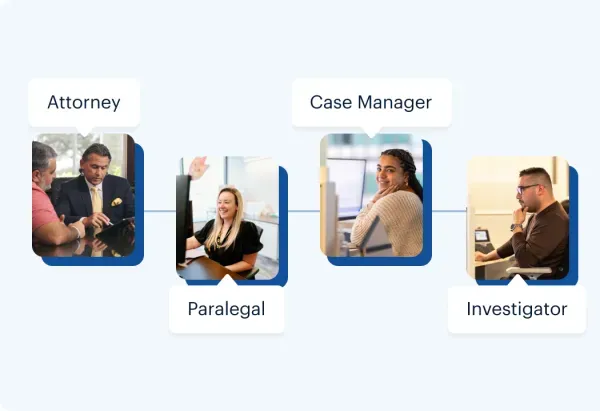
Meet your dedicated attorney
Meet the attorneys

We fight for more
Learn more about the case process
Results may vary depending on your particular facts and legal circumstances. The attorneys shown in these photos may not be licensed in your state. To find an attorney licensed in your area, please visit our attorney page.
Local Care
Backed by America’s Largest Injury Law Firm.
- $35 BillionRecovered for clients
nationwide - 700,000+Clients and families
served - 1,100+Attorneys across
the country - 1Click may change your life
We know your pain.
John Morgan’s brother Tim was injured as a teen. Their experience with a lawyer was a nightmare. John spent 35 years building a firm to do better for families like his. And yours.

The attorney featured above is licensed in Florida. For a full list of attorneys in your state please visit our attorney page.
Results may vary depending on your particular facts and legal circumstances.
Learn More
Injured and not sure what to do next?
We'll guide you through everything you need to know.