Results may vary depending on your particular facts and legal circumstances. The attorney featured above is licensed in Florida. For a full list of attorneys in your state please visit our attorney page.
NEGLIGENT SECURITY LAWYER IN COLUMBUS, OHIO
A violent crime on another person’s property can leave victims facing serious injuries, mounting medical bills, lost wages, and long-term emotional distress. Morgan & Morgan may be able to explain your legal options and help you seek compensation.
Results may vary depending on your particular facts and legal circumstances. The attorney featured above is licensed in Florida. For a full list of attorneys in your state please visit our attorney page.








When Inadequate Security Leads to Serious Harm
Apartment communities, hotels, shopping centers, parking facilities, and entertainment venues throughout Columbus should take reasonable precautions to protect tenants, customers, and visitors from foreseeable danger. When basic security measures are missing or poorly maintained, assaults, robberies, and other violent crimes can result in serious physical injuries, emotional trauma, and significant financial hardship.
If you or a loved one was harmed on an inadequately secured property in Columbus, Ohio, you may have legal options. A negligent security attorney may be able to examine whether issues such as poor lighting, broken locks, inadequate surveillance, or insufficient security staffing contributed to the incident, determine who may be responsible, and help you pursue compensation for your injuries and related losses.
Morgan & Morgan offers free, no-obligation case evaluations. Our negligent security attorneys may be able to explain your rights and pursue accountability from a property owner, management company, security contractor, or another party whose failures contributed to the harm.
- 700,000+ clients Chose Morgan & Morgan Nationwide.
- $0 upfront Only pay if we win.
- Available 24/7 Get help anytime.
Negligent Security Cases in Columbus, Ohio Need Three Things
The Property Owner Had a Duty to Provide Reasonable Security
Inadequate Security Contributed to the Incident
You Suffered Injuries or Losses
Talk to Our Team at No Cost
150,000+ Five Star Reviews
The reasons why clients trust Morgan & Morgan.






Results may vary depending on your particular facts and legal circumstances. Based on select nationwide reviews.
What should I do if I was injured due to negligent security in Columbus, Ohio?
If inadequate security contributed to your injuries, taking the following steps may help protect your health and preserve a potential claim:
- Seek medical care: Get treatment as soon as possible and keep detailed records of your injuries, appointments, and medical expenses.
- Report the incident: Notify the property owner, manager, security personnel, or law enforcement, and request copies of any available reports.
- Document the scene: Photograph your injuries, the area where the incident occurred, and any apparent security failures, such as broken locks, poor lighting, or missing cameras.
- Collect witness information: Obtain names and contact details from anyone who saw what happened or knew about prior safety concerns.
- Preserve important records: Keep medical bills, police reports, incident reports, photographs, receipts, and communications related to the event.
- Be cautious when speaking with insurers: Avoid giving recorded statements or accepting a settlement before understanding how it may affect your rights.
- Consult a negligent security attorney: A lawyer may be able to evaluate what happened, identify potentially responsible parties, and help you pursue compensation.
What constitutes negligent security in Columbus, Ohio?
Negligent security is a form of premises liability that may arise when a property owner or manager fails to take reasonable steps to protect visitors, tenants, or employees from foreseeable harm. This failure can manifest in various ways, often related to physical security measures or a lack of oversight, which creates a dangerous environment. Here are some examples of negligent security in different environments in Columbus:
Residential Properties
Apartment complexes and residential communities are often frequented by people who trust that their living spaces are secure. When property owners fail to maintain reasonable security measures, residents and visitors may be exposed to crimes such as assault, burglary, or vandalism.
Examples of negligent security in residential areas might include:
- Broken or malfunctioning gates or locks that allow unauthorized individuals to gain access to the premises.
- Poor or inadequate lighting in parking lots, hallways, or stairwells can make it easier for criminals to operate undetected.
- Lack of surveillance cameras or security personnel can make it difficult to identify perpetrators or deter criminal behavior.
Commercial Properties
Shopping centers, office buildings, parking garages, and other commercial properties often attract large numbers of visitors, which can also make them vulnerable to criminal activity. When property owners fail to provide reasonable security, incidents such as theft, assault, or shootings may occur.
Examples of negligent security at commercial properties in Columbus, Ohio, may include:
- Missing or malfunctioning security cameras that allow criminal activity to go unnoticed or undocumented
- Insufficient security staffing limits the ability to monitor the property and respond to suspicious behavior
- Poorly lit parking garages, walkways, or entrances that create concealed areas and increase safety risks
Event Venues
Event venues such as concert halls, stadiums, and arenas often bring together large crowds, making effective crowd management and security especially important. Inadequate planning or insufficient safety measures can create dangerous conditions for attendees.
Negligent security at event venues may manifest as:
- Lack of crowd control measures, such as inadequate barriers or poorly trained security staff, may result in physical altercations or stampedes.
- Insufficient bag checks or metal detectors at entrances may allow dangerous weapons or illegal items into the venue.
- Failure to provide emergency services in case of incidents like fights, medical emergencies, or accidents.
Public Spaces
Parks, transit stations, bus stops, and other public spaces are places where people should be able to go about their daily activities safely. When reasonable security measures are missing, the risk of violent crime, theft, and vandalism may increase.
Examples of inadequate security in public spaces may include:
- Missing or insufficient surveillance in parks or transit stations, allowing criminal activity to go unnoticed
- Poorly lit areas in parks, bus stops, or stations that create unsafe conditions, particularly at night
- Limited patrols or security presence in areas with a known history of criminal activity
What are common victim scenarios in negligent security cases?
Negligent security claims often involve crimes that may have been prevented or made less likely through reasonable safety measures. Common scenarios may include:
Violent crimes
- Assault: Poor lighting, broken gates or locks, and limited security monitoring can leave people vulnerable to attacks at apartment complexes, parking garages, and other properties.
- Armed robbery: Commercial properties and residential communities with weak security may be targeted when criminals believe they are unlikely to be detected or stopped.
- Shootings: Inadequate surveillance, insufficient security staffing, or delayed emergency response may allow a shooting to occur without timely intervention.
Sexual crimes
Poor lighting, limited surveillance, and isolated areas may increase the risk of sexual assault. Potentially dangerous locations can include:
- Dimly lit parking lots at shopping centers: Poor lighting can make it easier for perpetrators to approach victims without being seen.
- Secluded areas of apartment complexes: Limited visibility and foot traffic may increase vulnerability in these locations.
- Isolated sections of public parks: Areas that are far from main paths or lack surveillance may present higher risks.
Property crimes
Vandalism, vehicle theft, and burglary may be more likely on properties with inadequate security. Contributing conditions may include:
- Missing or malfunctioning security cameras: Cameras that are broken, poorly maintained, or absent may reduce the ability to monitor activity and deter crime.
- Broken gates, fences, or other access controls: Damaged or ineffective barriers may allow unauthorized individuals to enter the property more easily.
- A lack of on-site security personnel to monitor suspicious activity: Without trained staff present, suspicious behavior may go unnoticed or unaddressed.
What is the legal process for a negligent security claim in Columbus, Ohio?
If you were harmed by a crime that may have been made possible by inadequate security, understanding the legal process can help you know what to expect. A negligent security claim may involve the following steps:
1. Initial consultation and case evaluation
The process typically begins with a consultation with an experienced Morgan & Morgan attorney. During this stage, the attorney may review how the incident occurred, examine available evidence, and assess whether inadequate security may have contributed to the crime.
2. Investigation and evidence gathering
To support the claim, your attorney may collect evidence such as:
- Surveillance footage showing the incident or missing security measures
- Police reports and incident reports
- Property maintenance and security records
- Witness statements
- Expert testimony explaining how inadequate security may have contributed to the harm
3. Identifying responsible parties and filing the lawsuit
Depending on the circumstances, more than one party may be responsible, including a property owner, management company, landlord, or security contractor. After identifying the potentially liable parties and gathering sufficient evidence, your attorney may file a lawsuit on your behalf.
4. Settlement negotiations or trial preparation
After the lawsuit is filed, your attorney may negotiate with the opposing parties in an effort to reach a fair settlement. If the case cannot be resolved through negotiation, it may proceed to trial, where a judge or jury will determine the outcome.
Morgan & Morgan has experience handling negligent security claims through investigation, settlement negotiations, and trial when necessary. Our attorneys may be able to help you pursue compensation and seek accountability from those whose failures contributed to the incident.
Who can be held liable for negligent security in Columbus, Ohio?
Several parties may share responsibility in a negligent security case, depending on who owned, managed, controlled, or provided security for the property. Potentially liable parties may include:
- Property owners, landlords, and managers: These parties may be responsible for maintaining reasonably safe conditions and addressing known security risks.
- Event organizers: An organizer may be liable if inadequate security planning or staffing contributed to an injury at a venue.
- Security companies: A third-party security provider may be responsible if it fails to perform its duties with reasonable care.
- Employers: An employer may be held responsible if inadequate workplace security contributes to a foreseeable criminal incident.
More than one party may be responsible for the same incident. For example, both a property owner and a security contractor could share liability if each failed to take reasonable precautions and those failures contributed to the harm.
What types of compensation are available for negligent security claims in Columbus, Ohio?
Victims of negligent security incidents may be able to pursue compensation for several types of losses, depending on the circumstances of the case.
Economic damages
These damages address measurable financial losses, such as:
- Medical expenses: Emergency treatment, hospital care, surgery, rehabilitation, medication, and future medical needs
- Lost income: Wages lost while recovering and, in some cases, reduced future earning capacity
Non-economic damages
These damages address the physical and emotional effects of the incident, including:
- Emotional trauma: Anxiety, depression, post-traumatic stress disorder, and other psychological harm
- Pain and suffering: Physical pain, emotional distress, and reduced quality of life
Punitive damages
In limited cases involving gross negligence or reckless disregard for safety, punitive damages may also be available. These damages are intended to punish serious misconduct and discourage similar behavior in the future.
How does hiring a lawyer help my negligent security case in Columbus, Ohio?
Negligent security claims can involve complicated legal and factual issues. An experienced attorney may be able to guide you through the process, gather evidence, identify responsible parties, and help you pursue compensation for your injuries and losses.
Understanding premises liability law
Negligent security cases generally fall under premises liability law. A lawyer can evaluate whether the property owner, manager, or another party failed to take reasonable precautions against a foreseeable risk of criminal activity. This may involve determining:
- Whether the property owner had a duty to provide reasonable security
- Whether prior crimes or known safety concerns made the incident foreseeable
- Whether missing or inadequate security measures contributed to the harm
Investigating the incident
A lawyer can investigate the circumstances surrounding the crime and preserve evidence that may otherwise be lost. This may include:
- Requesting surveillance footage from the property or security company
- Interviewing witnesses who observed suspicious activity or relevant events
- Obtaining police reports, incident reports, and security records
- Reviewing prior crime reports and complaints involving the property
- Examining maintenance records for lighting, locks, gates, cameras, or alarms
Establishing negligence
One of the central challenges in a negligent security claim is showing that inadequate security contributed to the crime. An attorney may be able to:
- Identify security failures, such as broken locks, poor lighting, missing cameras, or insufficient staffing
- Connect those failures to the incident and the resulting injuries
- Work with security professionals, crime prevention specialists, or other experts to explain what reasonable precautions should have been taken
Identifying potentially responsible parties
More than one party may share responsibility for inadequate security. Depending on the circumstances, potentially liable parties may include:
- Property owners, landlords, or management companies
- Third-party security contractors
- Event organizers
- Employers
- Maintenance companies or other contractors
An attorney can examine the roles of each party and pursue claims against those whose failures may have contributed to the incident.
Handling insurance negotiations
Property owners and insurance companies may dispute responsibility, minimize the severity of your losses, or offer less than the claim may be worth. A lawyer can communicate with insurers, present supporting evidence, evaluate settlement offers, and negotiate on your behalf.
Preparing for trial
If the case cannot be resolved through a fair settlement, an attorney may file a lawsuit and represent you in court. This can include organizing evidence, preparing witnesses and experts, handling legal filings, and presenting your case to a judge or jury.
Evaluating your damages
A lawyer may also help identify the full range of compensation you could pursue, including:
- Medical expenses and future treatment costs
- Lost wages and reduced earning capacity
- Pain and suffering
- Emotional distress, anxiety, depression, or post-traumatic stress
- Other accident-related financial losses
- Punitive damages in limited cases involving especially reckless conduct
Providing support throughout the process
Pursuing a negligent security claim can be emotionally difficult, particularly while recovering from a violent incident. Having an attorney manage the legal process can allow you to focus more fully on your health and recovery while your legal team works to protect your rights and pursue accountability.
What types of evidence are needed to prove negligent security in Columbus, Ohio?
A negligent security claim generally requires evidence showing that the property owner, manager, or another responsible party failed to take reasonable steps to protect people on the property. Here’s a breakdown of the key evidence you will need:
Surveillance footage
- Why it’s important: Video may show how the incident occurred, whether suspicious activity was visible beforehand, and whether security failures contributed to the harm. It may also reveal missing camera coverage, malfunctioning equipment, or an inadequate security presence.
- What to gather: Footage from cameras near the location of the incident, including parking areas, entrances, hallways, elevators, and common spaces. Records showing that cameras were broken, offline, or poorly positioned may also support the claim.
Incident Reports
- Why it’s important: Incident or police reports document the details of the crime and any investigative steps taken afterward. They often provide valuable information regarding the nature of the crime, the injuries sustained, and how the security measures (or lack thereof) contributed to the incident.
- What to gather: Reports filed by the police, security personnel, or event organizers. If you were the victim, you may also have filled out reports at the scene or with the property manager.
Witness Statements
- Why it’s important: Testimonies from witnesses can corroborate your version of events and help establish that the crime could have been prevented with proper security measures. Witnesses can provide insight into what they saw before, during, or after the crime.
- What to gather: Contact details of witnesses, along with written or recorded statements. Eyewitness accounts can be crucial in verifying details about the environment, such as poor lighting or a lack of security presence.
Security Records and Logs
- Why it’s important: These records may show how security systems were maintained and how consistently security personnel monitored the property. Evidence of failures such as broken locks, malfunctioning gates, or missed patrols may help demonstrate that reasonable security measures were not maintained.
- What to gather: Logs from security companies, maintenance records for security systems (lighting, cameras, gates), and any records showing previous security incidents or complaints from tenants, employees, or patrons.
Maintenance Records
- Why it’s important: These records can reveal whether the property owner or manager kept up with necessary maintenance to ensure safety. Broken gates, inadequate lighting, or malfunctioning locks are often indicators of neglect.
- What to gather: Any reports or work orders related to security infrastructure, like gates, doors, lighting, locks, alarm systems, or cameras. These records help show if there were ongoing problems that were never addressed.
Expert Testimony
- Why it’s important: Expert witnesses, such as security consultants or crime prevention specialists, can provide professional opinions on the adequacy of security measures. They can testify to what safety precautions should have been in place and how the absence of these measures contributed to the crime.
- What to gather: Expert reports or testimony from individuals with qualifications in security, crime prevention, or similar fields. They can offer an objective analysis of whether the security measures in place were adequate for the environment.
Previous Crime History
- Why it’s important: A pattern of prior crimes or other criminal activity on the property may help show that the owner knew, or reasonably should have known, about the danger and should have taken appropriate steps to address the risk.
- What to gather: Crime records or incident reports showing prior criminal activity at the property. If there were frequent break-ins, assaults, or thefts, this may strengthen your claim that the property owner failed to improve security despite knowing the risks.
Photographic Evidence
- Why it’s important: Photos of the crime scene or the property in question can provide visual evidence of poor lighting, broken locks, or other hazards that contributed to the crime. These images help show the unsafe conditions that led to the incident.
- What to gather: Photos of the property showing poor lighting, obstructed pathways, broken gates, missing signage, or areas where security measures were lacking.
Contracts and Agreements
- Why it’s important: If the property owner or event organizer hired a security company, the contract or agreement can help determine the level of security that was supposed to be provided. Any failure to meet the contract’s terms may establish negligence.
- What to gather: Copies of contracts with security companies, including details about their responsibilities, the number of security personnel, and the specific security measures they were to implement.
Testimony From the Victim (You)
- Why it’s important: Your firsthand account can be important evidence, including details about the property conditions, any missing or inadequate security measures, and how the crime unfolded. Your testimony helps establish the direct link between the property’s unsafe conditions and the harm you suffered.
- What to gather: A written or recorded account describing what happened, the conditions surrounding the incident, and the ways the crime affected you.
How is “foreseeable harm” determined in a negligent security case in Columbus, Ohio?
In a negligent security case, "foreseeable harm" refers to the property owner's or manager's ability to predict or anticipate the risk of criminal activity on their property and whether that risk was high enough to warrant specific security measures. To establish negligent security, you must show that the harm (such as a violent crime or property damage) was foreseeable and that the property owner should have taken steps to prevent it. Here's how foreseeability is typically determined in such cases:
History of Similar Crimes
A history of criminal activity on the property may help establish that the owner should have anticipated the risk of future incidents. Repeated crimes, particularly those involving similar conduct, can support the argument that additional security measures were reasonably necessary.
Nature of the Property and Its Location
The type of property and its location are significant in assessing foreseeability. Properties located in high-crime areas or those that attract large crowds (e.g., shopping malls, event venues) are inherently more susceptible to crimes. A property in a dangerous or crime-ridden area will likely require more substantial security measures to prevent harm.
Previous Complaints or Concerns
If tenants, employees, or visitors have made complaints or raised concerns about security issues (such as broken gates, poor lighting, or a lack of security presence), this can establish that the property owner was aware (or should have been aware) of the risk. Failing to address these concerns may be evidence that the harm was foreseeable.
Expert Testimony
Crime prevention and security management experts may be able to evaluate whether the property’s security measures were reasonable in light of its specific risks. They can also explain applicable industry standards, whether the danger was foreseeable, and what precautions may have helped prevent the incident.
Crime Data and Statistics
Crime statistics and local trend data may help show that the incident was foreseeable. Rising crime rates in the area, or a pattern of similar crimes at comparable properties, can support the argument that the risk should have been anticipated.
The Risk of the Type of Crime
The type of crime that occurs is a key factor in determining foreseeability. Some crimes, like assaults or robberies, are more likely to happen in certain environments or under certain conditions, while others may be more random. The risk of harm must be assessed in relation to the property's vulnerability to specific types of crimes.
Standard Security Practices for Similar Properties
The standard of care for security in similar properties or businesses is also important in determining foreseeability. Property owners are expected to implement reasonable security measures that align with the standards in the industry or similar environments.
The Severity of the Crime
If the crime that occurred was particularly severe or violent, it may be easier to argue that the harm was foreseeable. In cases where the risk of violent crime was high, the property owner should have taken greater precautions.
The Opportunity for Criminals
When a property contains security vulnerabilities, such as poorly lit areas or a lack of security personnel, it may create conditions that make criminal activity more likely. Property owners are generally expected to take reasonable steps to identify and address these risks.
Do I still have a case if I partially contributed to the incident in Columbus, Ohio?
You may still be able to pursue a claim even if you contributed to the incident in some way. How partial responsibility affects your case will depend on the specific facts and the applicable laws. An experienced Morgan & Morgan attorney may be able to evaluate your situation and explain your available legal options.
What happens if the property owner is uninsured in Columbus, Ohio?
If a property owner is uninsured and a negligent security incident occurs on their property, it can create additional challenges for victims seeking compensation. However, there are still several potential avenues for victims to pursue legal action and seek damages. Here's what can happen if the property owner is uninsured:
Personal Liability of the Property Owner
- What it means: Even if a property owner does not have insurance, they can still be personally liable for damages resulting from negligent security. If the property owner is found responsible for the crime due to a lack of adequate security measures, they may be required to pay damages out of their own pocket.
- What could happen: If the property owner does not have insurance, the court may order them to pay for medical bills, lost wages, pain and suffering, and other damages. However, if the property owner does not have significant personal assets, they may struggle to cover the full cost of damages. This could result in a lengthy process of debt recovery or, in some cases, bankruptcy.
Pursuing a Lawsuit Against Other Liable Parties
- What it means: If the property owner is uninsured, victims can explore other potential defendants who might share liability for the incident. For example, security companies, event organizers, or other parties responsible for maintaining security might be held accountable if they fail to meet their obligations.
- What could happen: In cases where multiple parties are responsible for the negligence, a victim can pursue claims against the property owner as well as any third-party security companies or contractors hired to monitor the property. Even if the property owner is uninsured, other parties may have insurance or assets to compensate the victim.
Utilizing Victim Compensation Funds
- What it means: Some states and local governments offer victim compensation programs that may provide financial assistance to people harmed by violent crimes or negligent security incidents. These programs can help cover medical expenses, lost wages, and other costs for victims of crimes when the at-fault party is uninsured or unable to pay.
- What could happen: If the property owner is uninsured, a victim may be able to apply for compensation through state victim assistance programs, which provide funds to help cover certain expenses, especially in cases of violent crimes like assault or robbery. These funds, however, are usually limited and may not fully cover all damages.
Filing a Claim Through Your Own Insurance
- What it means: In some cases, the victim may be able to file a claim with their own insurance provider to cover certain costs, such as medical expenses or damage to property. This is more likely if the victim has certain types of insurance, such as renters' insurance, homeowners' insurance, or personal injury protection (PIP) coverage.
- What could happen: If the victim is insured, they might be able to seek compensation for damages from their own policy, depending on the nature of the crime and the coverage available. For example, if a car is stolen from an unsecured parking lot, the victim’s car insurance policy might cover the theft, even if the property owner is uninsured.
Seeking Punitive Damages
- What it means: In some cases, victims of negligent security may be entitled to punitive damages, which are awarded as a punishment for gross negligence or willful misconduct. While this does not guarantee compensation, it could still result in the property owner being held financially accountable.
- What could happen: If the property owner’s negligence was particularly egregious, such as ignoring repeated complaints about security or failing to take reasonable steps to prevent harm, the court may award punitive damages in addition to compensatory damages. Even if punitive damages are awarded, recovering the full amount may still be difficult if the property owner lacks sufficient insurance coverage or assets.
Challenges of Recovery
- What it means: When a property owner lacks insurance, recovering compensation may become more difficult and take longer. If the owner also has limited assets or insufficient financial resources, the victim may be unable to recover the full amount of their damages.
- What could happen: The victim might have to initiate additional legal steps to collect the judgment, such as garnishing wages, placing liens on property, or pursuing other legal mechanisms. If the property owner is insolvent or in bankruptcy, recovery of the judgment may be limited or impossible.
Exploring Alternative Dispute Resolution (ADR)
- What it means: In the absence of insurance, the property owner and the victim may seek a resolution through alternative means, such as mediation or arbitration. These methods could potentially help both parties reach a settlement outside of court.
- What could happen: If litigation is impractical due to the property owner’s lack of insurance or assets, alternative dispute resolution may offer a quicker and less costly way for the victim to receive compensation. A mediator or arbitrator can help facilitate an agreement that satisfies both parties, though the property owner’s financial situation may still limit the amount of compensation.
State Laws and Court Judgments
- What it means: In certain states, courts may have specific rules for handling cases where the defendant is uninsured. In some situations, a victim may be able to take advantage of certain legal processes to obtain compensation, such as using a judgment to force the sale of the property or garnishing the property owner’s income.
- What could happen: If the court rules in favor of the victim, they may be able to collect a judgment against the property owner. However, if the owner does not have the ability to pay, they may be subject to garnishments or liens, though this can be a lengthy and complex process.
Do I have to pay for a consultation with a lawyer for a negligent security case in Columbus, Ohio?
No. Morgan & Morgan offers free, no-obligation case evaluations, regardless of your financial circumstances.
Getting started is simple. You can contact us by phone or complete a free case evaluation online in just a few minutes. If we take your case, our negligent security attorneys work on a contingency fee basis, meaning the Fee Is Free™ unless we recover compensation for you.
Who will be on my Columbus, Ohio, case team?
When you hire Morgan & Morgan, you don’t just hire a lawyer; you hire America’s Largest Injury Law Firm, with an army of 1,100 lawyers. Your case will be handled by a dedicated team of professionals, including personal injury lawyers, paralegals, and support staff. You will be assigned a care team that includes a primary attorney who will oversee your case and ensure you receive personalized attention throughout the process.
When do I meet with my lawyer in Columbus, Ohio?
After your initial consultation, your care team will schedule regular meetings to discuss your case, provide updates, and prepare you for any upcoming proceedings. We are committed to maintaining open lines of communication and keeping you informed every step of the way.
These meetings can be handled in person, virtually, or by phone, depending on your case’s requirements and your ability to do so.
How much does it cost to hire Morgan & Morgan in Columbus, Ohio?
Morgan & Morgan’s negligent security lawyers work on a contingency fee basis, meaning that there are no upfront fees or expenses until your case comes to a successful conclusion. That’s right—the Fee Is Free™, and you only pay if we win.
Our fee is a percentage of the settlement or verdict amount, ensuring we are motivated to achieve the best possible outcome for you.
Why should I hire Morgan & Morgan for my negligent security case in Columbus, Ohio?
Morgan & Morgan’s negligent security attorneys have experience representing clients in similar cases and have helped recover substantial compensation for injured individuals. As the largest personal injury law firm in the country with over 1,100 lawyers nationwide, we have the resources, knowledge, and dedication to fight for your rights.
We work on a contingency fee basis, meaning you won’t have to pay unless we win your case. Morgan & Morgan believes justice should be accessible to all, so our motto is the Fee Is Free™—you only pay if we win.
We are committed to pursuing accountability from negligent property owners whose failures caused harm. You should not have to carry the physical, emotional, and financial consequences of someone else’s negligence alone. Contact Morgan & Morgan today for a free case evaluation to learn more about your legal options.
How It Works
Unsure what to do next? With 35 years of experience, our personal
injury lawyers will guide you every step of the way.

Contact Us 24/7 - It’s Free
Start your claim
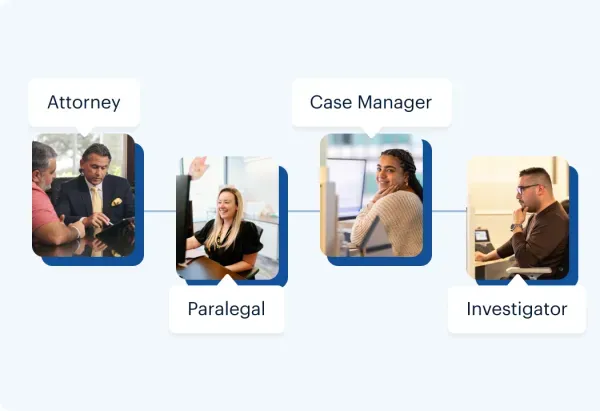
Meet your dedicated attorney
Meet the attorneys

We fight for more
Learn more about the case process
Results may vary depending on your particular facts and legal circumstances. The attorneys shown in these photos may not be licensed in your state. To find an attorney licensed in your area, please visit our attorney page.
Local Care
Backed by America’s Largest Injury Law Firm.
- $35 BillionRecovered for clients
nationwide - 700,000+Clients and families
served - 1,100+Attorneys across
the country - 1Click may change your life
We know your pain.
John Morgan’s brother Tim was injured as a teen. Their experience with a lawyer was a nightmare. John spent 35 years building a firm to do better for families like his. And yours.

The attorney featured above is licensed in Florida. For a full list of attorneys in your state please visit our attorney page.
Results may vary depending on your particular facts and legal circumstances.
Learn More
Injured and not sure what to do next?
We'll guide you through everything you need to know.
