Cases will be handled by attorneys licensed in the local jurisdiction. Cases may be associated with, or referred to, other law firms as co-counsel or referral counsel. Results may vary depending on your particular facts and legal circumstances. The attorney featured above is licensed in Florida. For a full list of attorneys in your state please visit our attorney page.
SOCIAL SECURITY DISABILITY CLAIM IN HAWAII
A disabling condition can disrupt your ability to work, pay bills, and plan for your future. Social Security Disability benefits in Hawaii may provide essential support, but even legitimate claims are often denied. If you believe your claim was denied unfairly, Morgan & Morgan may be able to help.
Cases will be handled by attorneys licensed in the local jurisdiction. Cases may be associated with, or referred to, other law firms as co-counsel or referral counsel. Results may vary depending on your particular facts and legal circumstances. The attorney featured above is licensed in Florida. For a full list of attorneys in your state please visit our attorney page.


When a Disability Keeps You From Working
Social Security Disability Insurance and Supplemental Security Income can provide crucial financial support when a medical condition prevents someone from continuing to work. However, the application process can be demanding, requiring detailed forms, substantial medical evidence, and careful compliance with Social Security Administration rules.
Claims may be delayed or denied because of incomplete records, application mistakes, questions about work history, or insufficient documentation showing how a condition affects the applicant’s ability to maintain employment. Whether you are applying for the first time or appealing a denial, legal guidance can help you navigate the process and avoid errors that may weaken your claim.
Morgan & Morgan may be able to assist Social Security Disability applicants in Hawaii. Our attorneys licensed to practice in Hawaii can help gather medical and employment records, complete required paperwork, communicate with the Social Security Administration, and prepare an appeal when necessary. We can review your circumstances, explain the benefits that may be available, and help you pursue the financial assistance you need.
Morgan & Morgan handles qualifying Social Security Disability claims on a contingency-fee basis, meaning there are no upfront costs and you only pay if your claim is successful. Contact us today for a free case evaluation.
- 700,000+ clients Chose Morgan & Morgan Nationwide.
- $0 upfront Only pay if we win.
- Available 24/7 Get help anytime.
Social Security Disability Claims in Hawaii Need Three Things
Eligibility
Supporting Documentation
A Complete and Timely Application
Talk to Our Team at No Cost
150,000+ Five Star Reviews
The reasons why clients trust Morgan & Morgan.






Results may vary depending on your particular facts and legal circumstances. Based on select nationwide reviews.
How do I know if I have a Social Security claim in Hawaii?
Whether you qualify for Social Security benefits depends on your circumstances and the type of benefits you are seeking. You may have a valid claim if you:
- Have a severe, long-term medical condition that prevents you from working
- Have limited income and resources, and may qualify for SSI
- Are eligible for survivor benefits based on the work history of a deceased spouse, parent, or other qualifying relative
- Are approaching or have reached retirement age and have a sufficient work history
Social Security claims can be difficult to navigate, particularly after a denial. Morgan & Morgan may be able to help if:
- The SSA determined that your condition did not meet its disability requirements
- You are unsure whether you qualify or have questions about work credits
- You need assistance gathering documentation or appealing a denied claim
How do I apply for Social Security benefits?
The application process for Social Security Disability benefits can be complex, but it’s manageable with preparation:
- Gather required documents: Collect medical records, employment history, tax returns, and information about your condition.
- Complete the application: Apply online at the Social Security Administration (SSA) website, by phone, or in person at your local SSA office.
- Submit medical evidence: Provide comprehensive documentation from your healthcare providers to support your claim.
- Wait for a decision: It typically takes 6-9 months to receive an initial decision.
Failing to file correctly, filing an incomplete application, or missing a deadline can all hurt your chances for disability benefits. Working with an experienced attorney at Morgan & Morgan can help you file your claim correctly and within the applicable deadlines.
What is the timeline for receiving a decision on my Social Security Disability application in Hawaii?
An initial decision typically takes six to nine months, although processing times can vary. If the claim is denied and an appeal is necessary, the process may take several additional months or, in some cases, a few years. An attorney can review your circumstances and provide a more specific estimate for your claim.
Do I need a lawyer to sign up for disability benefits in Hawaii?
No. You are not required to hire a lawyer to apply for Social Security Disability benefits, but legal guidance can be helpful. The application process often involves detailed paperwork, strict deadlines, and extensive medical documentation. Many initial claims are denied because of incomplete applications, filing errors, or insufficient supporting evidence. An experienced disability attorney can help by:
- Preparing an accurate application: Ensure the required forms are completed thoroughly and correctly to reduce the risk of avoidable errors.
- Gathering supporting evidence: Collect and organize medical records, employment information, and other documents that may strengthen your claim.
- Explaining SSA requirements: Help you understand Social Security Administration rules and determine whether you meet the applicable eligibility criteria.
- Representing you during an appeal: Advocate for you during reconsideration, administrative hearings, and other stages of the appeals process if your claim is denied.
Morgan & Morgan handles qualifying Social Security Disability claims on a contingency-fee basis, meaning you do not pay unless your claim is successful. Although hiring an attorney is not required, experienced legal support can help you navigate the process and present a stronger claim.
What’s the difference between SSI and SSDI in Hawaii?
Two main types of Social Security disability benefits may be available, depending on your financial circumstances, work history, and eligibility.
Supplemental Security Income (SSI)
- Eligibility: SSI is based on financial need and is generally available to individuals with limited income and resources.
- Funding source: SSI is funded through general tax revenue rather than Social Security payroll taxes.
- Benefit amount: The amount may vary based on individual circumstances and any applicable state supplement. SSI benefits are generally lower than SSDI benefits.
Social Security Disability Insurance (SSDI)
- Eligibility: SSDI is based on your work history and whether you have earned enough work credits by paying Social Security taxes.
- Funding source: SSDI benefits are funded through Social Security payroll taxes.
- Benefit amount: Your monthly benefit is based on your prior earnings and is often higher than SSI benefits.
How do I strengthen my Social Security Disability application in Hawaii?
Several steps may help improve your chances of approval:
- Provide strong medical evidence: Submit complete treatment records, diagnostic test results, physician notes, and other documentation showing the severity of your condition.
- Follow your treatment plan: Attend appointments, take prescribed medications, and document your efforts to follow your healthcare providers’ recommendations.
- Work with Morgan & Morgan: An experienced attorney can help ensure your application is complete, accurate, and supported by the necessary evidence.
- Be honest and specific: Clearly explain how your condition affects your daily activities, physical or mental abilities, and capacity to maintain employment.
How is eligibility for these benefits determined in Hawaii?
Eligibility for Social Security Disability benefits depends on:
- Work credits (for SSDI): Based on your age and work history, you must have earned enough credits through Social Security taxes.
- Income and assets (for SSI): Supplemental Security Income (SSI) is a needs-based program with strict income and resource limits.
Meeting these requirements is the first step toward securing benefits.
How does the Social Security Administration define disability?
The Social Security Administration (SSA) defines disability very specifically. To qualify, you must:
- Be unable to perform substantial gainful activity (SGA): Your condition must prevent you from earning more than the monthly SGA threshold.
- Have a severe impairment: Your condition must substantially restrict your ability to perform basic work-related tasks, such as walking, lifting, concentrating, or remembering information.
- Have a condition expected to last 12 months or result in death: Temporary or short-term conditions typically don’t qualify.
- Be listed in the SSA’s Blue Book: This guide outlines medical conditions and criteria for automatic approval. If your condition isn’t listed, you’ll need to provide extensive medical evidence to prove its severity.
Can I apply for Social Security Disability benefits online in Hawaii?
Yes, you can apply online on the SSA website. Be prepared to upload medical records, work history, and personal information. It is recommended that you proceed with the help of an experienced attorney to maximize your chances of approval without delays. Speak to a member of our legal team today for help with a free case evaluation.
How do I appeal a denied Social Security claim in Hawaii?
If your claim is denied, your attorney can appeal through these steps:
- Request for reconsideration: Submit additional evidence and corrections within 60 days.
- Administrative Law Judge (ALJ) hearing: Present your case before a judge.
- Appeals council review: Request a review of the judge’s decision.
- Federal court: As a final resort, file a lawsuit in federal district court.
Each stage requires thorough preparation and compliance with strict filing deadlines
What are common reasons for claim denials in Hawaii?
Many applicants receive a denial after submitting their initial claim. Common reasons may include:
- Insufficient medical evidence: The records provided do not clearly establish the severity of the condition or how it limits the applicant’s ability to work.
- Failure to follow prescribed treatment: The applicant does not follow the recommended treatment plan without a valid explanation.
- Insufficient work history: The applicant has not earned enough work credits to qualify for SSDI benefits.
- Income above applicable limits: The applicant’s earnings or financial circumstances exceed the limits that apply to the benefit program.
Understanding these common issues may help you avoid mistakes that could weaken your claim. An experienced Morgan & Morgan attorney licensed to practice in Hawaii can review your application, address potential concerns, and help you pursue a favorable outcome.
What’s the importance of medical documentation in Social Security Disability claims in Hawaii?
Strong medical evidence is a critical part of a Social Security Disability claim. Helpful documentation may include:
- Diagnostic testing: Imaging studies, bloodwork, and other objective test results that support your diagnosis.
- Physician notes: Detailed records describing your symptoms, functional limitations, and how your condition affects your ability to work.
- Treatment history: Documentation showing that you have sought medical care and followed recommended treatment plans.
A written statement from your doctor explaining your condition and work-related limitations may also help strengthen your claim.
How often does Social Security review disability benefits in Hawaii?
The Social Security Administration periodically reviews disability cases to determine whether recipients continue to qualify for benefits. These evaluations are known as Continuing Disability Reviews.
How often a review occurs generally depends on whether the SSA expects the person’s medical condition to improve. Some cases may be reviewed every few years, while claims involving permanent or unlikely-to-improve conditions may be reviewed less frequently.
During a review, the SSA may consider updated medical records, treatment history, work activity, and other information related to the person’s condition and continued eligibility.
How do I qualify for both SSI and SSDI benefits in Hawaii?
In some cases, a person may qualify for both Supplemental Security Income (SSI) and Social Security Disability Insurance (SSDI) benefits at the same time. This is commonly referred to as receiving “concurrent benefits.”
SSDI is based on your work history and the Social Security taxes you paid while working. To qualify, you generally must:
- Have enough work credits based on your age and employment history
- Have a qualifying disability that prevents substantial gainful activity
SSI, on the other hand, is a need-based program for individuals with limited income and resources. To qualify for SSI, you generally must:
- Have limited income and assets
- Be disabled, blind, or age 65 or older
To receive both SSI and SSDI benefits, you must meet the medical requirements for disability while also meeting SSI’s financial limits. This commonly happens when a person qualifies for SSDI but receives a relatively low monthly payment because of a limited work history or lower lifetime earnings.
For example, if a person qualifies for SSDI but receives a monthly benefit amount below the SSI payment threshold, SSI may provide additional benefits to supplement that income.
There are also additional factors that may affect eligibility for concurrent benefits, including:
- SSI resource limits for individuals and couples
- Eligibility for Medicaid through SSI
- Eligibility for Medicare after receiving SSDI benefits for the required period
When you apply for disability benefits, the Social Security Administration (SSA) may evaluate whether you qualify for both SSDI and SSI through the same application process.
What medical conditions automatically qualify for Social Security Disability benefits in Hawaii?
The Social Security Administration (SSA) maintains a list of qualifying medical conditions known as the “Blue Book.” Certain severe conditions that meet the SSA’s medical criteria may qualify for disability benefits more quickly or with less additional review.
Examples of conditions that may qualify include:
- Advanced cancers
- ALS (Lou Gehrig’s disease)
- Certain neurological disorders
- Serious heart conditions
- Severe mental health disorders
- Some genetic or autoimmune conditions
However, simply having a diagnosis does not automatically guarantee approval. The SSA also evaluates how severely the condition limits your ability to work and whether it is expected to last at least 12 months or result in death.
Medical records, treatment history, physician documentation, and test results are often critical in supporting a disability claim. An experienced attorney can help determine whether your condition may meet the SSA’s eligibility requirements before you begin the application process.
Can I qualify for Social Security Disability if I have a mental health condition in Hawaii?
Yes, certain mental health conditions may qualify for Social Security Disability benefits if they significantly limit your ability to work and meet the Social Security Administration’s definition of disability.
Conditions that may qualify can include depression, anxiety disorders, PTSD, bipolar disorder, schizophrenia, autism spectrum disorders, and other serious mental health conditions. The SSA evaluates factors such as medical records, treatment history, symptom severity, and how the condition affects daily functioning and the ability to maintain employment.
Strong medical documentation from psychiatrists, psychologists, therapists, or other healthcare providers is often critical in these claims.
Can I receive disability benefits if I’m still able to work part-time in Hawaii?
Yes, it is possible to receive disability benefits while working part-time, but certain rules and income limits apply. The Social Security Administration (SSA) has guidelines to determine whether part-time work disqualifies you from receiving disability benefits. Here’s a breakdown:
Substantial Gainful Activity (SGA)
The SSA uses a concept called Substantial Gainful Activity (SGA) to evaluate your work. SGA refers to the level of income that demonstrates your ability to engage in significant work.
For 2026, the SGA limit is:
- $1,690 per month for non-blind individuals.
- $2,830 per month for blind individuals.
If you earn more than the SGA limit, you will generally not qualify for disability benefits, as the SSA assumes you can engage in substantial work.
Trial Work Period (TWP)
If you are already receiving Social Security Disability Insurance (SSDI), the SSA allows you to test your ability to work through a Trial Work Period (TWP) without losing your benefits.
- You can earn any amount during the TWP without it affecting your SSDI benefits, as long as you report your earnings to the SSA.
- The TWP lasts for nine months (within a rolling 60-month period) where monthly earnings exceed $1,210 in 2026.
Extended Period of Eligibility (EPE)
After completing the Trial Work Period, you enter an Extended Period of Eligibility (EPE) lasting 36 months. During this time:
- You can still receive benefits in months when your earnings are below the SGA limit.
- If your earnings exceed the SGA limit, benefits may stop, but can be reinstated if your earnings drop again.
Supplemental Security Income (SSI) and Part-Time Work
For SSI, part-time work may not disqualify you from benefits, but your income will affect your monthly payment.
- The SSA reduces SSI benefits by $1 for every $2 of earned income over $85 per month.
- SSI has strict resource and income limits, so maintaining low earnings is crucial to continue receiving benefits.
Work Incentives and Support Programs
The SSA offers work incentive programs to encourage individuals to work without fear of losing their benefits prematurely:
- Impairment-Related Work Expenses (IRWEs): Costs related to your disability that are necessary for you to work (e.g., transportation, assistive devices) can be deducted from your earnings when determining SGA.
- Ticket to Work Program: This free program helps disability beneficiaries receive training and support to transition back into the workforce.
Factors to Consider When Working Part-Time
- Physical and mental capabilities: The SSA assesses whether your work activity shows you are capable of full-time work.
- Consistency of work: Occasional or limited work may not affect your benefits, but consistent employment could prompt the SSA to review whether you remain eligible.
- Reporting requirements: Always report your work activity and earnings to the SSA to avoid overpayments or penalties.
How do I speak to a disability representative in Hawaii?
A disability representative is anyone legally permitted to represent you in a disability claim. The representative can be a family member, lawyer, paralegal, or any other legal professional specializing in Social Security Disability cases.
Most people seek disability lawyers to represent them in their Social Security Disability claims. There are many benefits of hiring an attorney to handle such claims compared to other professionals in this field. Here's why it's always advisable to speak to a disability attorney.
You can speak with a disability representative at Morgan & Morgan with no obligation or cost to you. Contact us anytime for a free case evaluation.
How much does it cost to hire Morgan & Morgan, licensed in Hawaii?
Morgan & Morgan’s Social Security lawyers work on a contingency fee basis, meaning that there are no upfront fees or expenses until your case comes to a successful conclusion. That’s right—the Fee Is Free™, and you only pay if we win.
Our fee is a percentage of the settlement or verdict amount, ensuring we are motivated to achieve the best possible outcome for you.
Do I have to pay for a consultation at Morgan & Morgan, licensed in Hawaii?
No. Consultations at Morgan & Morgan are completely free. We believe everyone deserves access to legal advice, regardless of their financial situation.
Hiring one of our Social Security lawyers is easy, and you can get started in minutes with a free case evaluation on our site or by phone.
Who will be on my Hawaii case team?
When you hire Morgan & Morgan, you gain access to the resources of America’s Largest Injury Law Firm™, with more than 1,100 attorneys nationwide and over 700,000 clients helped. These firmwide resources can support the investigation and preparation of complex injury and social security claims.
Your case will be overseen by attorneys licensed to practice in Hawaii. Depending on your needs, the broader legal team may also include paralegals, case managers, and other professionals who help gather records, manage deadlines, and keep the case moving forward.
You may also have a primary point of contact who can answer questions, provide updates, and help keep you informed throughout the legal process.
Why should I hire Morgan & Morgan, licensed in Hawaii, for my Social Security Disability claim?
Social Security Disability claims can be complicated and often involve extensive medical documentation, strict deadlines, and detailed eligibility requirements. Morgan & Morgan has more than 1,100 attorneys nationwide and has helped clients pursue the benefits they may be entitled to seek.
Our attorneys understand the challenges individuals may face when applying for Social Security Disability benefits, especially after a claim denial or while dealing with serious medical conditions that affect the ability to work. We work to help clients build strong applications, gather supporting evidence, and navigate the appeals process when necessary.
Morgan & Morgan handles Social Security Disability claims on a contingency fee basis, which means there are no upfront fees and you only pay if your claim is successful. If you are considering applying for benefits or appealing a denial, contact Morgan & Morgan today for a free case evaluation to learn more about your legal options.
How It Works
Unsure what to do next? With 35 years of experience, our personal
injury lawyers will guide you every step of the way.
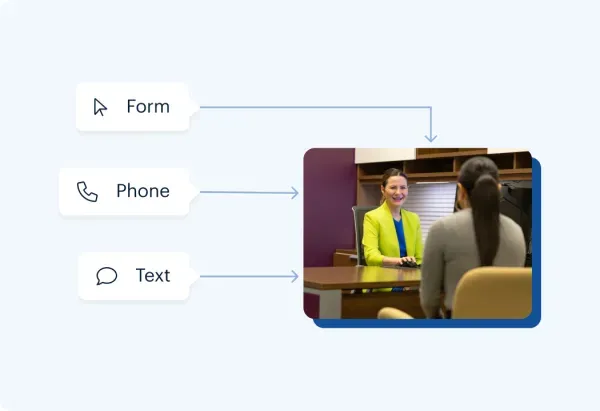
Contact Us 24/7 - It’s Free
Start your claim
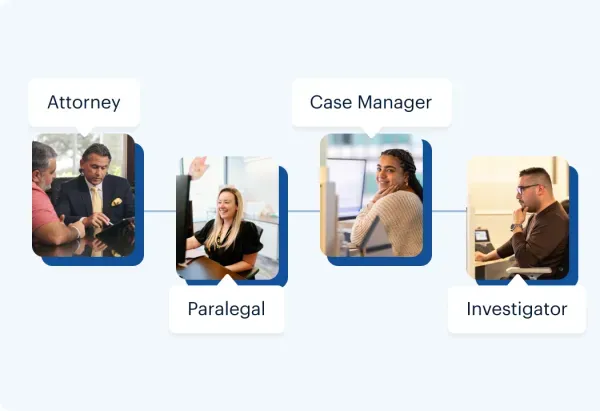
Meet your dedicated attorney
Meet the attorneys

We fight for more
Learn more about the case process
Results may vary depending on your particular facts and legal circumstances. The attorneys shown in these photos may not be licensed in your state. To find an attorney licensed in your area, please visit our attorney page.
Local Care
Backed by America’s Largest Injury Law Firm.
- $35 BillionRecovered for clients
nationwide - 700,000+Clients and families
served - 1,100+Attorneys across
the country - 1Click may change your life
We know your pain.
John Morgan’s brother Tim was injured as a teen. Their experience with a lawyer was a nightmare. John spent 35 years building a firm to do better for families like his. And yours.

The attorney featured above is licensed in Florida. For a full list of attorneys in your state please visit our attorney page.
Results may vary depending on your particular facts and legal circumstances.
Learn More
Injured and not sure what to do next?
We'll guide you through everything you need to know.
