PEOPLE PROTECTOR
Search thousands of recalls from the Food and Drug Administration, the Consumer Product Safety Commission, and the National Highway Traffic Safety Administration — from vehicles and medical devices to toys, appliances, and household goods.
Featured Recalls
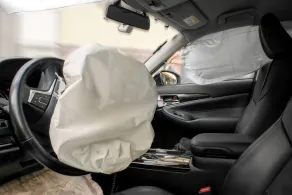
Dangerously Defective Airbags: ARC and Takata Airbag Malfunctions

Are You Eligible for a Dexcom Device Recall Lawsuit?

Kratom Lawsuits on the Rise: What You Need to Know

Stay Ahead of Product Recalls
Search Recalls

What to Do if Your Product Is Recalled
Get the latest recall alerts and safety updates delivered straight to your inbox.
- Safety concerns – Products may cause injury, illness, or death due to a defect, contamination, or hidden hazard.
- Regulatory violations – Items that fail to meet federal safety requirements (such as FDA or CPSC standards) may be pulled from shelves.
- Performance failures – A product may not work as advertised, creating risk for consumers.
- Medical expenses: hospital bills, surgeries, rehabilitation, medications, future care.
- Lost income: wages lost while recovering, and future earning capacity if you can’t return to work.
- Pain and suffering: physical pain, emotional distress, diminished quality of life.
- Wrongful death damages: if a defective product caused the loss of a loved one, surviving family members may seek compensation for funeral costs, loss of financial support, and emotional suffering.
- Punitive damages: in some cases, courts may award extra damages to punish companies that acted recklessly or tried to hide defects.
- The manufacturer (for defective design, poor manufacturing, or lack of safety testing).
- The distributor or wholesaler (for allowing defective products into the marketplace).
- The retailer (for selling dangerous or recalled items).
- Negligence – Failing to test or warn consumers.
- Strict liability – Holding companies accountable regardless of intent.
- Breach of warranty – The product didn’t live up to its promises.
- Medical devices that failed or malfunctioned
- Unsafe automobiles or auto parts (airbags, brakes)
- Dangerous consumer goods (appliances, toys, children’s products)
- Defective drugs or pharmaceuticals
- Household products with hidden risk (fire hazards, choking, toxicity)
- Stop Using the Product Immediately
Even if it seems to be working fine, stop using it right away. Many defects aren’t obvious until they cause harm. - Check the Recall Details
Visit the official recall notice (often issued by the U.S. Consumer Product Safety Commission, FDA, or NHTSA) and confirm that your product’s brand, model, and batch/serial number are included. - Keep the Product
Do not dispose of or alter the product until you’ve followed the manufacturer’s instructions. The product may be needed for repair, replacement, or as evidence if you file a legal claim. - Follow Manufacturer Instructions
Companies typically offer a remedy such as a refund, a repair or replacement, and/or a safe disposal process. Follow the official guidance exactly. Don’t attempt to fix or modify the product yourself. - Document Everything
Keep records of purchase receipts or bank statements showing you bought the product, photos of the product and its defect (if visible), and any communications with the company about the recall. This evidence can help if you later need to file a legal claim. - Seek Medical Attention if Injured
If the product harmed you, see a doctor as soon as possible, even for minor injuries. Medical records are crucial for your health and any potential legal case. - Consider Your Legal Options
A recall refund or repair usually doesn’t cover medical bill - Automobiles and car parts
- Prescription drugs and medical devices
- Household appliances
- Food and beverages
- Children’s toys and baby products
- Power tools and machinery
- The NHTSA for vehicles and auto parts.
- The FDA for drugs, food, and medical devices.
- The CPSC for consumer products and household goods.
- Cribs and strollers
- Baby formula and food
- Toys with choking hazards
- Clothing with flammable materials
- Start With a Free Case Evaluation
Visit the Morgan & Morgan website and complete the free case evaluation form. You’ll be asked for basic details: your contact info, the product involved, what happened, and whether you were injured. This step costs nothing and doesn’t obligate you to move forward unless you choose to. - Speak With Our Team
After you submit your form, a member of the legal team will contact you. You’ll go over your situation in more detail, like what product was recalled, how it was used, what injuries occurred, and any medical treatment you’ve received. We then assess whether you have a viable claim. - Investigation and Evidence Gathering
If your case moves forward, the firm will preserve and examine the defective or recalled product, while collecting medical records, proof of purchase (if available), and any recall notices. We will work with experts (medical specialists, engineers, safety experts) to establish how the product caused your injury. In other words, we’ll handle all the hard stuff while you focus on your recovery. - Filing the Claim
Morgan & Morgan will file a lawsuit or claim against the responsible company (manufacturer, distributor, or retailer). Depending on the product, this could be an individual lawsuit, a mass tort, or a class action. The filing seeks compensation for damages such as medical expenses, lost income, pain and suffering, and more. - Settlement or Trial
Many claims resolve through settlement negotiations. If the company refuses to offer fair compensation, Morgan & Morgan’s trial attorneys are prepared to take the case to court. - Proof of Purchase
Even if you don’t have the original receipt, any record showing that you owned or bought the product can help. Examples include:- Credit or debit card statements
- Online order confirmations or shipping emails
- Product registration documents
- Warranty cards
- Photos or Videos of the Product
Visual evidence can show:- The product’s condition before and after the incident
- Visible defects, burns, or damage
- Safety labels or missing warnings
- The Product Itself
Keep the physical product if it’s safe to store. Lawyers and expert witnesses can inspect it to identify:- Design flaws
- Manufacturing defects
- Failure to meet safety standards
- Medical Records
If you were injured, these are vital:- Hospital and doctor reports
- Diagnostic tests, prescriptions, or therapy notes
- Photos of injuries over time
- Communication Records
Save all correspondence with the manufacturer, retailer, or any government agency, including:- Recall notices or safety warnings
- Emails or chats with customer service
- Refund or replacement offers
- Witness Statements
If someone saw the product malfunction or the injury occur, their testimony can support your version of events. - Expert Analysis
In many product liability cases, attorneys work with engineers, medical experts, or safety specialists to analyze how the defect occurred and whether it could have been prevented.
A product recall occurs when a manufacturer, retailer, or government agency determines that a product poses a safety risk, violates safety standards, or fails to perform as intended. Recalls are typically issued for one of three main reasons:
You can check our Product Recall Database, which compiles recalls from trusted government agencies and industry announcements. You can search by product type, manufacturer, or keyword. You can also visit the Consumer Product Safety Commission (CPSC) website, check the FDA database for recalled food, drugs, and medical devices, or use the National Highway Traffic Safety Administration (NHTSA) site for auto recalls. The Morgan & Morgan website also provides weekly updates of the most recent and notable product recalls, so check back often to ensure you’re in the know.
If you’ve been injured by a recalled product, you have important legal rights that go beyond the recall itself. A recall notice may offer a refund, repair, or replacement, but that usually doesn’t cover the full extent of your damages, especially if you’ve suffered serious harm. Here’s what the law allows:
Right to Compensation for Damages
You may be entitled to file a product liability claim against the manufacturer, distributor, or retailer. Compensation can cover:Right to Hold Multiple Parties Accountable
Product liability law recognizes that responsibility may extend beyond just the manufacturer. Depending on the circumstances, you may have claims against:Rights Even Without a Recall
Your legal rights aren’t tied solely to whether a recall was issued. If a product injures you because it’s defective, you can still file a claim, even if the company never announced a recall. A recall may strengthen your case, but it isn’t required for you to seek justice.Right to Legal Representation
You have the right to hire an attorney to investigate your case, negotiate with the company, and file a lawsuit if necessary. At Morgan & Morgan, attorneys work on a contingency fee basis, meaning no upfront cost, and you only pay if they win.Yes. Companies have a legal obligation to ensure their products are reasonably safe for use. If they sold you a defective or recalled product, and it caused harm, you may have grounds for a lawsuit. Depending on the situation, your case could fall under:
Absolutely. Morgan & Morgan is the largest injury law firm in America, and we have decades of experience holding companies accountable for defective and dangerous products. We’ve taken on cases involving:
If you learn that a product you own has been recalled, it’s important to act quickly to protect your health, safety, and legal rights.
Sometimes it’s clear that a recalled medication causes severe side effects or a defective toy injures your child. Other times, the connection is less obvious. A lawyer at Morgan & Morgan can review medical records, investigate product defect reports, and consult with medical and technical experts. This process can help determine whether the product was responsible for your injury.
Yes. Every state has a statute of limitations that limits the time you have to file a product liability claim. The deadline may vary depending on the type of product and the nature of the injury. If you suspect a recalled product harmed you, it’s important to act quickly. Morgan & Morgan offers free case evaluations to help determine your eligibility.
Nearly any consumer item can be the subject of a lawsuit if it causes harm, including:
If a recalled product causes you or your family harm, it may go beyond a refund. You could have the right to seek compensation for medical expenses, lost wages, and pain and suffering.
Our recall database is updated daily with the latest information from government agencies and industry announcements. We want consumers to have the most accurate and timely information to protect themselves and their families.
Yes. Our database includes recalls from:
In many cases, yes. If a defective product harmed a large group of people, a class action lawsuit may be filed. Joining a class action allows you to combine resources with other victims and pursue justice against large corporations. Morgan & Morgan frequently handles class action lawsuits for defective products, giving everyday consumers the strength to fight back.
With Morgan & Morgan, you never have to pay upfront fees, and you never have to pay out of pocket. Morgan & Morgan works on a contingency fee basis, and that means no upfront costs, no hourly fees, and most importantly, we only get paid if we win your case. Our Fee Is Free®, and only if we get you a settlement or successful verdict will we then take a percentage. This makes legal representation accessible to everyone, regardless of their financial situation.
Proof of purchase can strengthen your claim, but it is not always required. Other evidence, such as possession of the product itself, photos, medical records, or witness testimony, may be enough to support your case.
Yes. Children’s items are among the most frequently recalled products. Our database tracks:
Companies are legally obligated to comply with recall directives. If they refuse to honor a recall, by denying refunds, ignoring replacement requests, or continuing to sell dangerous products, they may face regulatory penalties and lawsuits. If this happens to you, contacting Morgan & Morgan may be the best way to enforce your rights. We aren’t afraid to take on even the largest companies and have a reputation for holding negligent corporations accountable and fighting for the compensation defective product victims deserve.
Yes. Our recall database is designed to be a tool for consumers to check their household items, monitor food and drug recalls, protect children from unsafe toys, and stay up to date on auto safety alerts.
Filing a product recall claim with Morgan & Morgan is designed to be simple and accessible for everyone. Here’s how the process typically works:
Product recalls exist to protect consumers, but they often come too late. If a recalled product harmed you or your family, you may have legal rights beyond simply returning the item. Manufacturers and corporations, however, have vast legal resources on their side, and they are notoriously slow to admit fault. By hiring a lawyer at Morgan & Morgan, you can level the playing field, gaining access to expert investigators and specialists and maximizing your chances of receiving fair compensation. At Morgan & Morgan, we fight For the People, not the powerful. With over $35 billion recovered for clients, we’re committed to holding corporations accountable when their products cause harm. Morgan & Morgan is here to help you pursue justice and recover the compensation you need and deserve to move forward with your life. Hiring one of our lawyers is easy, and you can get started in minutes with a free, no-obligation case evaluation.
When you file a legal claim involving a recalled or defective product, strong evidence can make or break your case. The more documentation you have to prove ownership, injury, and the product’s defect, the stronger your position will be.
Here’s what can help: