Justice for Dr. Reginald Archibald Survivors Starts Here
Speak With a Morgan & Morgan Childhood Sexual Abuse Lawyer
If you were treated by Archibald and experienced inappropriate touching, forced or directed masturbation, unnecessary genital examinations, nude photography, or other sexual conduct, Morgan & Morgan can help you understand your legal options. Although Archibald died in 2007, survivors have filed claims alleging Rockefeller University Hospital failed to protect young patients.




It's Easy to Get Started
Results may vary depending on your particular facts and legal circumstances. ©2026 Morgan and Morgan, P.A. All rights reserved.
Could I Have a Claim Involving Rockefeller University Hospital?
You were treated or studied by Reginald Archibald
The conduct felt sexual, unnecessary, or outside normal medical care
You experienced harm or only later came to understand that the conduct may have been abusive
How Sexual Abuse by a Medical Professional Can Affect Survivors
Post-Traumatic Stress Disorder (PTSD)
Depression and Emotional Distress
Anxiety, Panic, and Hypervigilance
Shame, Guilt, and Self-Blame
Distrust of Doctors and Medical Institutions
Body Image and Self-Esteem Struggles
Relationship and Intimacy Challenges
Loss of Trust and Personal Security
Sleep and Concentration Problems
Isolation and Difficulty Disclosing the Abuse
It's easy to get started.
The Fee Is Free®.
Only pay if we win.
 Submit your claimWith a free case evaluation, submitting your case is easy with Morgan & Morgan.
 We take actionOur dedicated team gets to work investigating your claim.
 We fight for youIf we take on the case, our team fights to get you the results you deserve.
Ways We Can Help
Childhood Medical Sexual Abuse
Abuse During Medical Research
Hospital and Institutional Accountability
Failure to Investigate Warning Signs
Exploitative Photography and Medical Records
Long-Term Trauma and Damages
In Their Words
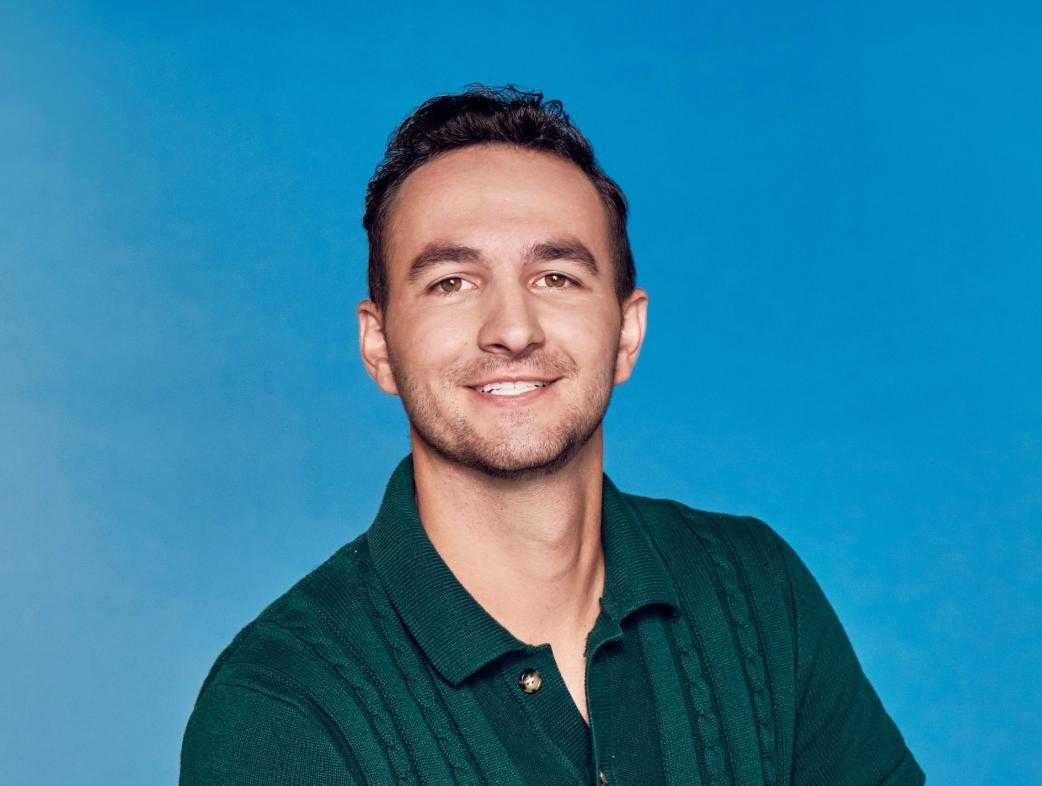
When it came to negotiating, they didn't just settle for anything. They definitely went to the bat for me.
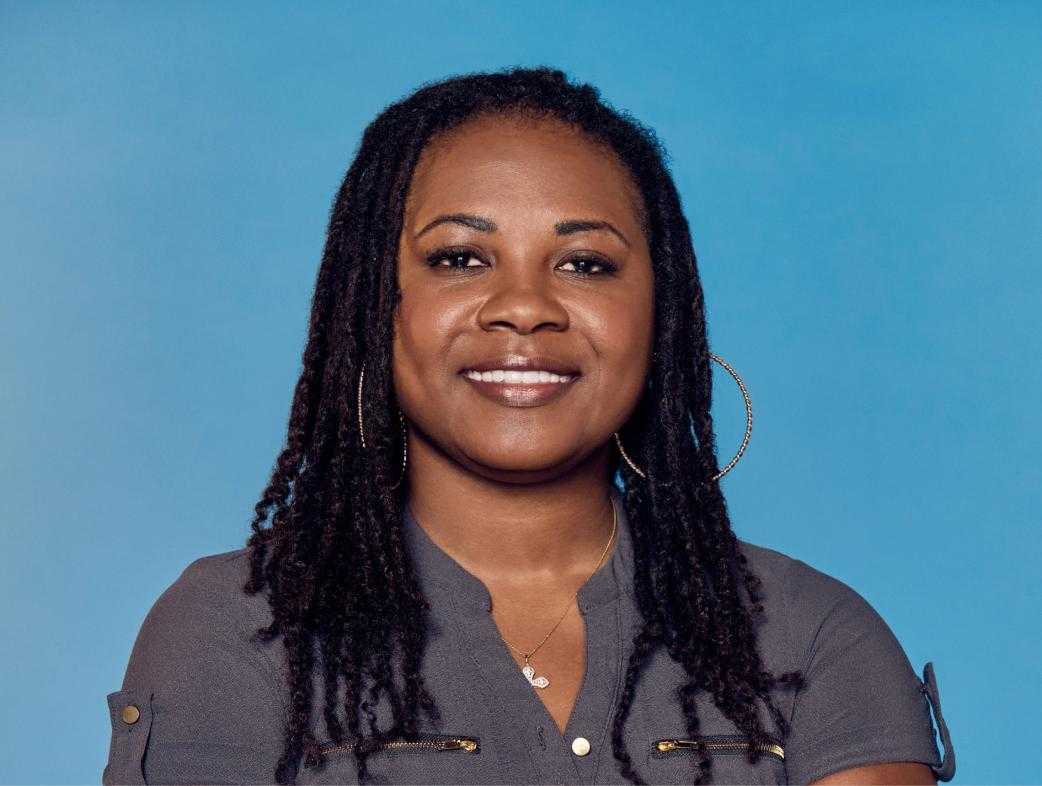

They took care of me, and now we're doing okay. Thank God that I went to Morgan & Morgan.
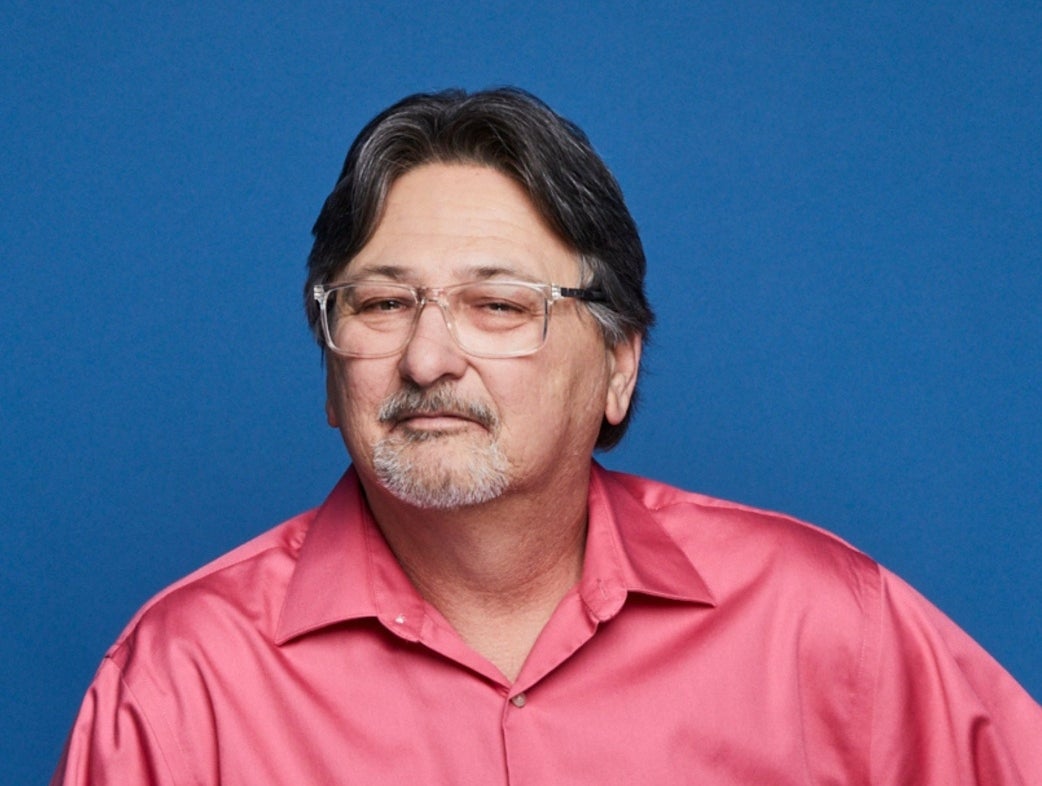
The company handled absolutely everything from start to finish.
Lashondra
Ray
Sean
Based on select nationwide reviews.
Sexual assault cases need three things.

Evidence of the alleged assault
An identifiable perpetrator or responsible party
Demonstrable harm
What should I do if I was treated by Reginald Archibald and believe I was sexually abused?
Your privacy, safety, and emotional well-being should come first. Consider speaking with a trusted therapist, counselor, medical provider, or victim advocate who understands childhood sexual trauma. Preserve anything that may help document your experience, including:
- Medical and billing records
- Appointment dates or approximate treatment years
- Research consent forms or study documents
- Letters or other communications from Rockefeller
- Photographs or references to photographs taken during treatment
- Prescription and hormone-treatment records
- Names of family members, doctors, researchers, or staff who may have relevant information
- Notes describing what occurred and how it affected you
Because the treatment may have occurred decades ago, you may not have complete records or remember every detail. That does not invalidate your experience. An attorney can investigate whether Rockefeller or another source still possesses relevant medical, research, or institutional records.
Why are survivors pursuing claims against Rockefeller University Hospital?
Reginald Archibald was a pediatric endocrinologist and researcher who treated children with growth and developmental concerns at Rockefeller University Hospital for decades.
Rockefeller later commissioned an investigation that concluded Archibald engaged in a widespread pattern of misconduct and sexually abused many children while providing medical care and treatment. The investigation also found that the hospital received questions, complaints, and other information concerning his conduct and that warning signs could have been recognized or pursued earlier.
Although Archibald is deceased, lawsuits have alleged that Rockefeller University Hospital may be responsible for failing to investigate warning signs, supervise Archibald adequately, protect vulnerable patients, or notify former patients sooner.
Can former patients file a Reginald Archibald sexual abuse lawsuit?
Former patients may have legal options depending on when and where the abuse occurred, their age at the time, whether they previously participated in a settlement, and which individuals or institutions may be legally responsible.
Archibald died in 2007 and was not criminally convicted in connection with the reported abuse. However, a criminal conviction is not required for every civil sexual abuse claim. A survivor may be able to pursue accountability from a hospital, university, research institution, employer, estate, or another party depending on the available evidence and applicable deadlines.
Potential claims may examine whether Rockefeller or another responsible party:
- Knew or should have known about inappropriate conduct
- Received complaints or warning signs but failed to respond appropriately
- Allowed Archibald to examine children without adequate supervision
- Failed to protect vulnerable pediatric patients and research participants
- Failed to maintain appropriate safeguards or consent procedures
- Delayed notifying former patients about credible abuse findings
- Improperly retained, handled, or failed to account for intimate photographs
Institutional liability is not automatic. An attorney can investigate what each party knew, when it knew it, and whether reasonable steps were taken to protect children.
What if the abuse happened decades ago?
Many former patients reportedly saw Archibald during the 1950s, 1960s, and 1970s. Survivors may have needed decades to understand that what happened was not legitimate medical treatment or to feel safe discussing it.
New York’s Child Victims Act expanded the time available for some survivors to file civil claims and created a temporary revival period for older claims. That special revival period has ended, however, and filing deadlines remain complicated and highly dependent on the individual circumstances. Factors that may affect a survivor’s options include:
- The survivor’s age
- When and where the abuse occurred
- Whether treatment occurred in New York or elsewhere
- When the survivor discovered certain injuries or institutional conduct
- Whether the survivor previously filed a claim
- Whether the survivor accepted compensation or signed a release
- Which individuals or institutions may be responsible
Do not assume that you have no options solely because the abuse occurred decades ago. An attorney can review the specific circumstances and determine whether a lawsuit or another potential avenue for recovery may remain available.
What types of compensation may be available in a Reginald Archibald sexual abuse claim?
No financial recovery can erase childhood sexual abuse, but a civil claim may provide resources for healing while helping survivors pursue accountability. Depending on the circumstances, compensation may be available for:
- Counseling, therapy, and psychiatric care
- Medical treatment related to the abuse
- Future mental health and medical expenses
- Pain and suffering
- Emotional distress and psychological trauma
- Lost income or diminished earning capacity
- Loss of enjoyment of life
- Relationship and intimacy difficulties
- Damage to self-esteem and personal identity
- Other long-term effects of the abuse
Additional damages may be available in certain cases when the evidence demonstrates especially reckless, malicious, or intentional misconduct.
