 Skip to main content



The Fee Is Free Unless You Win®. Fill out the form to get started


Verdicts & Settlements
Our results speak for themselves
Results may vary depending on your particular facts and legal circumstances.
We don’t just want to do well—we want our clients to get what they’re entitled to and the defendants to face real accountability.
View allThe attorneys featured above are licensed in Florida. For a full list of attorneys in your state please visit our attorney page. Results may vary depending on your particular facts and legal circumstances.
-
Morgan & Morgan received $120M for a 25-yr-old paralyzed by a vehicle. The trial focused on driver negligence and city responsibility.
Learn more$120 Million
verdict
Pre-Trial
Offer$20,000
-
Morgan & Morgan received $16.4M for a woman in a rear-end car accident case after original firm couldn't help. Our attorneys worked hard for a successful outcome, beating pre-trial offer of $7,000.
Learn more$16.4 Million
verdict
Pre-Trial Offer
$16,000
-
Morgan & Morgan attorneys Spencer Payne & Keith Mitnick received $12.35M for client suffering from nursing home abuse & neglect. No one should suffer harm.
Learn more$12.3 Million
verdict
Pre-Trial Offer
$500,000
-
Morgan & Morgan received a $7.8M car accidents verdict for our client, with a $100,000 pre-trial payout.
Learn more$7.8 Million
verdict
Pre-Trial Offer
$100,000
How it works
It's easy to get started.
The Fee Is Free Unless You Win®.
Results may vary depending on your particular facts and legal circumstances.
Step 1
Submit
your claimWith a free case evaluation, submitting your case is easy with Morgan & Morgan.
Step 2
We take
actionOur dedicated team gets to work investigating your claim.
Step 3
We fight
for youIf we take on the case, our team fights to get you the results you deserve.
Client success
stories that inspire and drive change
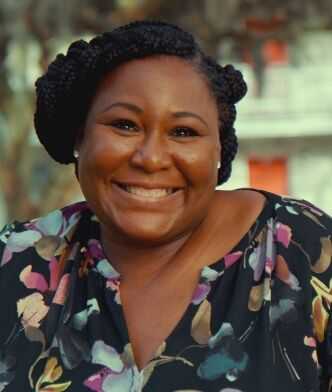
Explore over 55,000 5-star reviews and 800 client testimonials to discover why people trust Morgan & Morgan.
Results may vary depending on your particular facts and legal circumstances. Based on Select nationwide reviews






Practice Areas
Legal representation for a wide range of practice areas
We fight to get you what you deserve.
Results may vary depending on your particular facts and legal circumstances.
20 Billion +
recovered over 35 years
1,000+
attorneys at Morgan and Morgan
5,000
daily calls
700,000+
total verdicts and settlements
Resources & Insights
Let us help you get started
Discover the resources you need to succeed with Morgan & Morgan by browsing our resource center, educational videos, digital formats, and customer stories.
Explore
Stay up-to-date with the latest legal news & trends with our informative blog section. Read expert insights, case updates & more to stay ahead of the game.
Learn
Stay informed with our legal resources section, covering a wide range of topics from personal injury to employment law. Access helpful guides, articles & more.